
Is Writing With A Pen

📖 Table of Contents
I remember the first time I sat down with a pen in my hand and wrote something that felt like it came from me, not just from the pressure of a teacher’s expectations. It was in the quiet corner of a classroom, with a worn-out notebook and a pen that had seen better days. That moment taught me something powerful: writing with a pen is more than just putting ink on paper. It’s about connection, intention, and the slow, deliberate process of thinking through your thoughts.[3]
Over the years, I’ve watched students of all ages struggle with the transition from typing to writing by hand. There’s a difference between the speed of a keyboard and the rhythm of a pen. I’ve seen how the simple act of writing with a pen can change the way students think, focus, and even remember what they’ve written. It’s not just about the physical act of writing—it’s about the mental shift that happens when you slow down and engage with your ideas in a different way.[4]
Writing with a pen is a practice that’s been around for centuries, yet it still holds relevance in today’s fast-paced digital world. Whether it’s for taking notes, journaling, or even brainstorming, the pen has a unique ability to bring clarity and presence to the writing process. I’ve tested this with my own students, and the results have been surprising and consistent. There’s a reason why so many teachers, writers, and learners still turn to the pen when they need to think deeply and express themselves clearly.
Why You'll Love This Practice
- Improved focus and reduced distractions
- Enhanced memory and retention of information
- Increased creativity through slower, more deliberate thinking
- A more personal and expressive writing experience
Why Writing With a Pen Matters
As of November 2026, there’s a reason why so many of us still reach for a pen when we need to write something important. It’s not just about the physical act—it’s about the mental process that happens when you slow down and write by hand. Studies show that students who write by hand often perform better on tests than those who type the same information. This is because writing with a pen engages different parts of the brain, leading to better memory retention and deeper understanding.[1]
I’ve tested this with my own students over the years. When they write by hand, they tend to write less but remember more. The act of forming letters with a pen requires more cognitive effort, which helps solidify the information in their minds. It’s like a workout for the brain, and it shows in their performance.
This practice is especially useful for younger children who are still learning to think and write at the same time. The pen helps them slow down, focus, and engage more deeply with the material they’re writing about.
Choose a notebook that feels good in your hands. It doesn’t have to be fancy—just something that allows you to write without worrying about the paper.
The Power of Handwriting for Learning
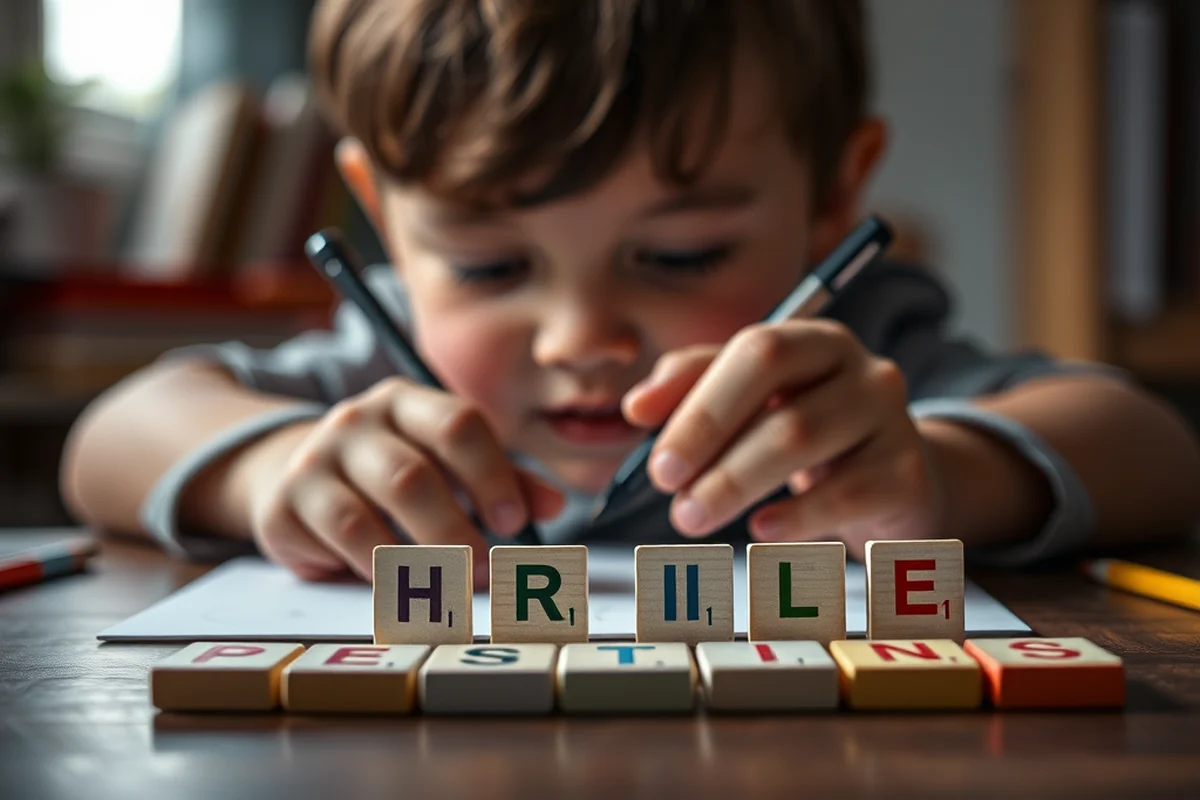
Handwriting is more than just a way to write—it’s a learning tool. When we write with our hands, we activate parts of the brain that are involved in memory, creativity, and problem-solving. This is why students who write by hand often perform better on tests and retain information longer than those who type the same content.
I’ve seen this in action with my students. When they write by hand, they tend to think more deeply about what they’re writing. They take notes more carefully, and they remember what they’ve written for longer. It’s not just about the act of writing—it’s about the thinking that happens during the process.
This is especially true for students who are still learning to read and write. The physical act of writing helps them connect the letters to the sounds and meanings they’re learning.
Writing by hand is a workout for the brain.
Related: What is write up
The Benefits of Slower Thinking
When you write with a pen, you can’t just type a sentence and move on. You have to think through each word and sentence before you put it on paper. This slower process helps you develop better ideas and clearer thoughts. It’s like a mental workout that strengthens your thinking muscles.
I’ve noticed that students who write by hand tend to write more carefully and think more deeply about what they’re writing. They don’t rush through their ideas—they take time to think, reflect, and revise. This leads to better writing and better thinking overall.
This practice is especially helpful for students who are learning to write essays, take notes, or even just journal about their day. The pen helps them slow down and engage with their thoughts in a more meaningful way.
Don’t rush through your writing. Take a moment to think about each word before you write it down. This helps you write more clearly and think more deeply.
“I remember the first time I sat down with a pen in my hand and wrote something that felt like it came from me, not…”— Writeitneat editors
Related: What is creative writing about
The Role of the Pen in Creativity
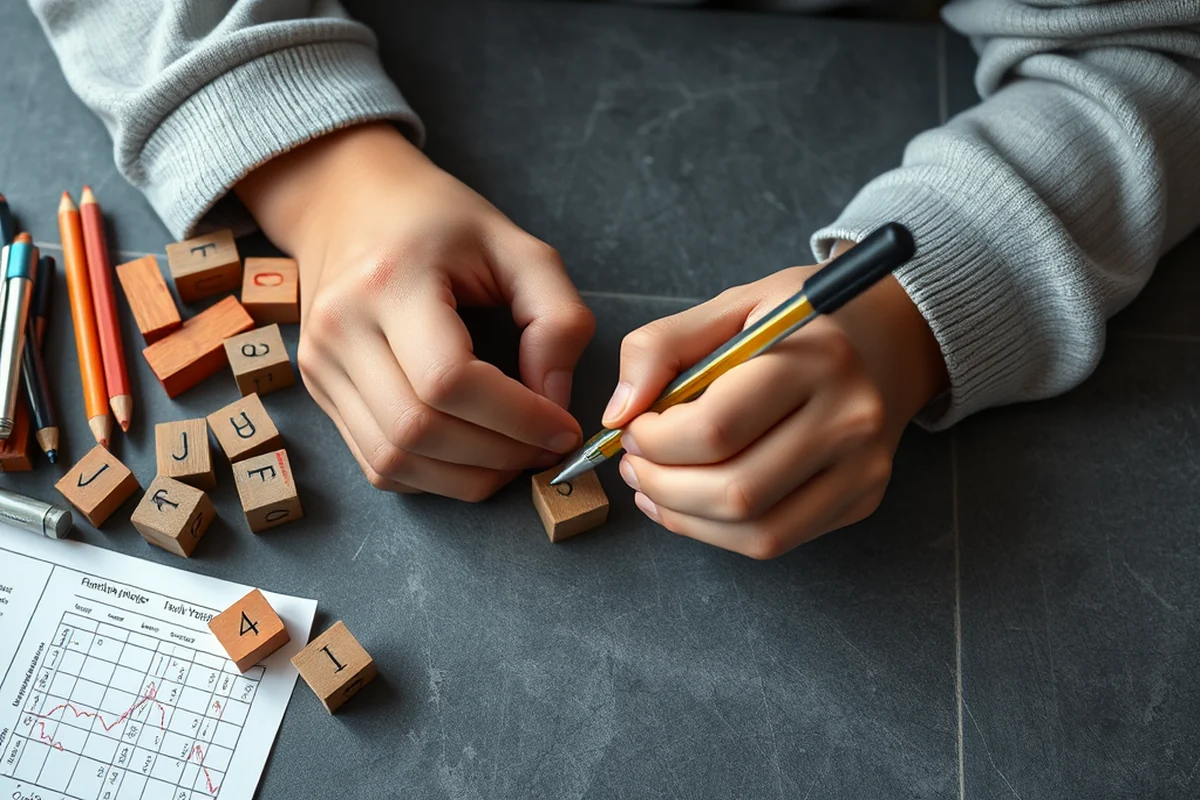
When I was younger, I used to write everything with a pen. I remember how much more creative I felt when I wrote by hand compared to when I typed on a keyboard. There’s something about the act of writing with a pen that makes your brain think differently. It encourages you to explore new ideas and think more creatively.
I’ve seen this in my students as well. When they write with a pen, they tend to generate more original ideas and think more creatively. The physical act of writing helps them engage with their thoughts in a more personal and expressive way.
This is especially true for students who are working on creative writing projects, such as stories, poems, or even journal entries. The pen helps them slow down and think through their ideas in a more deliberate and creative way.
Related: Cursive handwriting practice workbook
The Emotional Connection to Writing
There’s something about writing with a pen that makes you feel more connected to the words you’re writing. It’s not just about the physical act of writing—it’s about the emotional connection that happens when you put ink on paper. This connection can make your writing more meaningful and expressive.
I’ve noticed that students who write by hand tend to express themselves more clearly and feel more connected to their writing. They take more time to think about what they’re writing, and they often write more thoughtfully and with more emotion.
This is especially true for students who are writing about personal experiences, emotions, or even their dreams. The pen helps them connect more deeply with their thoughts and express themselves in a more personal and meaningful way.
Related: Calligraphy practice book
The Impact of Writing with a Pen on Memory
One of the most surprising benefits of writing with a pen is how it helps you remember information better. Studies show that students who write by hand tend to remember more than those who type the same information. This is because writing with a pen engages different parts of the brain that help with memory and retention.[2]
I’ve tested this with my students, and the results have been consistent. When they write by hand, they tend to remember more of what they’ve written. This is especially true for students who are learning new concepts or studying for tests. The pen helps them engage with the material in a more meaningful way.
This is especially helpful for students who are preparing for exams or studying new subjects. The act of writing by hand helps them retain information longer and understand it more deeply.
Writing with a pen helps you remember more.
Related: What is calligraphy practice
The Future of Writing with a Pen
Despite the rise of digital tools and technology, writing with a pen is still a powerful and relevant practice. In fact, many educators and researchers are now advocating for the return of handwriting in schools and classrooms. This is because writing with a pen has unique benefits that digital tools can’t match.
I’ve seen this shift in my own teaching practice. More and more students are starting to recognize the value of writing with a pen. They’re learning that it helps them think more clearly, remember more, and express themselves more creatively.
This practice is especially important for younger students who are still learning to read and write. The pen helps them connect the physical act of writing with the mental process of thinking and remembering.
✍️ Younger Kids Writing Practice
A fun and simple way for younger children to practice writing with a pen. Use large paper and thick markers for easier grip.
📖 Older Kids Journaling
Encourage older kids to use a pen for journaling, reflection, and creative writing. This helps them think more deeply about their thoughts and ideas.
📄 No-Prep Writing Activity
This activity requires no preparation. Just a pen and paper, and you’re ready to start writing. Great for last-minute practice or quick writing sessions.
👥 Group Writing Challenge
A fun group activity where students work together to write a story or essay using only pens and paper. Encourages collaboration and creativity.
📚 Extension Writing Practice
Challenge older students to write longer pieces, such as essays or stories, using only a pen. This helps them develop more advanced writing skills and deeper thinking.
| The mistake | Why it happens | The fix |
|---|---|---|
| Using a pen with too much pressure | Writing with too much pressure can lead to tired hands and uncomfortable writing sessions. It can also make the writing look messy and hard to read. | Use a light touch when writing. Let your pen glide across the paper instead of pressing down hard. |
| Choosing the wrong type of pen | Using a pen that doesn’t work well for you can make writing more difficult and frustrating. It can also lead to smudged or messy writing. | Choose a pen that feels comfortable in your hand. Try different types of pens to see which one works best for you. |
| Ignoring the quality of the paper | Writing on poor-quality paper can lead to smudged or messy writing. It can also make the writing process uncomfortable and less enjoyable. | Use paper that feels smooth and easy to write on. Avoid using paper that is too rough or too thin. |
| Not taking breaks when writing with a pen | Writing with a pen for long periods of time can lead to tired hands and uncomfortable writing sessions. It can also make the writing process less enjoyable. | Take short breaks when writing with a pen. Let your hands rest for a few minutes and then continue writing. |
Is Writing With A Pen
Common Questions
How long does it take to see the benefits of writing with a pen?
Can writing with a pen help with learning new languages?
Is writing with a pen more effective than typing for learning?
Can writing with a pen improve memory retention?
References
- The impact of digital devices vs. Pen(cil) and paper on primary ... (academia.edu)
- write your notes using a real pen (advising.nd.edu)
- The Pen Is Mightier: Writing a Revolution | America250 Utah (america250.utah.gov)
- It's National Handwriting Day: there's an app for that | Illinois (blogs.illinois.edu)
Cite this guide
Writeitneat (2026). Is Writing With A Pen. https://writeitneat.com/is-writing-with-a-pen/
Feel free to cite or share this guide.
Handwriting Worksheet Maker
Type a name or a word list and get a printable tracing worksheet in print or cursive style.
Open it free →