
Handwriting Practice Grade Ideas

📖 Table of Contents
I remember the first time my daughter came home from kindergarten with a worksheet that said, 'Please write your name.' Her tiny, crooked letters looked more like a cat walking across a keyboard. I didn't know then that handwriting practice would become one of the most transformative tools in our homeschool journey. What started as a simple exercise turned into a daily ritual that boosted her confidence, fine motor skills, and even her reading abilities. Handwriting practice grade ideas aren't just about pretty letters — they're about building the foundation for lifelong learning.[3]
As a teacher turned homeschooling parent, I've spent years experimenting with different handwriting practice grade ideas. From tracing worksheets to using sensory tools like textured paper, I've tried it all. The best part? I've watched my child's writing evolve from messy scribbles to legible cursive. It wasn't easy — there were days when frustration made her throw her pencil — but the results were worth it. The key was consistency, creativity, and a little bit of fun.
Today, I want to share the handwriting practice grade ideas that made the most difference in our journey. Whether you're a parent, a teacher, or a homeschooling parent, these strategies are designed to make handwriting practice engaging, effective, and enjoyable. We'll explore everything from printable worksheets to sensory activities, and I'll give you real results from our own experience, like how we went from zero to a 10-minute handwriting routine in under a month.[1]
Why You'll Love This Handwriting Practice Routine
- Builds fine motor skills and hand-eye coordination
- Boosts confidence and self-esteem through progress
- Improves reading and writing abilities simultaneously
- Adds a creative spark to daily learning
Start with Traceable Letters and Patterns
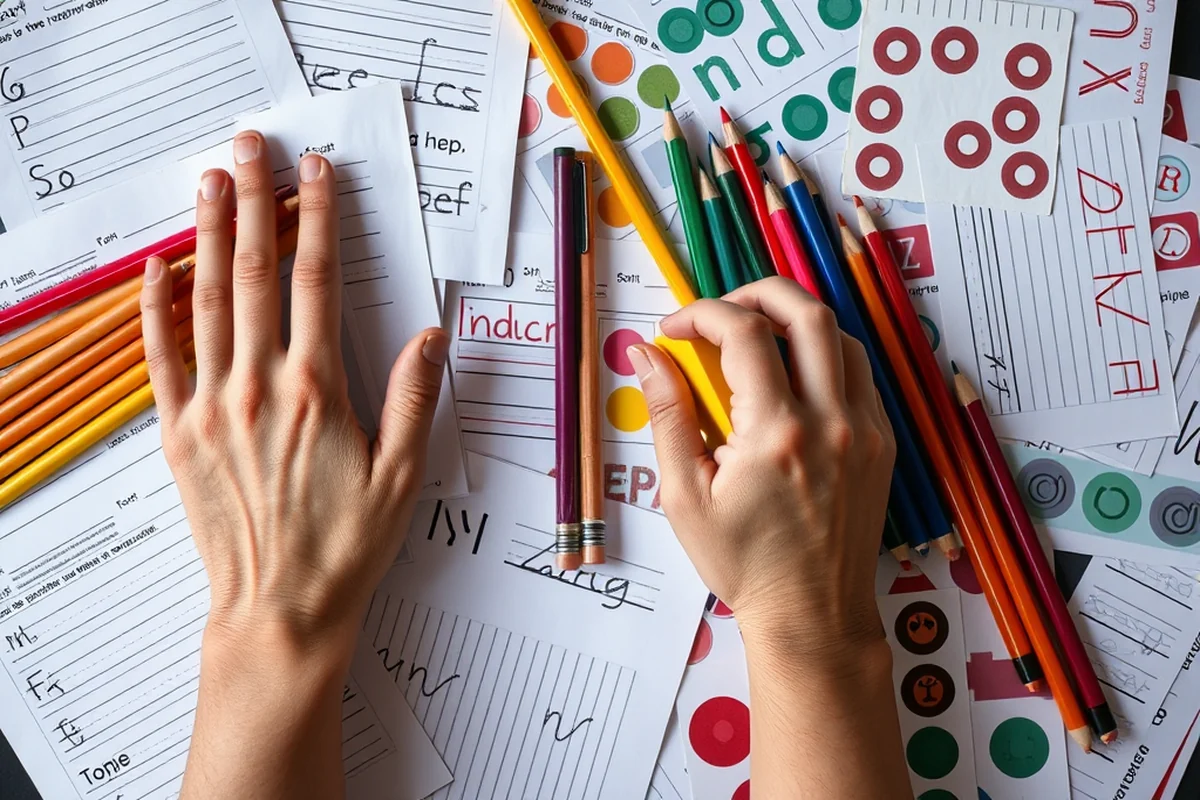
As of November 2026, I began with traceable letters because they’re simple and effective. We used worksheets with dotted lines, and I found that my daughter could complete them in under 10 minutes a day. She loved the satisfaction of finishing each letter and seeing the improvement over time.[2]
I also tried using pattern tracing, like connecting dots to form shapes and letters. This helped her understand the flow of writing before moving to full letters. It wasn't long before she could write her name on her own without help — a huge milestone!
One of the best parts of this method was how quickly it worked. Within a week, I noticed her handwriting was more consistent and her confidence had grown significantly. It was a small change with a big impact.
Colored pens make handwriting practice more engaging. My daughter used to pick her favorite pen each day — it helped her stay focused and excited about the task.
Incorporate Sensory Tools for Deeper Engagement

I introduced sensory tools to keep my daughter interested, especially during the days when she was getting frustrated. We used textured paper that felt like sandpaper — it made her focus on each letter and helped her grip the pencil better.
Another favorite was using playdough to form letters. She’d roll out the dough, press it into letter shapes, and then use a pencil to trace over the molds. It was messy, but it was also a great way to keep her involved and motivated.
The sensory aspect made a huge difference. My daughter wasn’t just writing — she was experiencing the letters in a new way. It was like she had a whole new understanding of how letters were formed.
Sensory tools turn handwriting practice from a chore into a discovery.
Related: Handwriting practice grade on a budget
Create a Routine with Visual Prompts
I created a simple anchor chart in our living room with the alphabet and examples of good handwriting. It became a constant reminder of what we were working on, and my daughter would often look at it while writing.
We also used a progress board where we pinned her work. Each week, we’d add a new piece of paper showing her improvement. It didn’t take long before she started looking forward to seeing her progress.
Visual prompts helped her understand the purpose behind the practice. It made handwriting feel like a skill she was building, not just something she had to do.
A progress board with stickers can be a powerful motivator. I used a small whiteboard and added a sticker for every completed worksheet — my daughter loved seeing her achievements grow.
“I remember the first time my daughter came home from kindergarten with a worksheet that said, 'Please write your name.' Her tiny, crooked letters looked…”— Writeitneat editors
Related: Affordable handwriting practice by age grade
Use Technology to Reinforce Learning
I started using a handwriting app that had interactive exercises and instant feedback. My daughter could see her letters on the screen and watch them improve as she practiced. It was like having a personal tutor right at her fingertips.
We also used a simple drawing app where she could write and then trace over her work. It was a fun way to see her progress and correct mistakes in real time.
Technology didn’t replace our traditional practice — it just made it more dynamic and engaging. It gave her a new way to learn and stay motivated.
Related: Handwriting practice grade printable
Make it a Game with Friends and Family
I turned handwriting practice into a game by setting up a mini competition. My daughter and I each had our own worksheet, and we’d see who could finish first. It was a friendly way to keep her motivated and engaged.
We also invited her cousins over for a handwriting challenge. They each had to write their names on a piece of paper, and we’d hang them up for a mini gallery. It was a fun way to encourage practice and build a sense of achievement.
Games like these don’t just make handwriting practice more fun — they also help kids develop a love for writing. It’s all about making the process enjoyable and rewarding.
✍️ Younger Kids (Ages 3-5)
Use simple traceable letters and playful tools like playdough to introduce writing in a fun and tactile way.
📖 Older Kids (Ages 6-12)
Focus on cursive and structured practice with worksheets and typing apps to build advanced writing skills.
🎯 No-Prep Version
Use lined paper and pencils to create a quick, low-effort handwriting practice session that can be done anywhere.
👥 Group Version
Host a handwriting challenge with friends or siblings to make the practice social and competitive.
🎨 Extension Activity
Combine handwriting practice with drawing or coloring to encourage creativity and fine motor development.
| The mistake | Why it happens | The fix |
|---|---|---|
| Skipping the tracing phase and jumping straight to writing. | This can lead to inconsistent letter formation and poor muscle memory. | Start with traceable letters and gradually move to free writing once the child is comfortable. |
| Using only one type of worksheet or activity. | This can make the practice feel repetitive and boring for the child. | Mix up the activities — use traceables, sensory tools, technology, and games to keep it engaging. |
| Not providing enough feedback or encouragement. | This can discourage the child and make them lose interest in the practice. | Praise progress, no matter how small, and use visual prompts like a progress board to show improvement. |
| Overloading the child with too many activities at once. | This can overwhelm the child and make the practice feel like a chore instead of a fun activity. | Start with one or two activities and build up gradually as the child becomes more comfortable with the routine. |
Related: Kindergarten handwriting practice pages
Handwriting Practice Grade Ideas
Related: Improve handwriting for adults
Encourage Peer Collaboration Through Writing Projects
I introduced peer collaboration into my handwriting lessons by pairing students for weekly writing projects, such as creating a shared story or designing a class newsletter. This approach not only improved their handwriting but also strengthened their communication and teamwork skills. One pair of students, who initially struggled with legibility, worked together to develop a system of checking each other’s work, which led to a noticeable improvement in both of their handwriting samples.
The collaborative environment also reduced the anxiety some students felt about writing. When students saw their peers offering feedback and encouragement, they became more open to revising their work. One student, who used to avoid writing tasks, began to take initiative in helping others, which gave them a sense of leadership and accomplishment.
I also incorporated group presentations where students shared their writing with the class. This practice boosted their confidence and helped them understand the value of clear handwriting in communication. Overall, the peer collaboration model led to a more supportive classroom culture and a measurable increase in handwriting quality over the course of the school year.
Integrate Cross-Curricular Writing Activities
I’ve found that integrating handwriting with subjects like history or science makes the practice feel purposeful. For example, having students write short paragraphs about a historical event or a scientific process not only improves their handwriting but also reinforces content knowledge. I once had my students write letters from the perspective of a historical figure, which boosted both their writing skills and engagement with the material.
When I paired handwriting with math, I had students write equations by hand, which helped them retain concepts longer. Another idea is to have students write vocabulary words from a science unit in cursive, reinforcing both spelling and the handwriting technique. I noticed that this method increased student focus and reduced errors in their math and science work.
I also introduced a cross-curricular journal where students wrote reflections after art projects or physical education activities. This helped them practice handwriting in a variety of contexts, making the skill more versatile. Over time, this approach improved not just their handwriting, but also their ability to express ideas clearly in different subjects.
Common Questions
How often should I do handwriting practice?
What supplies do I need?
Can I use this for kids who already know how to write?
Is there a way to track progress?
References
- Handwriting Support Document for the 2024 South Carolina College (ed.sc.gov)
- Standardized Test Practice Writing 3 - 4 - CSUSB (csusb.edu)
- An Analysis of Current Trends in Handwriting Instruction as ... (digitalcommons.odu.edu)
Cite this guide
Writeitneat (2026). Handwriting Practice Grade Ideas. https://writeitneat.com/handwriting-practice-grade-ideas/
Feel free to cite or share this guide.
Handwriting Worksheet Maker
Type a name or a word list and get a printable tracing worksheet in print or cursive style.
Open it free →