
What Is Drafting A Paper

📖 Table of Contents
- What Is Drafting A Paper, Really?
- The Difference Between Drafting and Final Writing
- Why Drafting Is Important for Students
- How to Start Drafting a Paper
- Common Mistakes When Drafting a Paper
- How to Improve Your Drafting Process
- The Role of Feedback in the Drafting Process
- Make It Your Way
- Frequently Asked Questions
I remember the first time I sat down to draft a paper for a college assignment. My hands shook with nerves, my mind was a blur of half-formed ideas, and the blank page stared back at me like a challenge. The word 'drafting' felt so foreign to me then — I didn't understand that it wasn't about perfection, but about getting thoughts onto the page. It was a revelation when I realized that drafting is the messy, imperfect first step that leads to clarity and structure.[1]
Drafting a paper is not the final product; it's the foundation upon which everything else is built. It's the stage where ideas are not polished, but raw and real. I've spent years working with students and educators, and what I've learned is that many people confuse drafting with writing. That's a mistake. Drafting is about exploration, about letting your thoughts spill out, unfiltered and free. It's the first step that leads to the second — and the third — and eventually, to the final piece.
Over the years, I've watched students transform from those who fear the blank page to those who embrace the chaos of the first draft. I've seen how drafting a paper can be the key to unlocking creativity, confidence, and even a sense of purpose in writing. For those who are still asking, 'What is drafting a paper,' the answer is simple: it's the process of putting your thoughts on paper without worrying about how perfect they are — it's about beginning, not finishing.
Why You'll Love This Process
- It gives you a clear starting point for your ideas, even if they're not perfect
- It helps you organize thoughts before you begin refining them
- It makes the writing process feel less overwhelming by breaking it into manageable steps
- It allows for creative freedom in the early stages of the writing process
What Is Drafting A Paper, Really?
As of November 2026, Drafting a paper is not about being perfect — it's about getting your thoughts down on paper. I've worked with students who thought they had to write a perfect first paragraph. That's not the case. Drafting is the initial step where you explore your ideas, and it's okay if they're not fully formed. Think of it as the brainstorming phase of writing, but on paper.
In my experience, the key to effective drafting is to let go of the need for order and structure. I once told a student to write down as many ideas as she could in ten minutes, even if they were messy. She came back with a page full of scribbles and half-sentences, but it was the start of a strong paper. That's the magic of drafting — it allows for creativity and exploration.
Another thing I've learned is that drafting a paper is not a one-time event. I've seen students who think they only get one chance to draft, but that's not how it works. You can and should draft multiple times, each time refining your ideas and moving them closer to clarity.
Before you begin drafting, jot down a few key ideas or topics you want to cover. This gives you a direction and helps you avoid getting lost in the chaos of the first draft.
The Difference Between Drafting and Final Writing
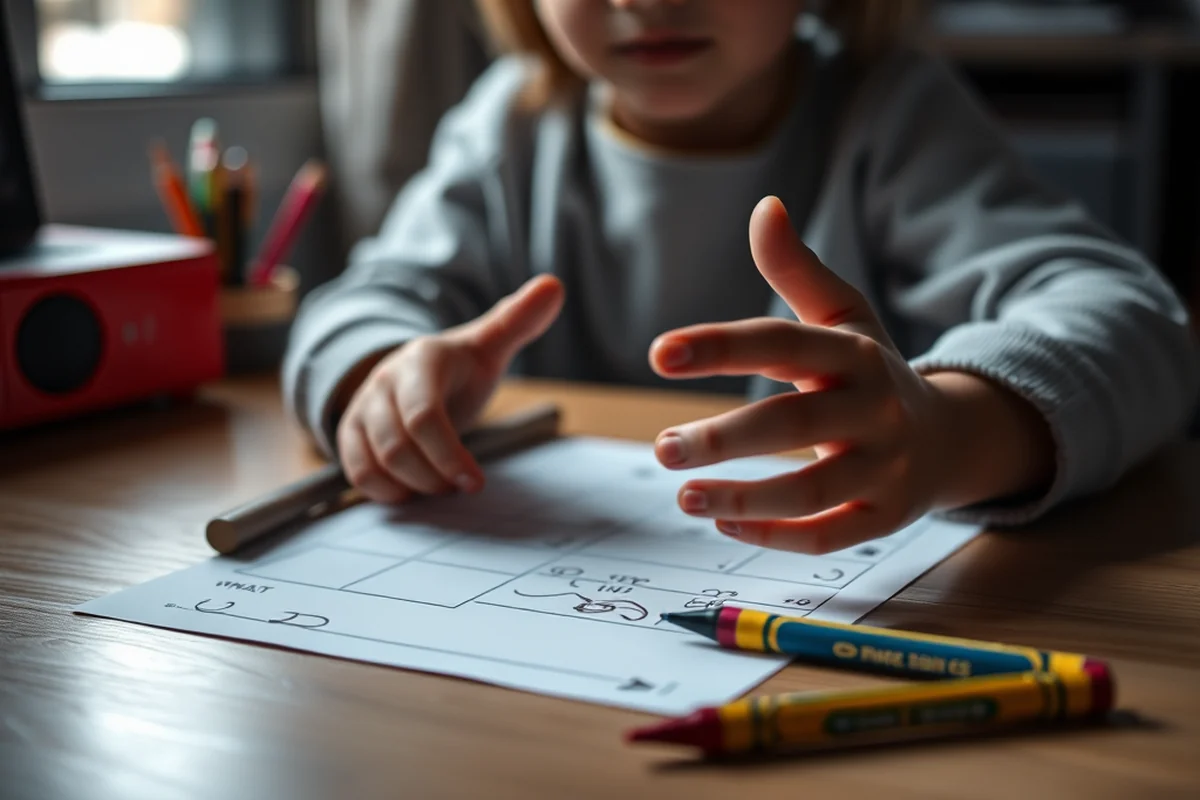
Many students confuse drafting with the final stage of writing. They think they have to get everything right on the first try. But that's not how it works. Drafting is where you get your ideas out, even if they're jumbled. Final writing is where you refine those ideas and make them clear, structured, and polished.
I've seen students who skip the drafting stage and try to write the final version right away. That's a mistake. Drafting is essential because it helps you organize your thoughts before you begin refining them. If you don't draft, you're like a painter who tries to paint without a sketch — it's possible, but it's harder and the result is less likely to be good.
Let me give you an example from my teaching experience. One student tried to write the final paper without drafting first. The result was all over the place — ideas jumped around, and there was no clear structure. It was a mess. After I explained the importance of drafting, he rewrote the paper, and it was dramatically better. That's the power of drafting.
Drafting is the sketch before the painting — it's the foundation of good writing.
Related: What is writing notes
Why Drafting Is Important for Students
Drafting is especially important for students because it allows them to work through their ideas without pressure. I've seen so many students who feel overwhelmed by the idea of writing a paper. They think they have to be perfect from the start. But that's not the case. Drafting gives them a safe space to explore their thoughts, even if they're not fully formed.
In my experience, students who skip the drafting stage often end up with disorganized papers that lack a clear structure. Drafting helps them organize their ideas and develop a logical flow before they begin writing the final version. It's like creating a map before you start your journey — it helps you avoid getting lost.
Another benefit of drafting is that it helps students identify gaps in their understanding. When I've worked with students, I've noticed that they often don't know what they're writing about until they start drafting. That's because drafting allows them to explore their ideas and see where they need more information or clarification.
Set a timer for 10–15 minutes and write freely without stopping. This helps you avoid getting stuck in the early stages of drafting and keeps the process moving forward.[2]
“I remember the first time I sat down to draft a paper for a college assignment.”— Writeitneat editors
Related: What is paperclip ai
How to Start Drafting a Paper
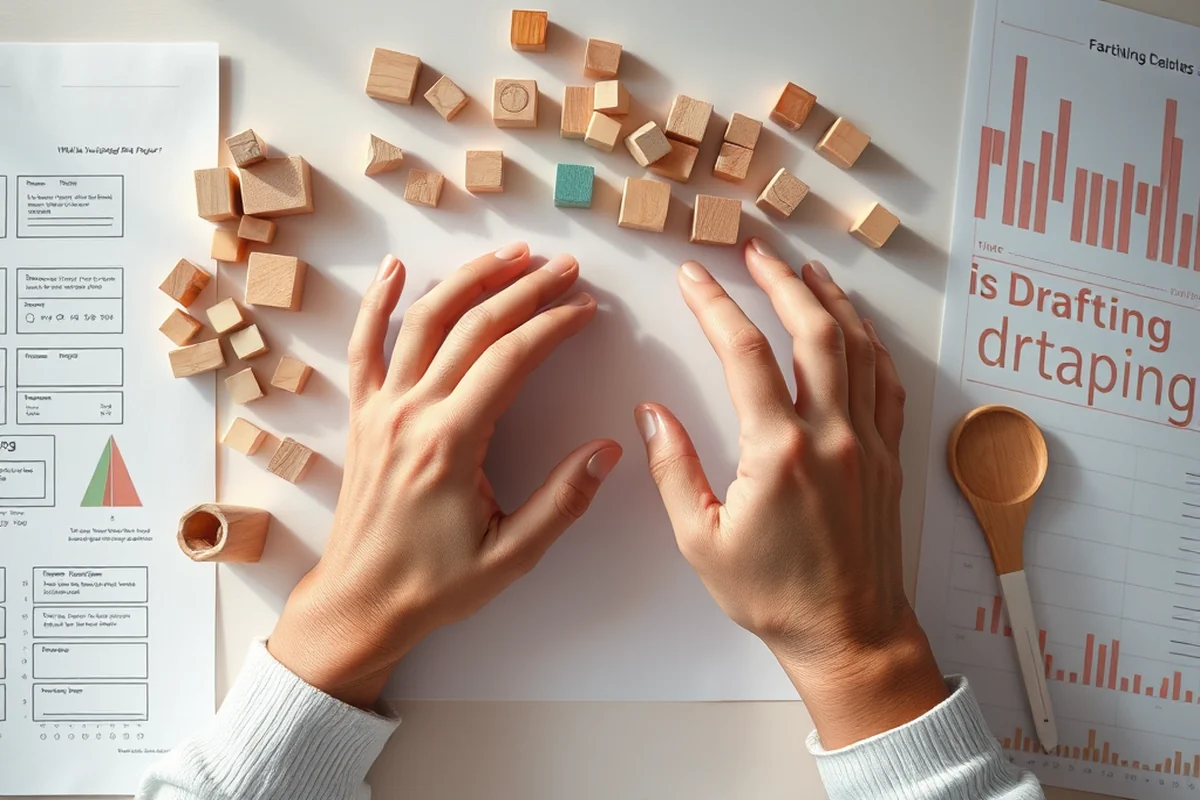
Starting to draft a paper can feel daunting, but it doesn't have to be. I've found that the best way to begin is to write down your main ideas, even if they're not in order. This helps you get your thoughts out and onto the page, which is the first step in the writing process.
I've worked with students who think they need to have a perfect outline before they start drafting. But that's not necessary. You can start with a rough outline or even just a list of ideas. The key is to get your thoughts out and then refine them later. This approach helps you avoid getting stuck and keeps the process moving forward.
Another tip I've learned is to write without stopping for the first 10–15 minutes. This helps you push past the initial block and get your ideas flowing. Once you've got a few ideas on the page, you can take a break and come back to refine them later. This method has worked well for me and for the students I've taught.
Related: What is ia writer
Common Mistakes When Drafting a Paper
One of the most common mistakes I see is skipping the drafting stage and trying to write the final version of the paper right away. That's a mistake because it skips the most important part of the writing process — exploring your ideas without pressure. I've seen students who tried to write the final version first and ended up with disorganized papers that lacked a clear structure.
Another common mistake is trying to be perfect from the start. Many students believe that their first draft has to be flawless. But that's not the case. The first draft is supposed to be messy and raw — it's about getting your ideas out, not about being perfect. I've worked with students who think they need to have everything figured out before they start writing, but that's not how it works.
A third mistake is not revising your ideas after the first draft. I've seen students who write their first draft and then stop, thinking that's the end of the process. But that's not the case. Drafting is just the beginning. You need to go back and refine your ideas, organize them, and make them clear. That's where the real work begins.
Related: Cursive writing practice sheets a z
How to Improve Your Drafting Process
Improving your drafting process starts with writing freely, without worrying about grammar or structure. I've found that the best way to get ideas out is to write without stopping for the first 10–15 minutes. This helps you push past the initial block and get your thoughts flowing. It's important to remember that the first draft is not supposed to be perfect — it's about exploration and discovery.[3]
Another way to improve your drafting process is to revise your ideas after the first draft. I've worked with students who think they're done after the first draft, but that's not the case. You need to go back and refine your ideas, organize them, and make them clear. This is where the real work begins. It's like taking a sketch and turning it into a finished painting — it takes time and effort.
Taking breaks is also an important part of improving your drafting process. I've noticed that students who take a break after writing their first draft often come back with fresh ideas and a clearer perspective. This helps them see gaps in their thinking and identify areas where they need more information or clarification. It's a simple but effective way to improve the quality of your drafts.
Drafting is not about being perfect — it's about being clear.
Related: Scribbles transcript request
The Role of Feedback in the Drafting Process
Feedback during the drafting process is invaluable because it helps you identify areas for improvement and provides new perspectives on your ideas. I've worked with students who thought feedback was only for the final version of their paper, but that's not the case. Feedback is useful at every stage of the writing process, especially during the drafting stage.
In my experience, students who receive feedback during the drafting process often produce better papers than those who wait until the final stage. That's because feedback helps them see gaps in their thinking and identify areas where they need more information or clarification. It also helps them understand how their ideas are being received by others.
Another benefit of feedback during the drafting process is that it helps students develop a clearer sense of audience and purpose. When I've worked with students, I've noticed that those who receive feedback early on are better able to tailor their writing to their audience. This makes their papers more effective and engaging.
✍️ Younger Kids Version
Simplified for early learners, focusing on basic idea generation and structure.
📚 Older Kids Version
More advanced version for older students, with a focus on organization and clarity.
⏱️ No-Prep Version
Quick and easy version that requires no setup or materials.
👥 Group Version
Designed for collaborative work, with activities that encourage teamwork and discussion.
🚀 Extension Version
An advanced version that includes additional challenges and opportunities for deeper exploration.
| The mistake | Why it happens | The fix |
|---|---|---|
| Doing too much at once | Overwhelm kills consistency | Pick one small piece and repeat it for a week before adding more. |
| Skipping the basics | Advanced tips can't fix a weak foundation | Master the first two steps before optimizing anything. |
What Is Drafting A Paper
Common Questions
What is the main purpose of drafting a paper?
Is it okay to write a messy first draft?
How long should I spend on the drafting stage?
Should I revise my draft immediately after writing it?
References
- Psychology of Intelligence Analysis - CIA (cia.gov)
- Healing Through the Written Word - PMC - NIH (pmc.ncbi.nlm.nih.gov)
- THE ROLE OF COMPUTERS IN WRITING PROCESS - ERIC (files.eric.ed.gov)
Cite this guide
Writeitneat (2026). What Is Drafting A Paper. https://writeitneat.com/what-is-drafting-a-paper/
Feel free to cite or share this guide.
Handwriting Worksheet Maker
Type a name or a word list and get a printable tracing worksheet in print or cursive style.
Open it free →