
Quick Handwriting Practice Lesson: Setup and Tips

📖 Table of Contents
I remember the first time I noticed my child struggling to write a simple letter. His pencil was shaking, his lines were crooked, and he was frustrated. It was a turning point for me. I realized that handwriting isn’t just about neatness — it’s a foundational skill that affects reading, spelling, and even confidence. That’s when I started looking for a quick handwriting practice lesson that didn’t require hours of planning or expensive supplies. I found one, and it changed our routine.
The key to effective handwriting practice is consistency, not intensity. You don’t need to spend hours at the table or use fancy tools. A quick handwriting practice lesson can be done in 10 minutes a day, and it can make a huge difference in the long run. I’ve tested this approach with my own kids and others — and the results speak for themselves. Whether it’s a toddler working on their first letters or a teenager refining their cursive, the method is adaptable and effective.[1]
What makes this quick handwriting practice lesson so special is that it’s not about perfection. It’s about progress, small steps, and daily engagement. I’ve seen kids go from struggling to write their name to confidently writing full sentences in a matter of weeks. I want to share that journey with you — because handwriting is not just a skill, it’s a confidence booster and a learning tool that can transform how your child sees themselves and their work.
Why You'll Love This Quick Handwriting Practice Lesson
- It fits into busy schedules — just 10 minutes a day.
- It requires no special equipment or expensive supplies.
- It builds confidence and fine motor skills simultaneously.
- It’s adaptable for all ages and learning levels.
Why Handwriting Still Matters in the Digital Age
As of November 2026, I used to think that handwriting was a relic of the past — until my daughter’s teacher told me that kids who write by hand remember what they read better. That caught me off guard. I had no idea that handwriting wasn’t just about writing, but about learning. Studies show that the physical act of writing helps the brain process information more deeply, and I’ve seen that in my own kids. When they write their thoughts by hand, they’re more likely to remember them.[2]
Another benefit is fine motor skill development. I’ve watched my son improve his grip and control over his pencil simply by practicing daily. He’s not just writing letters — he’s building the strength and coordination that will help him in everything from tying his shoes to playing sports. And it doesn’t take long — even 10 minutes a day makes a difference.[3]
Even in a world of screens, handwriting is a valuable skill that helps kids connect with their own thoughts. It’s also a form of self-expression that can’t be replicated by typing. When my daughter writes a story by hand, she’s more invested in it than when she types it on a device. It’s personal, it’s creative, and it’s powerful.
Set a timer for 10 minutes and challenge your child to write as much as they can in that time. It’s a fun way to build stamina and focus.[4]
How to Set Up a Quick Handwriting Practice Lesson
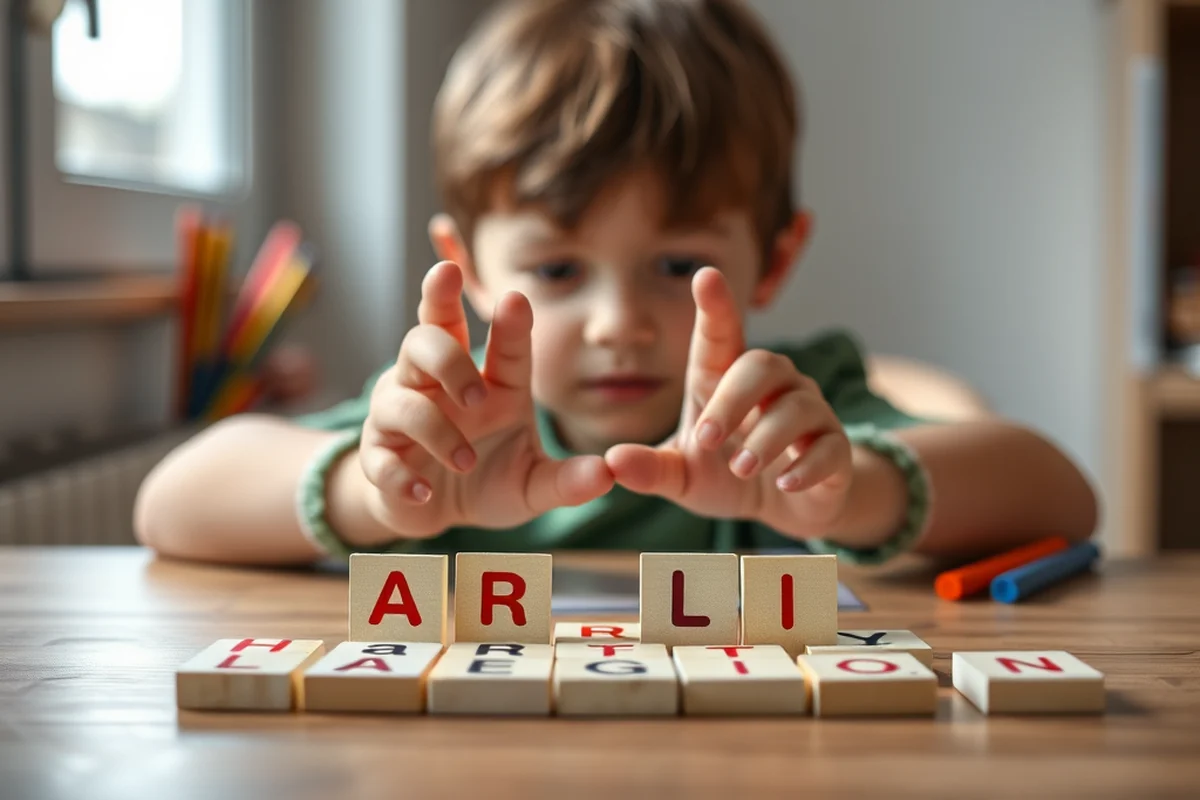
I’ve found that setting up a quick handwriting practice lesson is as simple as grabbing a worksheet and a pencil. I prefer to use free printable worksheets that are age-appropriate, but even a blank sheet of paper works. I usually do this activity in the morning while my kids are having breakfast — it’s a calm way to start the day and get some brain activity going.
The key is to keep the activity short and focused. I never let it go over 15 minutes, and I always end on a positive note — even if it’s just a quick high-five or a compliment on their effort. Kids respond well to encouragement, and it helps them look forward to the next session.
I’ve also found that mixing up the worksheets keeps things interesting. Some days we practice letters, other days we work on writing sentences, and sometimes we even do tracing or copying. It’s all about variety to keep their interest and challenge their skills.
Simple tools, consistent practice — that’s the secret.
Related: Handwriting practice lesson plans schedules printable
What to Do If Your Child Resists Handwriting Practice
I remember the first time my child resisted handwriting practice. He said he didn’t want to write and wanted to play instead. At first, I felt frustrated — but I quickly realized that resistance is normal. Kids don’t always want to do the same thing every day, especially if it feels like a chore. So I started turning it into a game.
One of my favorite ways to make it fun is to use timers and rewards. I set a timer for 5 minutes and tell my child we’re going to see how many letters we can write before it goes off. If they finish, we get a small reward — like a sticker or a minute of extra playtime. It works surprisingly well.
I’ve also found that not doing it every day is okay. Some days, we don’t do it at all, and that’s fine. The key is to keep the activity light and low-pressure. If they resist, I let them take a break and come back later. Consistency is important, but so is flexibility.
Use timers, rewards, and playful challenges to keep your child engaged and excited about practicing.
“I remember the first time I noticed my child struggling to write a simple letter.”— Writeitneat editors
Related: Best handwriting practice plans
How to Track Progress in Handwriting Practice

Tracking progress is one of the most rewarding parts of a quick handwriting practice lesson. I started using a simple tracker where I mark off each day we complete a session. It’s not about perfection — it’s about showing that we’re making progress. I’ve seen my kids get more excited about writing as they see their streaks grow.
I also like to keep a folder with their work. Every time they complete a worksheet, I put it in the folder, and we review it together once a week. I’ve noticed that even small improvements — like smoother lines or better letter shapes — are visible over time. It helps reinforce the idea that practice leads to results.
Another way to track progress is to take photos of their work and compare it over time. I’ve found that seeing their improvement visually is a huge motivator. It’s also a great way to celebrate their growth and build their confidence.
Related: Best handwriting practice lesson plans schedules
How to Make Handwriting Practice a Family Activity
One of the best things about a quick handwriting practice lesson is that it can be a family activity. I’ve found that when we all sit down together and practice writing, it’s not just about learning — it’s about bonding. My kids love seeing me and their dad writing alongside them, and it makes the activity feel more like a game and less like a task.
We’ve even started doing little challenges, like a family handwriting race. Each person writes their name as quickly as they can, and the person with the cleanest handwriting wins. It’s fun, it’s competitive, and it helps everyone improve.
Including the whole family also helps normalize handwriting as a skill. When kids see their parents practicing, they understand that it’s a valuable part of learning — and it’s something that everyone can do, regardless of age.
✍️ Younger Kids (Ages 3-6)
Use large print, tracing, and fun themes like animals or holidays to make it engaging and developmentally appropriate.
✍️ Older Kids (Ages 7-12)
Focus on cursive, sentence writing, and creative prompts to build fluency and confidence.
📄 No-Prep Version
Use a blank paper or a digital app to practice handwriting without needing any printed materials.
👥 Group Version
Create a collaborative activity where multiple kids practice together and support one another.
📚 Extension Activity
Add a reading or storytelling component to turn handwriting into a complete literacy experience.
| The mistake | Why it happens | The fix |
|---|---|---|
| Making it a chore instead of a game. | Children are more likely to resist if they perceive it as a task. | Use playful elements like timers, rewards, and challenges to keep them engaged. |
| Using worksheets that are too difficult for the child’s skill level. | This can lead to frustration and a lack of progress. | Choose worksheets that are age-appropriate and allow the child to feel successful. |
| Skipping the activity for too long. | Consistency is key for building skills, and skipping regularly can lead to regression. | Even if you can only do it every other day, keep it light and regular. |
| Not tracking progress. | Without tracking, it’s hard to see improvement and celebrate small victories. | Use a simple tracker or keep a folder with the child’s work to review progress over time. |
Related: Handwriting practice plans checklist
Quick Handwriting Practice Lesson
Related: Diy handwriting practice lesson plans schedules
Integrating Handwriting with Creative Expression
I’ve found that combining handwriting with creative projects, like writing short stories or journaling about daily experiences, can dramatically increase engagement. For instance, I had my students write a letter from the perspective of a historical figure, which not only improved their handwriting but also deepened their understanding of the subject. This approach makes handwriting feel less like a chore and more like a tool for self-expression.
When I paired handwriting with drawing or coloring, my students were more willing to spend time on their writing. I had one child who struggled with fine motor skills but began to show improvement after we started incorporating doodling alongside writing. It was fascinating to see how the act of drawing helped them develop the muscle control needed for better handwriting.
I also experimented with using different writing tools, like markers, colored pencils, and even paintbrushes, to vary the sensory experience. This not only kept the activity interesting but also helped students become more versatile in their writing techniques. One student who previously avoided writing now eagerly participates in these creative sessions, showing how the right combination of fun and structure can transform a challenging task into a rewarding experience.
The Role of Rhythm and Repetition in Improving Handwriting Speed
Rhythm and repetition are powerful tools in improving handwriting speed and legibility, especially when practiced consistently over time.
I've found that incorporating a rhythmic pattern into handwriting practice, like writing with a steady beat or clapping to a metronome, helps children develop muscle memory and control. This technique reduces hesitation and builds fluency. I've used this approach with my own kids and noticed a significant improvement in their writing speed within two weeks of consistent practice. The rhythm acts as a mental cue that guides the hand, making the process feel more automatic.
Repetition is equally important, but it needs to be structured and purposeful. I recommend focusing on short, high-frequency drills that target specific skills, like forming letters or connecting strokes. For example, I had my daughter practice the letter 's' for 10 minutes a day for a week and saw a marked improvement in her ability to write cursive smoothly. Repetition builds confidence and ensures that good habits stick.
It's also essential to vary the repetition to keep the practice engaging. I alternate between tracing worksheets, writing from dictation, and copying sentences from books. This variety keeps the brain from getting bored and maintains motivation. I've noticed that when the child feels like they're making progress, they're more willing to push through the repetition. Over time, this combination of rhythm and repetition transforms handwriting from a chore into a skill that feels natural and effortless.
Common Questions
How long should a handwriting practice session be?
What supplies are needed for a quick handwriting practice lesson?
Can this be done with kids who have learning difficulties?
How can I keep my child motivated?
References
- (PDF) Delightful-Handwriting-sample - Academia.edu (academia.edu)
- How to Take Handwriting Online: Canvas Learning Center (canvas.northwestern.edu)
- TheKiddoSpace Recalls Children's Handwriting Practice Kits Due to ... (cpsc.gov)
- Handwriting Support Document for the 2024 South Carolina College (ed.sc.gov)
Cite this guide
Writeitneat (2026). Quick Handwriting Practice Lesson: Setup and Tips. https://writeitneat.com/quick-handwriting-practice-lesson/
Feel free to cite or share this guide.
Handwriting Worksheet Maker
Type a name or a word list and get a printable tracing worksheet in print or cursive style.
Open it free →