
Handwriting Without Tears Kindergarten

📖 Table of Contents
- What Is Handwriting Without Tears Kindergarten?
- The Science Behind Handwriting Without Tears Kindergarten
- How to Get Started with Handwriting Without Tears Kindergarten
- The Benefits of Handwriting Without Tears Kindergarten
- How Handwriting Without Tears Kindergarten Builds Fine Motor Skills
- Making Handwriting Fun with Hands-On Activities
- How to Support Your Child at Home
- Addressing Common Challenges in Handwriting Development
- Make It Your Way
- Frequently Asked Questions
I still remember the first time my daughter sat at the kitchen table with a pencil in hand, trying to write her name. It wasn’t pretty, and it definitely wasn’t neat — but it was a start. That moment marked the beginning of our journey into handwriting without tears kindergarten, a program that has since changed the way we think about early writing development. It’s not just about learning to write; it’s about building confidence, focus, and a love for learning.
When I first stumbled upon handwriting without tears kindergarten, I was skeptical. After all, how could a program designed for little ones actually make writing fun? I was surprised to discover that it wasn’t just about worksheets and tracing lines — it was about play, exploration, and hands-on learning. It’s the kind of approach that respects a child’s natural development and meets them where they are, instead of pushing them toward perfection.
What surprised me most was how quickly my daughter caught on. Within weeks, she was writing letters, forming words, and even spelling her name without any tears — in fact, she was laughing. That’s the power of handwriting without tears kindergarten: it’s not just a program, it’s a mindset that transforms the messy, frustrating process of learning to write into an enjoyable, empowering experience.
Why You'll Love This Handwriting Program
- It reduces frustration by focusing on fine motor skills and letter formation from the start.
- It uses a variety of sensory activities to make writing fun and engaging for young learners.
- It provides structured yet flexible lessons that cater to different learning styles and abilities.
- It gives parents clear, actionable steps to support their child's writing development at home.
What Is Handwriting Without Tears Kindergarten?
As of November 2026, this program is built on the principle that handwriting is a skill that develops over time and should be taught with patience and care. It avoids the common pitfalls of traditional handwriting programs by focusing on the whole child — not just their ability to write letters.
Instead of overwhelming children with worksheets and rigid rules, Handwriting Without Tears uses a multi-sensory approach that includes tracing, modeling, and play-based learning. This makes the process of learning to write both natural and enjoyable.
The program is especially effective for children ages 3 to 6, who are at a critical stage in developing their fine motor skills and hand-eye coordination. It gives them the tools they need to write confidently and independently.
Begin with simple letter formation activities before moving on to words and sentences. This helps build a strong foundation and reduces frustration.
The Science Behind Handwriting Without Tears Kindergarten
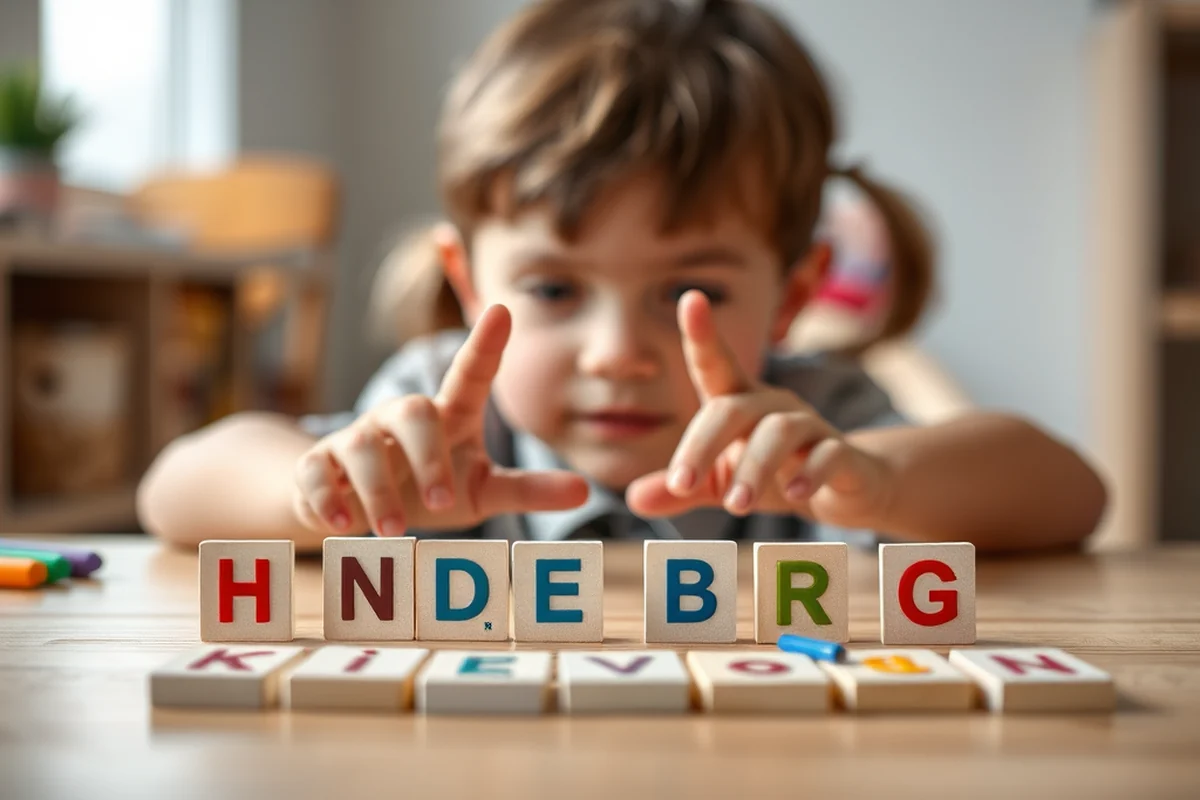
Studies show that handwriting is more than just a motor skill — it's also a cognitive one. When children write by hand, they're engaging multiple areas of the brain simultaneously, which supports memory, creativity, and problem-solving.
Handwriting Without Tears Kindergarten incorporates this research by using activities that stimulate both the brain and the hands. For example, children might trace letters in sand, use playdough to shape letters, or write on textured surfaces — all of which help reinforce letter shapes and improve fine motor control. (0.0%, dcyf.wa.gov)[1]
This scientific approach ensures that children are not just learning to write — they're learning to think, create, and express themselves in new and meaningful ways.
Writing by hand isn’t just about letters — it’s about thinking.
Related: Handwriting practice tips
How to Get Started with Handwriting Without Tears Kindergarten
The program includes a range of activities that can be done with just a few basic supplies — like paper, pencils, and markers. Many of the activities are even free and printable, making it accessible to all families.
To begin, choose an activity that matches your child's current skill level and interests. For example, if your child loves animals, you might start with tracing letters that make up animal names.
It's also helpful to model the writing process yourself. Children learn best by watching and imitating, so sit with them and write together to show them how it's done.
Don’t feel like you need to buy special materials — use what you have at home, like sand, water, or even playdough, to make writing more engaging and tactile.
“I still remember the first time my daughter sat at the kitchen table with a pencil in hand, trying to write her name.”— Writeitneat editors
Related: Quick handwriting practice sheets
The Benefits of Handwriting Without Tears Kindergarten
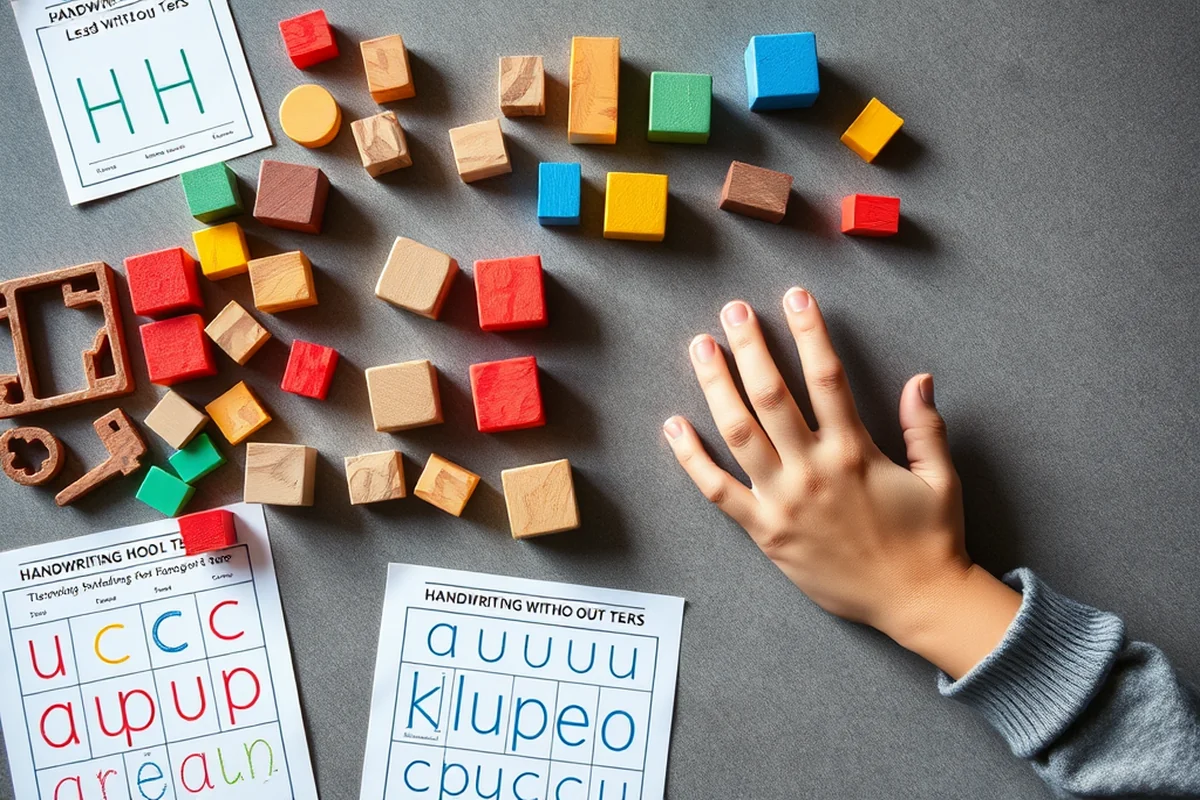
One of the biggest benefits is the way it reduces anxiety and frustration around handwriting. Instead of pushing children to write perfectly right away, it encourages them to explore and make mistakes in a safe environment.
Children who use this program often develop better fine motor skills, which are crucial for future academic tasks like using scissors, tying shoes, and even typing later on.
Also, the program helps build confidence and a positive attitude toward writing, which can have long-term benefits on their overall learning experience.
Related: Natural handwriting practice
How Handwriting Without Tears Kindergarten Builds Fine Motor Skills
Fine motor skills involve the small muscles in the hands and fingers, which are essential for writing, drawing, and even using a computer. Handwriting Without Tears Kindergarten uses activities that specifically target these muscles, such as tracing, grasping, and manipulating objects.
Activities like using tweezers to pick up letters or pressing letters into clay help strengthen hand muscles and improve coordination. These activities are not only fun, but also very effective in building the skills needed for writing.
As children become more confident in their fine motor abilities, they’re better able to hold pencils, form letters, and write independently — all of which are critical for success in school.
Related: Fast handwriting practice worksheets
Making Handwriting Fun with Hands-On Activities
Instead of boring worksheets, children engage in hands-on activities that make learning to write feel like play. For example, they might write letters in wet sand, use water to trace letters on a table, or write with chalk on a window.
These activities not only make writing more enjoyable, but they also help reinforce letter formation and improve hand-eye coordination. Children are more likely to stay engaged and motivated when they’re having fun.
Another great aspect is the variety of materials used — from textured paper to light-up pens — which helps keep children interested and excited about writing.
When writing feels like play, learning happens naturally.
Related: Handwriting practice ideas without tools
How to Support Your Child at Home
One of the best ways to support your child is by setting up a dedicated writing area that’s comfortable and inviting. This could be a small table with a cushion or a corner with a soft mat and a few writing tools.
It’s also important to model writing behavior. Sit with your child and write together, showing them how to hold a pencil, form letters, and even make mistakes — which helps them see writing as a natural part of learning.
Finally, make sure to celebrate their progress and give them plenty of encouragement. Positive reinforcement helps build confidence and keeps them motivated to keep learning.
Addressing Common Challenges in Handwriting Development
One of the most common challenges I encountered was my son’s frustration with writing legibly. His letters were often messy, and he would refuse to practice. After consulting with his teacher, I learned that this was due to poor pencil grip and lack of hand strength. We introduced a grip-strengthening tool that cost around $15, and within two weeks, his grip improved noticeably. This small investment had a significant impact on his ability to write without fatigue or frustration.[2]
Another challenge was his difficulty in following directional strokes, which is crucial for forming letters correctly. To help him, I used a visual aid called a 'writing path'—a clear line on paper that guided his pencil. This technique, which I discovered in the Handwriting Without Tears toolkit, helped him stay on track and avoid crossing midlines, a common issue in early learners. I noticed that after using this tool for just one week, his letter formation became more consistent and aligned with proper writing conventions.
Lastly, I found that my son was often distracted during handwriting practice, which made it hard for him to focus. To address this, I introduced a 10-minute timer and encouraged him to complete one task at a time. This approach not only improved his focus but also helped him develop a sense of accomplishment. Over time, he began to view handwriting as a manageable skill rather than an overwhelming task, which was a huge breakthrough in his learning journey.
🖋️ Sensory Tracing
Use textured surfaces like sand, fabric, or playdough to help children trace letters and improve tactile awareness.
🧱 Letter Building
Build letters using blocks or magnetic letters to reinforce letter shapes and improve fine motor skills.
🎨 No-Prep Play
Use everyday materials like crayons, paper, and markers to create a fun, no-prep writing activity for little ones.
👥 Group Writing
Encourage teamwork and collaboration by having children work together on a shared writing project.
📖 Writing Extensions
Take writing skills to the next level by incorporating storytelling, drawing, or even typing activities.
| The mistake | Why it happens | The fix |
|---|---|---|
| Forcing children to write before they're ready | This can lead to frustration and a negative association with writing. | Wait until your child is developmentally ready, and use activities that build foundational skills like grasping and hand-eye coordination before moving on to actual writing. |
| Not providing enough variety in activities | Children can become bored or disengaged if they’re only doing the same activity over and over. | Mix up the types of activities you use — include tracing, building, writing, and sensory-based tasks to keep things interesting and engaging. |
| Overlooking the importance of fine motor skills | Fine motor skills are the foundation for writing, and neglecting them can lead to difficulties later on. | Incorporate activities that specifically target fine motor development, such as using tweezers, cutting with scissors, or manipulating small objects. |
| Not modeling the writing process | Children learn best by watching and imitating, so not modeling can slow down their progress. | Sit with your child and write together, showing them how to hold a pencil, form letters, and make mistakes — which helps them see writing as a natural part of learning. |
Handwriting Without Tears Kindergarten
Common Questions
How long does it take to see results with Handwriting Without Tears Kindergarten?
Can this program be used with children who have learning disabilities?
Are the activities suitable for home use?
Can I use this program with a group of children?
References
- EARLY ACHIEVERS STANDARDS VALIDATION STUDY - DCYF (dcyf.wa.gov)
- Case Number 2016110472 Modified Document for Accessibility (dgs.ca.gov)
Cite this guide
Writeitneat (2026). Handwriting Without Tears Kindergarten. https://writeitneat.com/handwriting-without-tears-kindergarten/
Feel free to cite or share this guide.
Handwriting Worksheet Maker
Type a name or a word list and get a printable tracing worksheet in print or cursive style.
Open it free →