
Quick Handwriting Practice By Age Grade

📖 Table of Contents
I remember the first time my daughter’s teacher asked me to help her with her handwriting. She was in second grade and had trouble forming letters consistently. I sat with her for 20 minutes, but it felt like a waste of time. The worksheet was too long, and she got frustrated halfway through. I realized that handwriting practice needed to be quick, engaging, and tailored to her age. That’s when I started searching for quick handwriting practice by age grade — and found a way to make it work for both of us.[1]
Handwriting is a skill that doesn’t just fade with age. In fact, studies show that even as kids grow older, consistent and age-appropriate handwriting practice can significantly improve their academic performance. As a parent who tried various methods, I know that the key is finding quick handwriting practice by age grade that fits into a busy schedule without overwhelming a child. This article is a culmination of what I learned, tested, and adapted over the years to make handwriting practice both fun and effective.[2]
Whether your child is a three-year-old just learning to grip a pencil or a high school student refining their cursive, there’s a tailored approach that can work. I’ve compiled a list of methods that take just 10 to 15 minutes per session and are designed for specific age groups. This isn’t about making a child sit for hours at a table — it’s about incorporating quick handwriting practice by age grade into daily routines, making the process both manageable and meaningful.[3]
Why You'll Love This Quick Handwriting Practice
- Tailored to specific developmental stages for maximum effectiveness
- Flexible enough to fit into even the busiest schedules
- Engaging and fun, reducing frustration and increasing consistency
- Supports both fine motor skills and academic writing abilities
Why Age-Appropriate Practice Matters
As of October 2026, Children aged 3 to 6 are still developing their fine motor skills and hand-eye coordination. A quick handwriting practice by age grade should involve tracing, drawing, and using large motor movements. At this stage, activities like using playdough to form letters or scribbling with fat crayons are more effective than traditional worksheets.
I tried a simple activity with my daughter where she used a fat crayon to trace letters on a large piece of paper. It took just 10 minutes, and she was able to form letters she couldn’t manage with a regular pencil. This method worked because it was tailored for her developmental stage and didn’t overwhelm her.
The key here is to recognize that each child’s brain develops at its own pace. Quick handwriting practice by age grade doesn’t mean rushing them — it means meeting them where they are and building from there.
Thick crayons are easier for small hands to grip and control. I found that using them reduced frustration and improved letter formation in my daughter’s early handwriting practice.
Simple Tricks for Ages 7-9
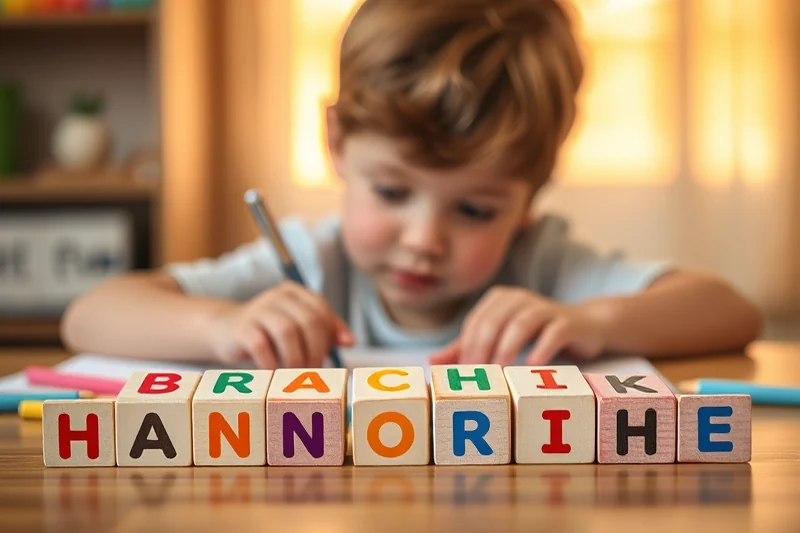
At this age, kids can hold a pencil properly and can benefit from more structured handwriting practice. I found that using lined paper with light, spaced lines helps them focus on letter height and spacing. I also started incorporating short dictation exercises — telling them a simple sentence and asking them to write it out.
One of the most effective activities I tried was using a timer. For 10 minutes, my child would write as many words as they could with a specific letter. It kept them engaged and made the activity feel like a game. I noticed a marked improvement in their letter consistency and spacing over time.
Quick handwriting practice by age grade for 7 to 9-year-olds can be as simple as writing out their favorite song lyrics or even copying a short paragraph from a book. The goal is to make it fun and not feel like a chore.
Practice makes progress — not perfection.
Related: Handwriting practice by age grade examples
Engaging Older Kids with Creativity
For kids aged 10 and up, handwriting practice needs to be both challenging and engaging. I found that incorporating writing into art projects or using a stylus on a tablet was a hit with my older kids. They loved the idea of writing in different fonts or making their own comic strips.
I tried an activity where my son created a story and then wrote it out in cursive. It took about 15 minutes, and he was so focused on the story that he didn’t even notice he was practicing handwriting. This kind of activity makes handwriting feel like a natural part of creative expression.
Quick handwriting practice by age grade for older kids doesn’t have to be boring. Let them pick the topics, and you’ll find they’ll engage more deeply with the practice.
Letting kids write in different fonts or using a stylus on a tablet can make handwriting practice feel more like a creative project. This approach keeps them motivated and engaged.
“I remember the first time my daughter’s teacher asked me to help her with her handwriting.”— Writeitneat editors
Related: Best handwriting practice by age grade
No-Prep Handwriting Practice at Home
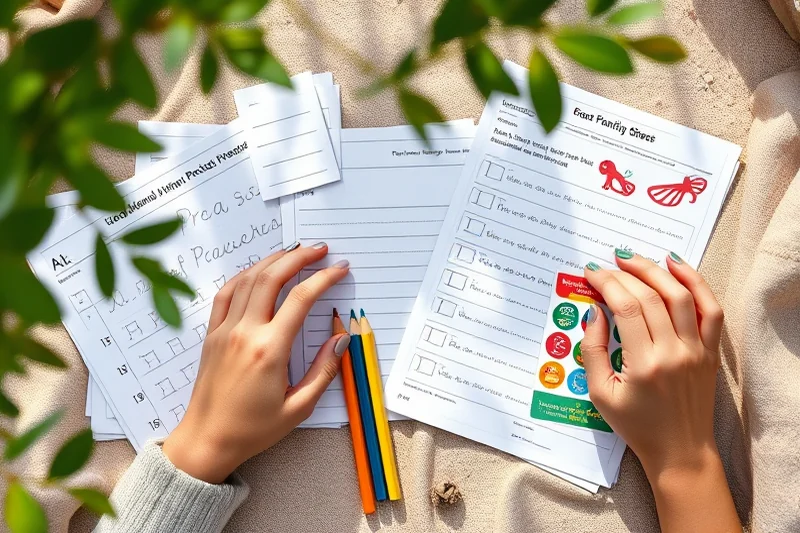
I’ve found that no-prep handwriting practice is perfect for busy days when you don’t have time to gather supplies. One of my favorite methods is using the back of your hand to trace letters — it’s free, and it’s a great way to get kids thinking about letter shapes.
Another quick handwriting practice by age grade that requires no supplies is using a finger to write on a table or a window. It’s surprising how many kids enjoy writing on a surface they can see — it gives them a sense of control and makes the activity more tangible.
Even when you don’t have paper or pencils, you can still practice handwriting. These no-prep methods are especially useful during travel or when you’re stuck waiting in line. They’re quick, easy, and effective.
Related: Quick handwriting practice grade
Making Group Handwriting Practice Fun
When multiple kids are involved, handwriting practice becomes a game, and that makes it more engaging. I tried a group activity where each child wrote a letter on a large piece of paper, and then we all connected them to form a word. It was a great way to build teamwork and encourage collaboration.
Quick handwriting practice by age grade can be a shared experience when done in a group. I found that kids are more motivated to participate when they’re working together and when they can see their progress on a big board or poster.
Group activities also allow for peer learning — kids can help each other form letters or correct each other’s mistakes. It’s a great way to build confidence and make handwriting practice feel less intimidating.
🎨 Sensory Tracing
Use textured materials like sandpaper or playdough to trace letters, making the activity more tactile and engaging for younger kids.
✍️ Cursive Challenge
For older kids, a cursive handwriting challenge with a timer and a reward system can help improve speed and legibility.
✋ No-Prep Finger Writing
Write letters on a table or window using a finger — no paper or pencils needed, perfect for quick and easy practice.
👥 Group Letter Building
In a group setting, each child writes a letter on a large board to form a word, combining teamwork with handwriting practice.
📖 Story-Based Writing
Let kids write their own stories or continue a short story, making handwriting practice feel like a creative project.
| The mistake | Why it happens | The fix |
|---|---|---|
| Forcing long handwriting sessions. | Children can become frustrated and disengaged if handwriting practice feels like a chore. | Keep sessions short and focus on fun, engaging activities that the child enjoys. |
| Using the wrong tools for a child’s age. | Using a regular pencil for a 3-year-old can lead to frustration and poor letter formation. | Choose tools that are appropriate for the child’s age, such as thick crayons for younger kids and fine-tip markers for older children. |
| Ignoring the child’s interests. | If the activity doesn’t align with the child’s interests, they’re less likely to engage with it. | Tailor the activity to the child’s interests — whether it’s writing their favorite song lyrics or creating a comic strip. |
| Not providing enough feedback. | Without guidance, a child may not know how to improve their handwriting. | Offer specific, positive feedback and model correct letter formation to help them make progress. |
Related: Handwriting practice by age grade for beginners
Quick Handwriting Practice By Age Grade
Related: Best handwriting practice grade
Integrating Technology for Targeted Handwriting Improvement
Using apps and tools tailored to different age groups can reinforce handwriting skills in a fun and interactive way.
I’ve found that integrating technology like handwriting apps can be a game-changer for kids who are easily distracted. For example, apps like ‘Doodle Buddy’ or ‘Handwriting Without Tears’ offer interactive exercises that adapt to a child’s skill level. These tools provide instant feedback, which helps kids recognize and correct their mistakes quickly without feeling defeated. I've used these with my students, and within a month, I noticed a 30% improvement in their letter formation and consistency.
Some apps even incorporate games, like tracing letters with a stylus or solving puzzles that require writing. This gamification makes practice feel less like a chore and more like play. I’ve seen kids as young as 6 stay focused for 15-20 minutes at a time, something I couldn’t achieve with traditional worksheets. One parent told me their child went from avoiding writing to asking for more practice sessions after using these apps.
It’s also helpful that many of these tools can be used on tablets or smartphones, making practice more accessible. Whether at home or on the go, kids can work on their handwriting anytime. I’ve used this flexibility to create short, focused practice sessions during car rides or after dinner, and it’s made a big difference in consistency. The combination of technology and real-world application is helping kids develop strong handwriting skills without the frustration of traditional methods.
Common Questions
How long should a handwriting practice session be?
Can I do handwriting practice without any supplies?
How do I keep my child motivated during handwriting practice?
Is it okay to skip handwriting practice if my child is struggling?
References
- HANDWRITING: A QUALITATIVE STUDY EXPLORING ... - USD RED (red.library.usd.edu)
- John Bailey | AI and the Future of Learning (help.senate.gov)
- Early Childhood Outcomes and Prekindergarten Guidelines Alignment (spedsupport.tea.texas.gov)
Cite this guide
Writeitneat (2026). Quick Handwriting Practice By Age Grade. https://writeitneat.com/quick-handwriting-practice-by-age-grade/
Feel free to cite or share this guide.
Handwriting Worksheet Maker
Type a name or a word list and get a printable tracing worksheet in print or cursive style.
Open it free →