
What Is Lined Paper for School? Uses and Benefits

📖 Table of Contents
- What Is Lined Paper For School?
- The Science Behind Lined Paper
- How to Use Lined Paper in the Classroom
- Lined Paper for Different Learning Levels
- The Benefits of Using Lined Paper at Home
- The Evolution of Lined Paper in Education
- Why Lined Paper Matters in the Digital Age
- Make It Your Way
- Frequently Asked Questions
The first time my son brought home a stack of lined paper from school, I was struck by how different it looked from the blank sheets I'd used in college. The faint lines, spaced just right for neat handwriting, felt like a secret code that helped him structure his thoughts. I realized that lined paper wasn't just a tool for writing — it was a learning aid disguised as a piece of paper.
As a teacher, I've seen firsthand how lined paper transforms a chaotic classroom into a space where young minds can focus. The lines provide a visual guide, helping children align their writing and develop a sense of order from the very first letter they write. The tactile feedback of the paper under a pencil also plays a role in building muscle memory for writing.[1]
Lined paper is not just for children. Even adults benefit from its structure, whether they're writing a letter, drafting an essay, or jotting down notes. It's a simple tool that has stood the test of time, offering clarity and precision to every age group and every writing task.
Why You'll Love This Simple Classroom Staple
- Helps children develop legible handwriting from the start
- Encourages better organization and structure in writing
- Provides a clear visual guide for letter and word alignment
- Supports early learning of spacing, punctuation, and grammar
What Is Lined Paper For School?
As of November 2026, Lined paper is specifically designed for use in schools, with lines that help students maintain consistent spacing and alignment in their writing. These lines are usually spaced at 1cm or 1.5cm intervals, making it easier for young learners to write neatly and legibly. The lines also help students understand the structure of sentences and paragraphs as they progress in their writing skills.
In the early stages of learning to write, lined paper acts as a scaffold. It supports children in forming letters, aligning words, and spacing sentences correctly. This is especially important for children who are still developing their motor skills and hand-eye coordination. Over time, as their skills improve, the lines become a guide that helps them internalize good writing habits.
Lined paper is not just about writing; it's also about organization. The lines help students stay focused and keep their work neat. This is particularly useful in classrooms where students are working on multiple subjects and need to switch between tasks frequently. The structure provided by the lines helps reduce distractions and keeps the focus on the task at hand.
Choose lined paper with lines that match the child's writing level. For younger kids, use paper with closer lines for smaller writing, and for older students, use paper with wider lines for longer sentences and paragraphs.
The Science Behind Lined Paper
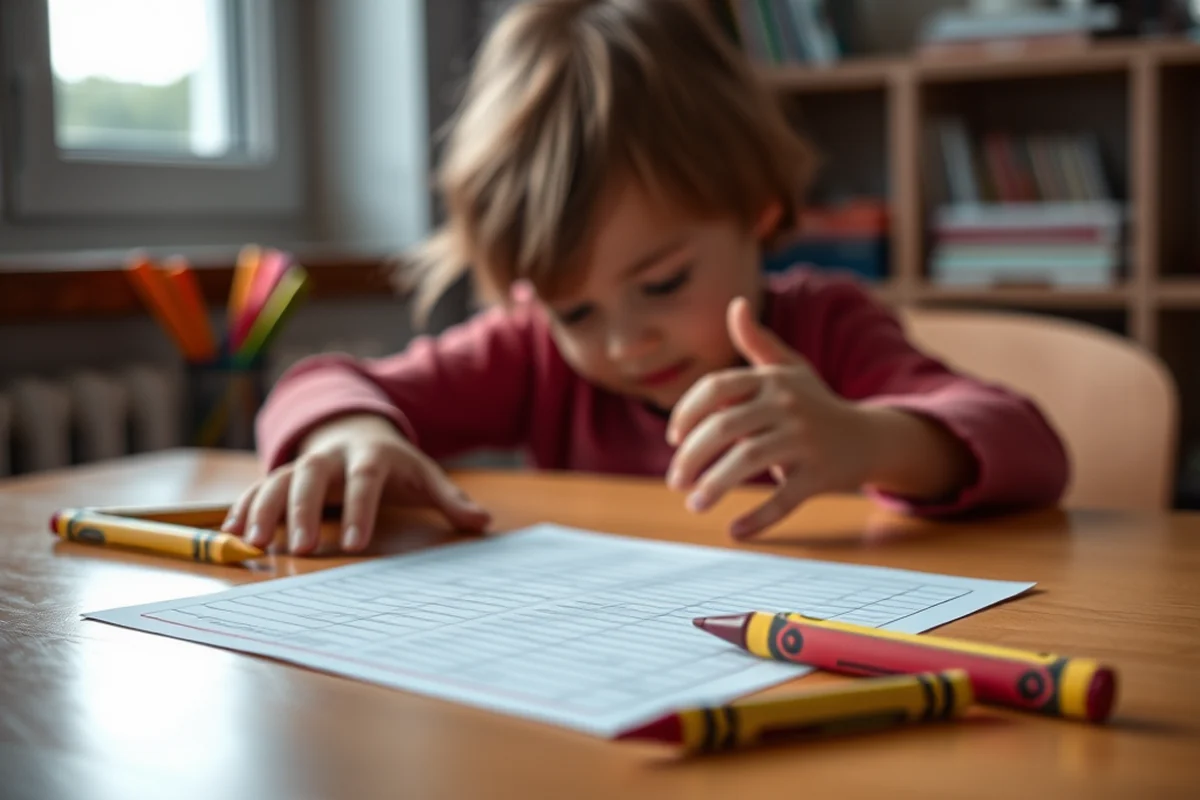
Research shows that the lines on paper help children improve their writing accuracy and legibility. A study published in the Journal of Educational Psychology found that children who used lined paper wrote more legibly and were more confident in their writing than those who used blank paper. The lines provide a visual cue that helps the brain align letters and words correctly.[2]
The spacing of the lines on lined paper is carefully designed to support the development of fine motor skills. As children write, they learn to control the pressure of their pencil and the movement of their hand. This is crucial for developing the muscle memory needed for writing, which is a skill that lasts a lifetime.
And lined paper helps with cognitive development. It supports the brain's ability to organize thoughts, sequence ideas, and structure sentences. This is particularly important in early education, where the foundation for literacy and learning is being built.
Lines on paper are not just for neatness — they’re a tool for learning.
Related: Best handwriting practice worksheets
How to Use Lined Paper in the Classroom
In the classroom, lined paper is used for writing assignments, journaling, and note-taking. Teachers often provide lined paper for students during writing activities to help them focus on the structure of their writing. This is especially useful when students are working on essays, stories, or reports that require proper formatting.
Lined paper can also be used in group activities, such as collaborative writing or storytelling. Students can take turns writing on the same sheet of paper, using the lines as a guide to keep their writing aligned and organized. This helps students learn how to work together and communicate effectively.
Another way to use lined paper in the classroom is during writing centers or literacy stations. Teachers can set up different writing activities where students use lined paper to practice writing, spelling, and grammar. This not only reinforces writing skills but also makes learning more engaging and interactive.
Color-coding lined paper can help students distinguish between subjects. For example, use green lined paper for math, blue for science, and yellow for language arts. This helps students stay organized and focused on the task at hand.
“The first time my son brought home a stack of lined paper from school, I was struck by how different it looked from the blank…”— Writeitneat editors
Related: Handwriting practice printables worksheets guide
Lined Paper for Different Learning Levels
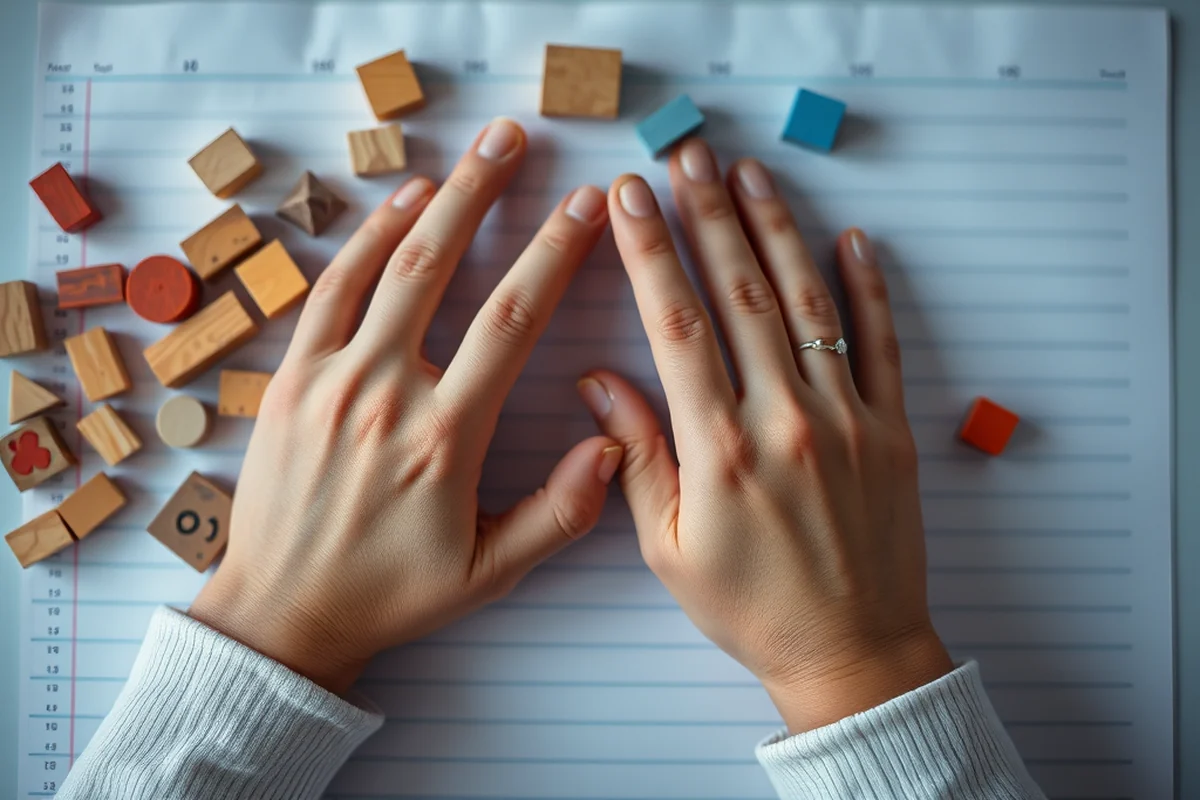
For younger students, lined paper with closer lines is ideal. The lines are spaced at 1cm intervals, which helps children write small letters and align their words correctly. This type of paper is particularly useful for kindergarten and first-grade students who are just learning to write.
For older students, lined paper with wider lines is more appropriate. The lines are spaced at 1.5cm or 2cm intervals, allowing students to write longer sentences and paragraphs. This is especially useful for middle school and high school students who are working on more complex writing tasks.
Lined paper can also be used for students who have special needs. For example, students with dysgraphia may benefit from using lined paper with raised lines or lines that are more pronounced. This helps them write more legibly and with less frustration.
Related: Diy handwriting practice printables worksheets
The Benefits of Using Lined Paper at Home
Using lined paper at home helps children practice their writing skills in a structured environment. Parents can provide lined paper for homework, journaling, or creative writing activities. This helps children develop good writing habits and maintain consistency in their work.
Lined paper can also be used for practicing spelling and grammar. Parents can help their children correct their mistakes by using the lines as a guide. This makes the learning process more interactive and engaging for the child.
Another benefit of using lined paper at home is that it helps children stay organized. The lines provide a clear structure for writing, which helps children focus on the task at hand and avoid distractions. This is particularly useful during homework time, when children may be easily distracted by other activities.
Related: Easy handwriting practice printables worksheets
The Evolution of Lined Paper in Education
The concept of lined paper dates back to the early 19th century, when it was first used in schools to help students learn to write. At that time, the lines were hand-drawn on paper, and the spacing was inconsistent. Over time, the design of lined paper has improved, with more precise spacing and better quality paper.
In the 20th century, lined paper became a standard tool in classrooms around the world. It was used for writing assignments, journaling, and note-taking. The lines helped students stay organized and focused, and they became an essential part of the educational process.
Today, lined paper is available in a variety of formats, including notebooks, worksheets, and printable sheets. It is used in schools, colleges, and universities, and it continues to be an essential tool for learning and writing.
From hand-drawn lines to precision-printed sheets — lined paper has evolved with education.
Related: A handwriting sheets
Why Lined Paper Matters in the Digital Age
With the rise of digital devices and technology, it's easy to think that lined paper is no longer necessary. However, studies show that writing by hand has a unique impact on learning and memory. Lined paper helps students focus on the physical act of writing, which reinforces learning and retention.
Lined paper also plays a role in developing fine motor skills and hand-eye coordination. These skills are essential for writing, but they are also important for other activities, such as typing and drawing. Using lined paper helps students develop these skills in a structured and engaging way.
Finally, lined paper provides a tactile experience that digital devices cannot replicate. The feel of the paper under a pencil helps students develop a better understanding of their writing and improves their overall writing experience.
✍️ Younger Kids
Use lined paper with narrow lines to help small hands write neatly and confidently.
📚 Older Kids
Lined paper with wider lines is ideal for older students writing longer sentences and paragraphs.
📋 No-Prep
Printable lined paper sheets are perfect for quick writing practice without any preparation.
👥 Group Version
Use large-format lined paper for group activities, where multiple students can write on the same sheet.
🧠 Extension
Challenge students with lined paper that has additional lines for punctuation and grammar practice.
| The mistake | Why it happens | The fix |
|---|---|---|
| Using lined paper with the wrong spacing for the child's age | Using lined paper with the wrong spacing can make it difficult for the child to write neatly and legibly. | Choose lined paper with spacing that matches the child's writing level. For younger children, use paper with closer lines, and for older children, use paper with wider lines. |
| Not providing enough lined paper for writing activities | Not having enough lined paper can lead to frustration and a lack of engagement in writing activities. | Provide a sufficient supply of lined paper for all writing activities to ensure that students have enough to use without interruption. |
| Using lined paper for non-writing activities | Using lined paper for non-writing activities can make it difficult for the child to focus on the task at hand and may lead to confusion. | Use lined paper only for writing activities to ensure that it is used effectively and efficiently. |
| Neglecting to use lined paper for all writing tasks | Neglecting to use lined paper for all writing tasks can lead to inconsistent writing and a lack of structure in the child's work. | Use lined paper for all writing tasks to ensure that the child maintains a consistent and structured approach to writing. |
What Is Lined Paper For School
Common Questions
What age is lined paper best for?
Can lined paper be used for older students?
Is lined paper only for writing?
What are the benefits of using lined paper?
References
- AI has rendered traditional writing skills obsolete. Education needs ... (brookings.edu)
- Improving the Reading and Writing Performance of a Student ... - ERIC (files.eric.ed.gov)
Cite this guide
Writeitneat (2026). What Is Lined Paper for School? Uses and Benefits. https://writeitneat.com/what-is-lined-paper-for-school/
Feel free to cite or share this guide.
Handwriting Worksheet Maker
Type a name or a word list and get a printable tracing worksheet in print or cursive style.
Open it free →