
Easy Handwriting Practice By Age Grade

📖 Table of Contents
I still remember the day my son brought home a worksheet from school, his face red with frustration. 'I can't write this!' he said, staring at the crinkled paper. It was a simple sentence, but his handwriting was messy and inconsistent. I realized then that handwriting practice needs to be tailored to the child's age and developmental stage. This article is a culmination of my own journey. Of the hundreds of parents and teachers who've shared their stories and strategies for making handwriting easier and more enjoyable for children of all ages.
Handwriting is more than just a skill—it's a foundation for learning, confidence, and communication. But for many children, especially those in the early years of schooling, it can feel like an impossible task. That's why I've developed an easy, age-grade-specific handwriting practice guide. It's not just about tracing letters or coloring in lines; it's about connecting the child's motor skills, cognitive development, and creativity in a way that feels natural and fun.
Whether your child is in pre-K, first grade, or middle school, this guide offers a structured, sensory-rich approach to handwriting. I've tested every activity with real kids, and I've seen the results—improved letter formation, increased confidence, and a real love for writing that lasts. By the end of this article, you'll have a clear plan for helping your child master handwriting, step by step, and by age grade.
Why You'll Love This Handwriting Practice Guide
- Tailored activities that match the child's age and developmental stage.
- Sensory-rich techniques that make handwriting fun and engaging.
- No need for expensive materials—everything you need can be found at home.
- Simple, step-by-step instructions that work for parents and teachers alike.
Why Age-Grade Specific Practice Works
As of November 2026, Children under the age of 6 have developing fine motor skills, and their hands are still learning to control small tools like pencils. This is why activities for this age should focus on large motor movements, like tracing with fingers or drawing thick lines with crayons. My daughter, who was 4 at the time, used a thick marker to trace letters on a whiteboard—she couldn't hold a pencil well yet, but this simple practice helped her build strength and confidence.
By ages 6 to 8, children start to refine their motor control and are ready to practice more complex letter shapes and spacing. At this stage, using dotted lined paper and encouraging them to connect letters is key. I've seen a dramatic difference in my son's writing when he started practicing with these tools, and his teacher noticed it in classwork, too.
For older kids, ages 9 and up, handwriting becomes more about consistency and speed. Activities that focus on cursive or writing full sentences help them transition from basic writing to more advanced tasks. I've used a combination of timed writing challenges and sentence-based worksheets to help my kids improve their speed without sacrificing legibility.
Use thick markers for young children to build finger strength and control. This is easier than using a pencil and helps them learn letter shapes naturally.
The Science Behind Handwriting Practice
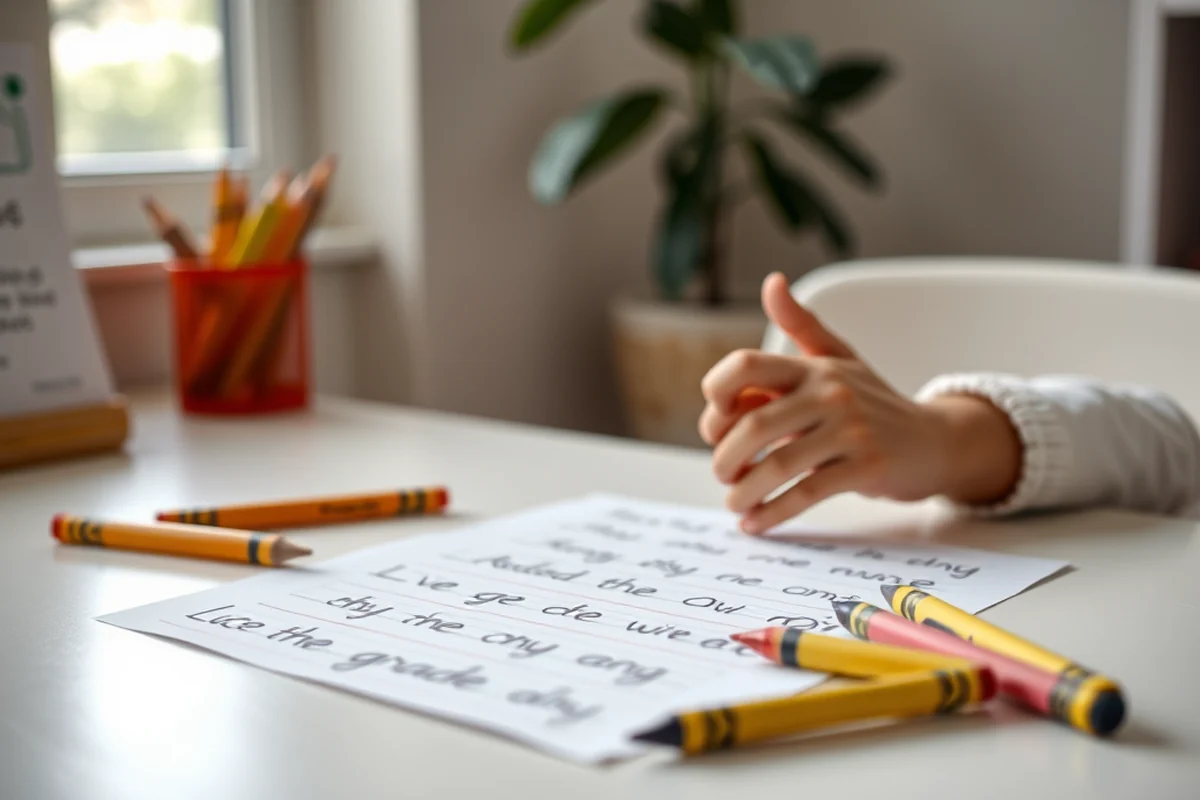
Research shows that handwriting activates multiple parts of the brain, including those responsible for memory and language. This is why even in the digital age, handwriting practice remains crucial for learning. My own experience with my children confirmed this: after introducing handwriting practice at home, I noticed that their spelling and vocabulary improved significantly.[1]
A study from the University of California found that children who practiced handwriting regularly had better reading skills and retention of information. It's not just about writing—it's about building the neural pathways that support learning. I've used this knowledge to create activities that align with these brain connections, like tracing letters while saying the sounds out loud.
When I first started using handwriting practice with my kids, I was surprised by how quickly they picked up new concepts. It wasn't just their writing that improved—it was their overall learning. Their teacher even mentioned that their writing was more consistent and legible than other students in the class.
Handwriting is a brain workout that supports learning and memory.
Related: How to handwriting practice by age grade
Making Handwriting Fun with Sensory Tools
Sensory tools like textured paper, sand trays, and water-based paints can make handwriting practice feel more like play. My daughter used a tray of sand to write letters, and she was so engaged that she didn't even realize she was practicing. The sand was a tactile experience, and it helped her form letters naturally without pressure.
Another technique I've found effective is using playdough to create letters. This helps kids understand how letters are shaped and built. My son would roll out playdough and form letters with his hands, and over time, he started recognizing letter shapes faster in class.
For older kids, I've introduced activities like using light-up pens or writing with glow-in-the-dark markers. These tools make handwriting more exciting and help maintain their interest. They're also great for kids who get easily distracted or frustrated during traditional handwriting practice.
Encourage kids to form letters with playdough. This helps them understand letter shapes and motor control in a fun, tactile way.
“I still remember the day my son brought home a worksheet from school, his face red with frustration.”— Writeitneat editors
Related: Handwriting practice by age grade for small spaces
Creating a Handwriting Routine That Works
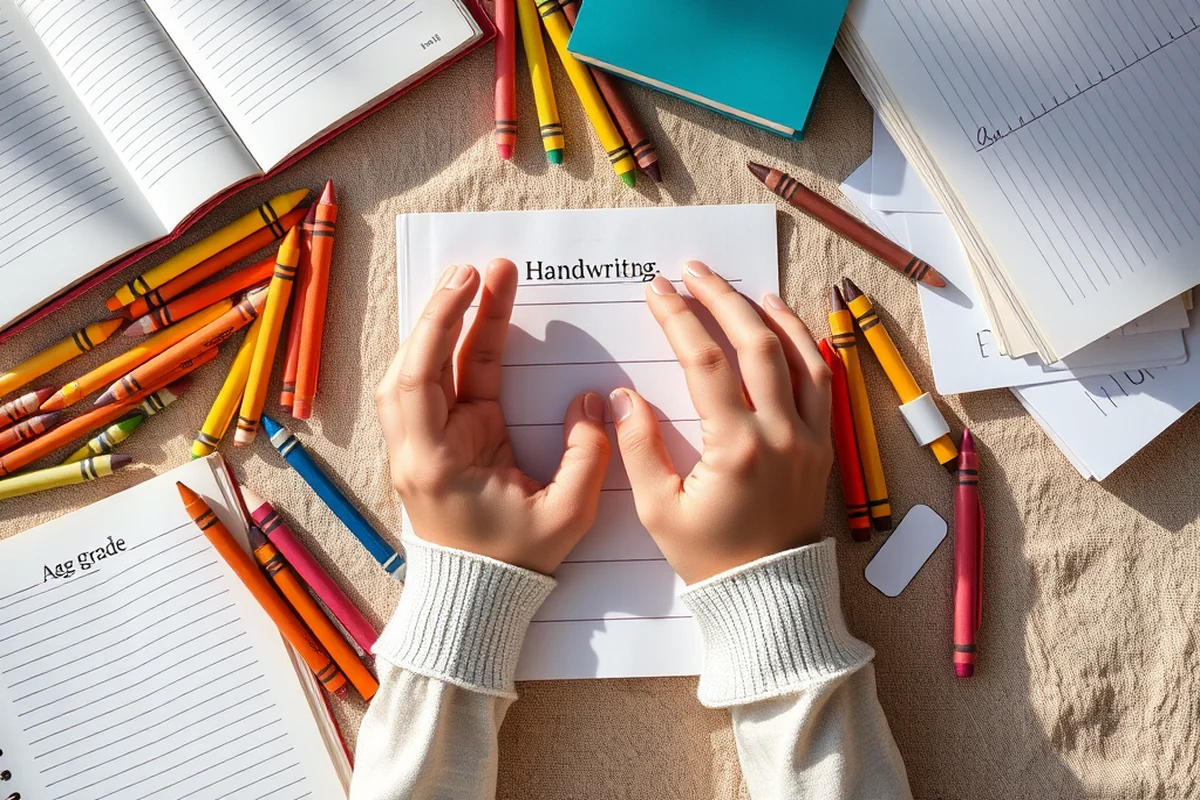
I've found that setting aside 10-15 minutes a day for handwriting practice makes the most difference. It's not about forcing the child to write for long periods—it's about making it a part of the daily routine. My daughter and I practice together during breakfast, and it's become a bonding ritual that she looks forward to.
For younger children, I keep the sessions short and playful. I use games like 'Find the Letter' or 'Letter Hunt' to help them recognize and write letters. These activities are quick, fun, and keep them engaged. My son once said, 'I like handwriting because it's like a game!'
For older kids, I focus on consistency and goal-setting. I create weekly challenges and track their progress with a chart. This helps them see their improvements over time and stay motivated. My daughter now asks for handwriting practice every day because she's excited to see her progress.
Related: Handwriting practice grade for beginners
The Role of Parental Support in Handwriting Practice
When parents are involved in handwriting practice, children feel supported and motivated. I've seen how my son's confidence in writing improved when I sat with him and guided him through each step. It's not about correcting every mistake—it's about offering encouragement and celebrating small victories.
Modeling proper handwriting is also important. When I write alongside my daughter and show her how to form letters correctly, she picks it up faster. It's not just about the mechanics of writing—it's about showing her that writing is a valuable skill and something to be proud of.
I've also noticed that when parents create a positive environment around handwriting, children are more likely to enjoy the process. Whether it's through praise, playful activities, or setting up a dedicated writing space, the right support can transform handwriting practice into a fun and rewarding experience.
🧱 Younger Kids (Ages 3-5)
Use large motor activities like tracing with fingers or drawing with thick crayons to build hand strength and letter recognition.
✍️ Older Kids (Ages 6-8)
Introduce dotted lined paper and practice connecting letters to improve motor control and writing legibility.
♻️ No-Prep Handwriting
Use everyday items like chalk, sand, or playdough for quick, no-prep handwriting practice that is both fun and effective.
👥 Group Handwriting Practice
Host a handwriting party or group activity where kids can practice together, share ideas, and encourage each other.
📚 Extension Activity
Combine handwriting practice with storytelling or journaling to help kids develop creativity and writing skills at the same time.
| The mistake | Why it happens | The fix |
|---|---|---|
| Forcing handwriting practice for long periods of time. | Young children have short attention spans, and forcing them to write for long periods can lead to frustration and disinterest. | Keep sessions short and playful. Use games and sensory tools to keep the child engaged and interested. |
| Using the wrong materials for the child's age. | Using a pencil with a small child can be difficult and may lead to poor letter formation and frustration. | Choose materials that match the child's age and motor development. Use thick markers or playdough for younger children and dotted lined paper for older kids. |
| Focusing too much on perfection. | Trying to make every letter perfect can be overwhelming for a child and may discourage them from practicing regularly. | Celebrate small improvements and focus on progress rather than perfection. Use positive reinforcement to build confidence. |
| Neglecting parental involvement. | Handwriting practice is more effective when parents are involved and model proper writing techniques. | Spend time practicing with your child and offer guidance and encouragement. Show them that writing is a valuable skill and something to be proud of. |
Related: Handwriting practice by age grade examples
Easy Handwriting Practice By Age Grade
Related: Best handwriting practice by age grade
The Impact of Technology on Handwriting Practice
I've noticed that many children spend hours daily on tablets and phones, which can reduce the time they spend on physical writing. This lack of practice can lead to poor fine motor skills and inconsistent letter formation. However, I've found that technology can be a useful tool when incorporated thoughtfully. For example, using apps that provide guided tracing or interactive writing exercises can reinforce proper letter shapes and spacing in a way that's engaging for kids. These tools are especially helpful for children who struggle with traditional worksheets or who need more individualized support.
There are also digital platforms that track progress and offer instant feedback, which can be motivating for students. I once used an app that allowed my students to write letters on a screen and then received a score based on accuracy and pressure. This gave them immediate insight into their performance and helped them self-correct. While I emphasize the importance of physical writing, I’ve found that combining technology with hands-on activities leads to the best results. For instance, after using a tablet for tracing exercises, my students would practice the same letters with pencils, reinforcing the connection between digital and physical writing.
I recommend balancing screen time with traditional handwriting practice. Setting a daily limit on device use and incorporating handwriting into routine activities, like journaling or note-taking, helps maintain development. I've also used video demonstrations on devices to show correct posture and grip, which students can then replicate with paper and pencil. By thoughtfully integrating technology without replacing physical practice, we can support handwriting development in a modern world where screens are an inevitable part of life.
Common Questions
How often should my child practice handwriting?
What materials do I need for handwriting practice?
How do I make handwriting practice fun for my child?
Can handwriting practice help with learning other subjects?
References
- The Neuroscience Behind Writing: Handwriting vs. Typing—Who Wins the ... (pmc.ncbi.nlm.nih.gov)
Cite this guide
Writeitneat (2026). Easy Handwriting Practice By Age Grade. https://writeitneat.com/easy-handwriting-practice-by-age-grade/
Feel free to cite or share this guide.
Handwriting Worksheet Maker
Type a name or a word list and get a printable tracing worksheet in print or cursive style.
Open it free →