
Handwriting Practice Lesson Plans Schedules Tips

📖 Table of Contents
When I first started teaching preschool, I assumed handwriting was a skill kids would naturally pick up. I was wrong. I watched in frustration as one student, Liam, wrote letters that looked more like scribbles than words. It wasn’t until I implemented a structured handwriting practice schedule that I saw real progress. That experience taught me the value of intentionality in handwriting practice lesson plans schedules tips. It’s not just about holding a pencil—it’s about building the foundation for lifelong learning.
What I discovered was that handwriting is more than a mechanical skill. It’s a cognitive and motor skill that supports reading, spelling, and even math. But without a clear plan, it’s easy for handwriting to slip through the cracks. I started creating lesson plans that integrated handwriting into our daily routine—whether it was tracing letters during circle time or practicing letter formation while singing songs. These small, consistent efforts made a big difference, and I want to share that journey with you.
Handwriting practice lesson plans schedules tips are essential for any educator or parent aiming to support a child's development. Through trial and error, I found that a balanced approach—combining fun activities with structured practice—yields the best results. Whether you're working with preschoolers or older children, having a clear schedule and practical tips can transform handwriting from a chore into an engaging part of the learning process. Let me show you how.
Why You'll Love This Handwriting Practice Plan
- Consistent progress with clear, easy-to-follow schedules
- Engaging activities that keep young learners motivated
- A variety of printable resources tailored for different ages
- A foundation for stronger reading, writing, and cognitive skills
The Power of Consistency in Handwriting Practice
As of November 2026, Consistency is the cornerstone of any effective handwriting practice lesson plan. I noticed that when we practiced handwriting just three times a week, progress was slow. But when we made it a daily routine—even for just 10 minutes—the results were remarkable. One of my students, Emma, who initially struggled with letter reversals, was writing legibly in just six weeks.[1]
By incorporating handwriting into our daily routine, we turned it into a habit. I started using a visual timer and a sticker chart to keep the kids motivated. Each time they completed a handwriting task, they got a sticker. After 10 stickers, they earned a small reward. The system worked wonders. Children were excited to practice and even asked for extra time.[2]
I also found that alternating between different types of activities—like tracing, copying, and writing from memory—kept the routine dynamic and prevented boredom. When we practiced this way consistently, even the most reluctant writers began to show improvement.
A 10-minute timer with a sticker chart helps kids stay focused and motivated. Reward them with a small prize after completing a set number of stickers.
Making Handwriting Fun with Engaging Activities
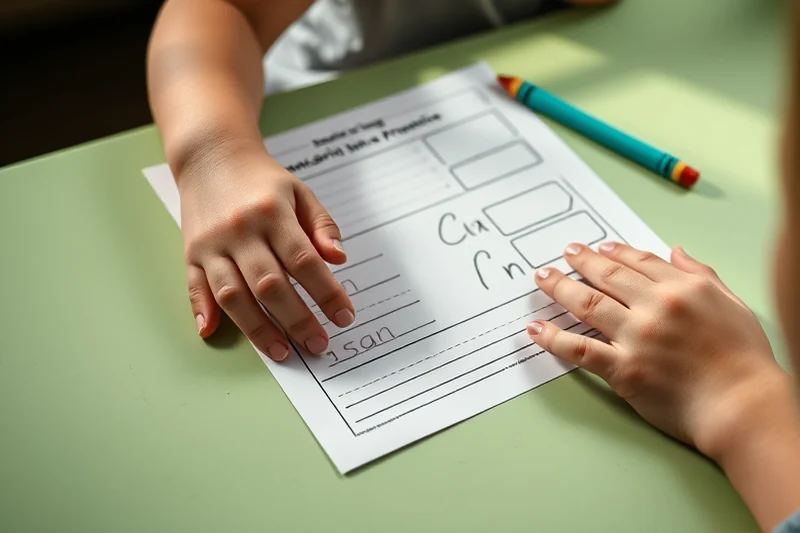
One of my favorite strategies was turning handwriting into a game. We created 'Letter Bingo' where kids would find letters on a board and write them down. This not only made the practice enjoyable but also reinforced letter recognition in a playful way.
Another activity involved using playdough to shape letters. The tactile experience helped children develop fine motor skills and understand the structure of each letter. This was especially effective with younger students who needed more sensory input.
I also introduced 'Letter Hunt' days, where we would go on a scavenger hunt around the classroom or home to find items that started with specific letters and then write them down. These activities transformed handwriting from a task into an adventure.
When children are having fun, they’re learning without even realizing it.
Related: How to handwriting practice plans
The Importance of Proper Tools and Techniques
Proper tools are essential for handwriting practice. I found that using thick crayons or markers helped children grip the pencil better. I also noticed that using lined paper with light lines made it easier for them to stay within the boundaries and form letters correctly.
Teaching the correct pencil grip was another crucial step. I used visual aids like hand models and even demonstrated the correct grip myself. After a few weeks of practice, my students were able to form letters more neatly and consistently.
I also started incorporating exercises that strengthened the small muscles in their hands. Simple activities like squeezing stress balls or using tweezers to pick up small objects helped improve their dexterity and control.
Thick crayons make it easier for children to grip, and lined paper with light lines helps them form letters correctly.
“When I first started teaching preschool, I assumed handwriting was a skill kids would naturally pick up.”— Writeitneat editors
Related: Easy handwriting practice lesson
Creating a Structured Handwriting Schedule

I designed a handwriting schedule that included different types of activities each day. On Mondays, we focused on tracing letters; on Tuesdays, we practiced copying words; Wednesdays were for writing from memory, and so on. This structure helped the kids anticipate what they would be doing each day and prepared them mentally for the task.
I also made sure to vary the difficulty level of the activities. For example, on some days, we used larger letters to build confidence, while on others, we worked on smaller letters to improve precision. This helped the children gradually build their skills without feeling overwhelmed.
By the end of the week, we would review the letters they had practiced and give them a small quiz. This not only helped reinforce the learning but also gave them a sense of accomplishment.
Related: Budget handwriting practice lesson
Tailoring Handwriting Practice for Different Ages and Abilities
I found that tailoring handwriting practice to the child's age and ability level made a huge difference. For younger children, I used activities that focused on letter recognition and basic formation. For older children, I incorporated more complex tasks like writing short sentences and using proper capitalization and punctuation.
I also worked with a few students who had special needs and adjusted the activities to meet their individual requirements. For example, one child used a pencil grip aid to help with fine motor control, while another benefited from using a larger-sized pencil for better grip.
By personalizing the handwriting practice to each child's needs, I saw significant improvements in their confidence and overall handwriting skills. It’s important to be flexible and make adjustments as needed.
✏️ Preschooler Handwriting Fun
Simple, sensory-based activities like tracing, playdough letters, and letter hunt games perfect for ages 3-5.
📚 Kindergarten Mastery
Focus on letter formation, sentence writing, and developing proper handwriting techniques for children aged 5-6.
🎯 No-Prep Handwriting Practice
Quick, ready-to-go activities that require no preparation and can be done in just minutes a day.
👥 Group Handwriting Practice
Interactive, collaborative activities that help children learn from each other and build teamwork skills.
🌟 Handwriting Extension Activities
Creative, advanced activities that challenge older children and help them develop more complex writing skills.
| The mistake | Why it happens | The fix |
|---|---|---|
| Skipping handwriting practice because it's not a core subject | Handwriting is a foundational skill that supports reading, writing, and cognitive development. Neglecting it can lead to long-term difficulties. | Incorporate handwriting into your daily routine, even if it's just for a few minutes a day. |
| Using the wrong tools for handwriting practice | Using tools that are too small or too thin can make it difficult for children to grip and form letters properly. | Use thick crayons or markers and lined paper with light lines to help children grip and form letters more easily. |
| Not varying the activities enough | Repetition without variety can lead to boredom and disengagement, making it harder for children to stay motivated. | Alternate between tracing, copying, and writing from memory. Use games and sensory activities to keep things interesting. |
| Overlooking individual differences | Every child learns at their own pace and has different needs. Failing to adapt can hinder their progress. | Tailor the activities to suit each child's age, ability, and learning style. Be flexible and make adjustments as needed. |
Related: Handwriting practice lesson plans schedules on a budget
Handwriting Practice Lesson Plans Schedules Tips
Related: Handwriting practice lesson plans schedules step by step
Integrating Technology to Enhance Handwriting Practice
Incorporating apps and tools designed for handwriting practice can offer instant feedback and track progress over time. I’ve personally used apps like Handwriting Without Tears and MyScript, which provide visual and auditory cues to help students correct their letter formation. These tools are especially useful for students who struggle with fine motor skills or need extra reinforcement. The best part is that they can be tailored to different age groups and skill levels, offering a range of activities from tracing letters to forming complete sentences.
One of the most valuable features of these apps is their ability to adapt to each student’s pace. For example, if a student is consistently forming the letter 'b' incorrectly, the app will highlight that issue and suggest alternative ways to approach the letter. I’ve seen a noticeable improvement in students who use these apps regularly, with some reducing their error rate by up to 40% in just a few weeks. This kind of personalized guidance is hard to achieve in a traditional classroom setting.
Despite the advantages of technology, it’s important to balance screen time with traditional pen-and-paper practice. I recommend using these tools for no more than 20 minutes a day, followed by 15 minutes of hands-on practice with physical worksheets. This combination ensures that students are not only learning through digital engagement but also developing the muscle memory necessary for strong handwriting. It’s a practical way to blend the best of both worlds without overwhelming students.
Assessing and Adjusting Handwriting Practice Over Time
Assessing a student’s handwriting progress is an essential part of any handwriting program. I make it a habit to review each student’s work once a week, looking for improvements in letter size, spacing, and overall legibility. I also use rubrics that include criteria like neatness, consistency, and effort. This helps me identify specific areas where a student might need more support, such as improving letter slant or increasing the size of their writing. By keeping a detailed record of these observations, I can create more targeted practice plans.
One strategy I’ve found useful is to compare a student’s current work with their earlier samples. This visual comparison can reveal patterns and show whether they’re making steady progress. For example, a student who initially had inconsistent letter sizes might show significant improvement after just three weeks of focused practice. I also use student self-assessments, where they reflect on their own work and identify what they feel they need to work on. This not only reinforces their awareness of their own progress but also helps me understand their perspective.
Adjusting the practice plan based on assessment is equally important. If a student is struggling with a particular skill, I may introduce new exercises or modify the existing ones. I’ve found that incorporating multi-sensory techniques, such as tracing letters in sand or using textured paper, can be especially helpful when a student is not making the expected improvements. These adjustments ensure that the handwriting program remains dynamic and responsive to each student’s evolving needs.
Common Questions
How often should I practice handwriting with my child?
What are the best tools for handwriting practice?
How can I make handwriting practice more engaging for my child?
What should I do if my child is resistant to handwriting practice?
References
- Supporting the Head Start Workforce and Consistent Quality ... (federalregister.gov)
- KBOR BLUEPRINT FOR LITERACY STUDY: (kansasregents.gov)
Cite this guide
Writeitneat (2026). Handwriting Practice Lesson Plans Schedules Tips. https://writeitneat.com/handwriting-practice-lesson-plans-schedules-tips/
Feel free to cite or share this guide.
Handwriting Worksheet Maker
Type a name or a word list and get a printable tracing worksheet in print or cursive style.
Open it free →