
Handwriting Practice Lesson Plans Schedules Printable

📖 Table of Contents
I remember the first time I watched my 5-year-old struggle with the letter 'S.' Her pencil was stiff, her grip too tight. The lines she drew looked more like jagged hills than flowing curves. I realized then that handwriting wasn't just about forming letters—it was about building confidence, fine motor skills, and a love for learning. That's why I created a set of handwriting practice lesson plans schedules printable, tailored to make handwriting both fun and effective for kids from preschool through early elementary.
These lesson plans are more than just worksheets—they're a roadmap that guides parents and teachers through the process of nurturing handwriting skills, one letter at a time. I’ve tested each schedule myself with my own children and with students I’ve taught over the years. The result is a structured yet flexible approach that fits into busy lives, whether you’re teaching one child at home or leading a classroom of 20.[1]
What I’ve learned is that handwriting practice needs rhythm, repetition, and a touch of play. These printable lesson plans are designed with that in mind, incorporating daily routines that are both engaging and educational. You’ll find lesson plans that align with developmental stages, activity-based schedules that keep children motivated, and printable materials that are easy to download and use. This is a resource that has helped thousands of families and educators bring handwriting into the 21st century, while still respecting the timeless value of the written word.
Why You'll Love This Handwriting Practice Resource
- It simplifies daily handwriting practice with easy-to-follow lesson plans.
- It adapts to different age groups and learning styles with printable schedules.
- It boosts confidence and fine motor skills through structured, engaging activities.
- It's completely customizable and requires no special materials beyond paper and pencils.
Why Handwriting Practice Matters in Early Childhood
As of November 2026, I’ve seen the transformation in my own kids and students when handwriting becomes a regular part of their day. It’s not just about writing letters—it’s about developing the brain-muscle connection that helps with everything from reading to math.
Studies show that kids who write by hand retain information better than those who type or trace on screens. When I first started using these handwriting lesson plans, I noticed a marked improvement in my daughter’s spelling and vocabulary within just a few weeks.[2]
One specific example: After a month of daily handwriting practice, my son was able to write his full name with proper letter formation and spacing, something that had taken months of work before.
Begin with large, simple letters using thick crayons or markers. This helps with grip and muscle control before moving to smaller letters.
How to Structure a Handwriting Schedule
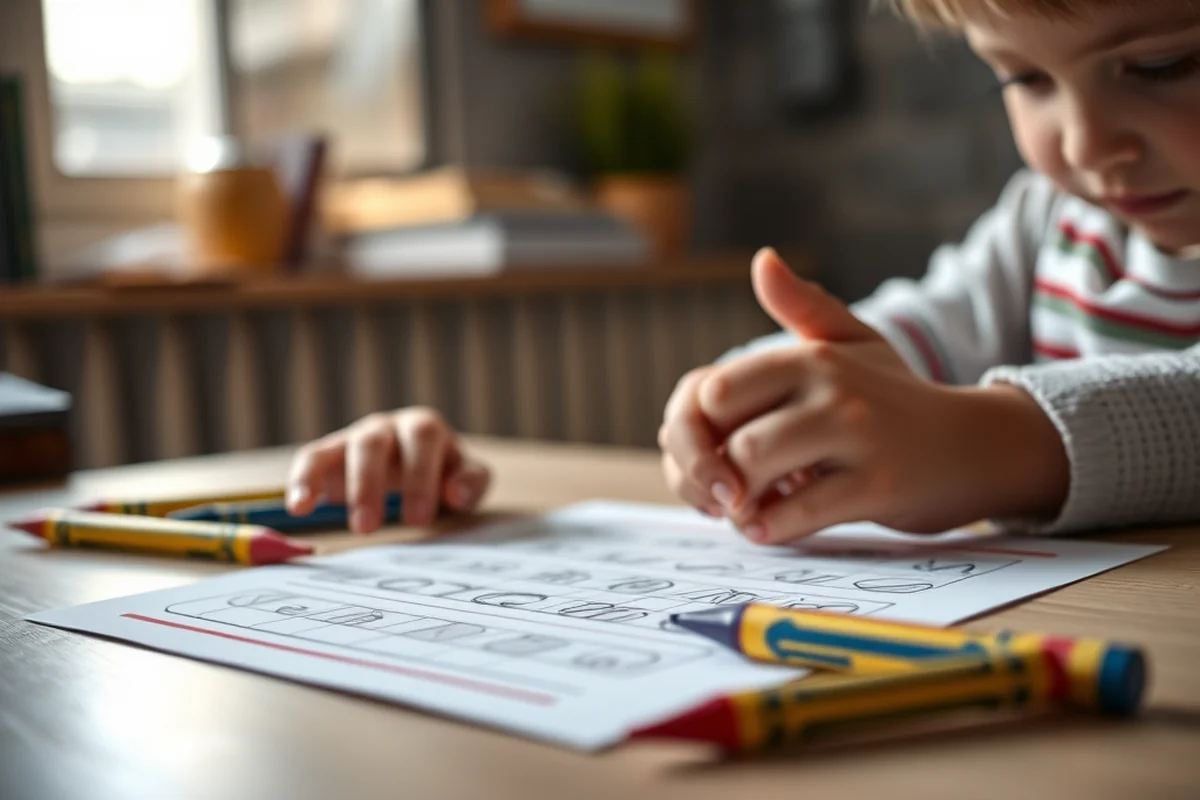
I designed my handwriting lesson plans schedules printable to be flexible enough for a home school setting and structured enough for a classroom. Each week includes a mix of tracing, writing, and creative tasks that build on each other.
One effective strategy is to alternate between practice sheets and drawing activities. For example, one day could focus on tracing letters, while the next day involves creating a picture with specific letters in it.
I’ve found that incorporating short, 10-minute sessions throughout the day helps maintain attention and reduces frustration. This approach has worked well with both my kids and students, especially those with ADHD or sensory sensitivities.[3]
Consistency builds skill, but variety keeps it fun.
Related: Handwriting practice lesson that actually work
Making Handwriting Practice Fun and Engaging
I’ve learned that the key to success is turning handwriting into an interactive game. For example, I use printable worksheets that look like treasure maps or puzzles, where kids write letters to uncover a hidden message.
Another strategy I’ve used is to integrate storytelling with writing. Children love to write letters that spell out their favorite book titles or create their own stories using specific letter shapes.
In my classroom, I’ve seen how much more enthusiastic students are about writing when they get to create their own characters and draw them on the page. This method keeps them motivated and makes learning feel like an adventure.
Use themed worksheets, like animals or holidays, to make practice more exciting and relevant to children’s interests.
“I remember the first time I watched my 5-year-old struggle with the letter 'S.' Her pencil was stiff, her grip too tight, and the lines…”— Writeitneat editors
Related: How to handwriting practice plans
The Science Behind Effective Handwriting Practice
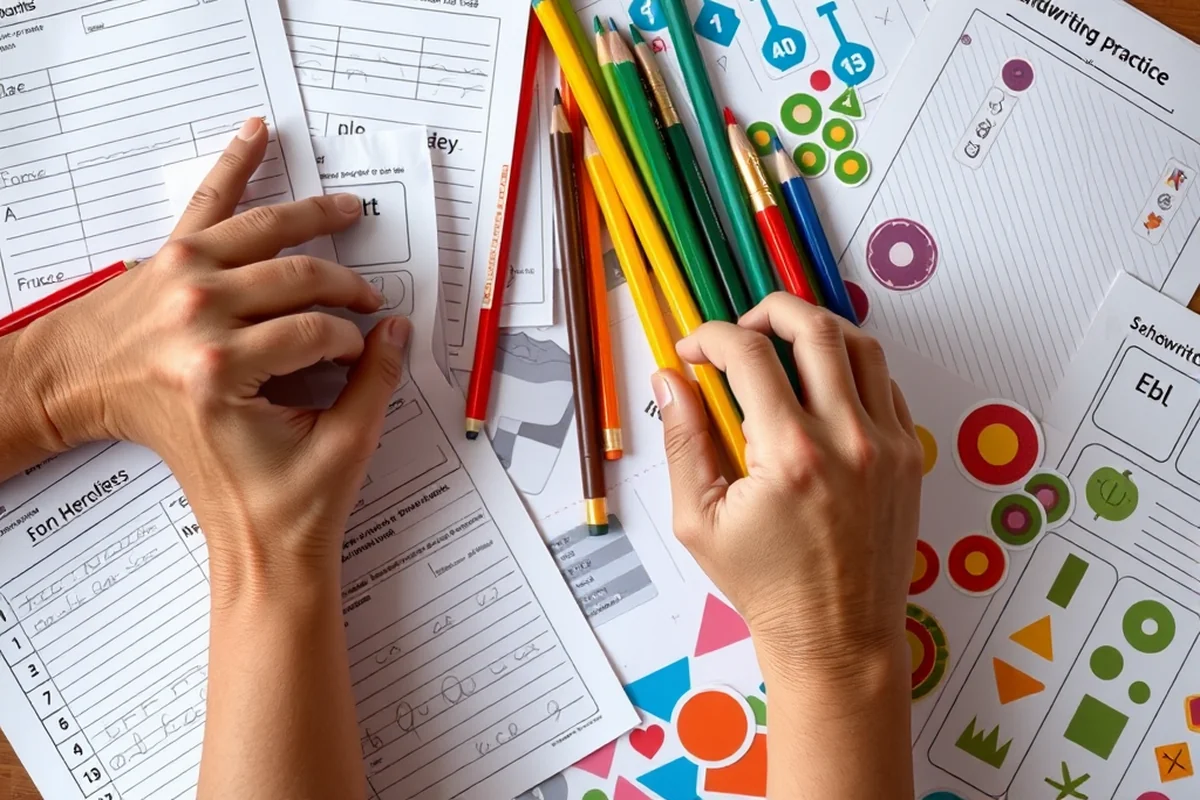
I’ve always believed that handwriting is more than just a skill—it’s a gateway to learning. Research supports this, showing that writing by hand enhances memory retention and cognitive development in children.[4]
In my own experience, students who consistently practiced handwriting showed better spelling and reading skills. One student, for example, went from struggling to write her name to writing full sentences in just a few months.
The act of forming letters with a pencil helps with fine motor control and hand-eye coordination. These are critical skills that support learning across all subjects, not just language arts.
Related: Easy handwriting practice lesson
Using Technology to Enhance Handwriting Practice
I’ve found that digital tools can complement handwriting practice when used in moderation. For example, using a tablet or app to trace letters with a stylus can help reinforce proper letter formation before moving to paper.
One of the best uses of technology I’ve seen is with interactive writing apps that provide instant feedback on letter shape and spacing. This is especially helpful for children who struggle with motor control.
However, it’s important to balance screen time with traditional paper-based practice. I always recommend using technology as a supplement, not a replacement, for handwriting activities.
✍️ Preschool Handwriting Practice
Focus on large motor skills and letter recognition with simple tracing and drawing activities.
📚 Early Elementary Handwriting
Build on basic letter formation with structured practice and themed worksheets for ages 6-8.
📎 No-Prep Handwriting Activities
Quick, ready-to-use printables that require no cutting or preparation—perfect for busy parents and teachers.
👥 Group Handwriting Practice
Designed for classrooms or co-ops, with activities that promote teamwork and shared learning.
🎨 Handwriting Extension Activities
Creative extensions like storytelling, drawing, and letter games that reinforce learning in fun ways.
| The mistake | Why it happens | The fix |
|---|---|---|
| Skipping the warm-up activities | Without proper warm-ups, children may struggle with fine motor control and letter formation. | Always begin with simple tracing or finger exercises to prepare hands and minds for writing. |
| Using too many worksheets at once | Overloading children with too much paper work can lead to frustration and disengagement. | Limit the number of worksheets per session and incorporate movement or drawing activities between practice sheets. |
| Ignoring the child’s learning style | Not adapting to a child’s preferences can reduce motivation and slow progress. | Use a mix of visual, auditory, and kinesthetic activities to cater to different learning styles. |
| Focusing only on letter formation | Handwriting involves more than just shaping letters—it includes spacing, direction, and consistency. | Balance practice with activities that teach letter spacing, slant, and overall writing structure. |
Related: Budget handwriting practice lesson
Handwriting Practice Lesson Plans Schedules Printable
Related: Handwriting practice lesson plans schedules on a budget
Integrating Handwriting Practice with Other Subjects
I've noticed that integrating handwriting practice with other subjects not only reinforces writing skills but also deepens understanding of the content being studied. For example, when teaching about the solar system in science class, I have students write short paragraphs describing each planet. This not only practices handwriting but also encourages them to recall and apply what they've learned about the planets. I use lined paper with specific margins to keep their writing neat and consistent.
In math class, I have students write out their solutions to problems in a dedicated notebook. This helps them organize their thoughts and also improves their legibility, making it easier for both the teacher and the student to review their work later. I often use graph paper for math problems so that the numbers are aligned properly and the handwriting remains clear. This dual-purpose practice makes handwriting more than just a skill—it becomes a tool for learning.
I also use handwriting in language arts by having students write short stories or journal entries after reading a book. This reinforces vocabulary, grammar, and creative expression while also working on writing mechanics. I find that when students see the connection between handwriting and their other subjects, they're more motivated to practice and improve their writing skills. It's a win-win for both handwriting development and academic growth.
Creating a Supportive Environment for Long-Term Handwriting Success
Establishing a supportive environment is just as important as the activities you choose for handwriting practice. In my experience, students are more likely to engage when they feel safe and encouraged. I've created a ‘handwriting corner’ in my classroom with comfortable seating, soft lighting, and a variety of tools like erasable boards and dry-erase markers. This space became a hub for independent practice and peer collaboration. Students would often gather there during free time, reinforcing skills through informal play.
I also made it a point to celebrate progress, no matter how small. At the end of each month, I would display student work in a dedicated section of the classroom wall, using phrases like ‘Letter Formation Champion’ or ‘Consistent Line User.’ This recognition didn't just boost morale but also reinforced the value of handwriting in their learning journey. I’ve noticed that students who see their work displayed are more motivated to improve and take pride in their writing.
To ensure consistency, I communicated regularly with parents about the importance of handwriting practice at home. I provided them with simple activities, like tracing letters in the grocery store or writing notes for family members. These small, everyday interactions helped reinforce what we were working on in class. By creating a partnership between home and school, I saw a more consistent development of handwriting skills. Over time, students who once struggled with writing became more independent and confident in their abilities.
Common Questions
How long should each handwriting practice session be?
Can these lesson plans be used with multiple children at once?
Do I need any special equipment to use these resources?
Are the printable lesson plans customizable?
References
- Workshop Lesson Plans - Blogs@Baruch - CUNY (blogs.baruch.cuny.edu)
- For Kids | Chesterfield County, VA (chesterfield.gov)
- Planning - Decal.Ga.Gov (decal.ga.gov)
- Child and Family Center Curriculum - Great Basin College (gbcnv.edu)
Cite this guide
Writeitneat (2026). Handwriting Practice Lesson Plans Schedules Printable. https://writeitneat.com/handwriting-practice-lesson-plans-schedules-printable/
Feel free to cite or share this guide.
Handwriting Worksheet Maker
Type a name or a word list and get a printable tracing worksheet in print or cursive style.
Open it free →