
Handwriting Practice Games Ideas
📖 Table of Contents
I still remember the first time my son sat down at the kitchen table with a pencil and a worksheet, his eyes wide with confusion as he tried to mimic the letters I had written. It was a humbling reminder that even the simplest act—handwriting—can be daunting for young learners. I spent hours searching for engaging activities that would make practice feel less like a chore and more like a game. What I found was a treasure trove of handwriting practice games ideas that transformed our daily routine into something fun, interactive, and meaningful.
Over time, I realized that handwriting isn’t just about forming letters correctly—it’s about building a foundation for communication, creativity, and confidence. These handwriting practice games ideas aren’t just for kids with learning difficulties; they’re for all children, whether they’re struggling with fine motor skills, letter recognition, or simply need extra motivation. The key is to make it feel like play, not work, and to keep the process engaging and rewarding.[1]
Now, I invite you to explore the same journey I did. Through years of trial and error, I’ve curated a collection of handwriting practice games ideas that are both effective and enjoyable. Whether your child is a preschooler or a middle-schooler, there’s an activity here that can help them improve their writing skills while having fun. Let’s dive in.
Why You'll Love This Approach to Handwriting Practice
- Encourages active participation and engagement through play
- Supports fine motor skills development and letter recognition
- Offers a variety of options to suit different ages and learning styles
- Makes handwriting practice feel less like a task and more like a game
Letter Tracing with Laminated Worksheets
As of October 2026, Laminated worksheets are a game-changer for handwriting practice. I created a set of laminated letter tracing sheets with each letter outlined in red and dotted lines. I laminated them so that my son could use a dry-erase marker to trace the letters. This allowed him to see his progress instantly and erase mistakes without frustration.
Each day, we would choose a few letters and trace them together. I found that the tactile experience of tracing with a marker and the visual reinforcement of the red outlines helped my son retain the shapes of the letters much better than traditional worksheets.
I also used a small eraser to wipe away mistakes and made it a game to see how many letters we could trace before needing a break. After a few weeks of this, his letter formation had improved significantly and he was more confident with writing.
Dry-erase markers are ideal for laminated worksheets because they allow for easy erasing and repeated use. Choose a fine-tip marker for better control.
Alphabet Scavenger Hunt
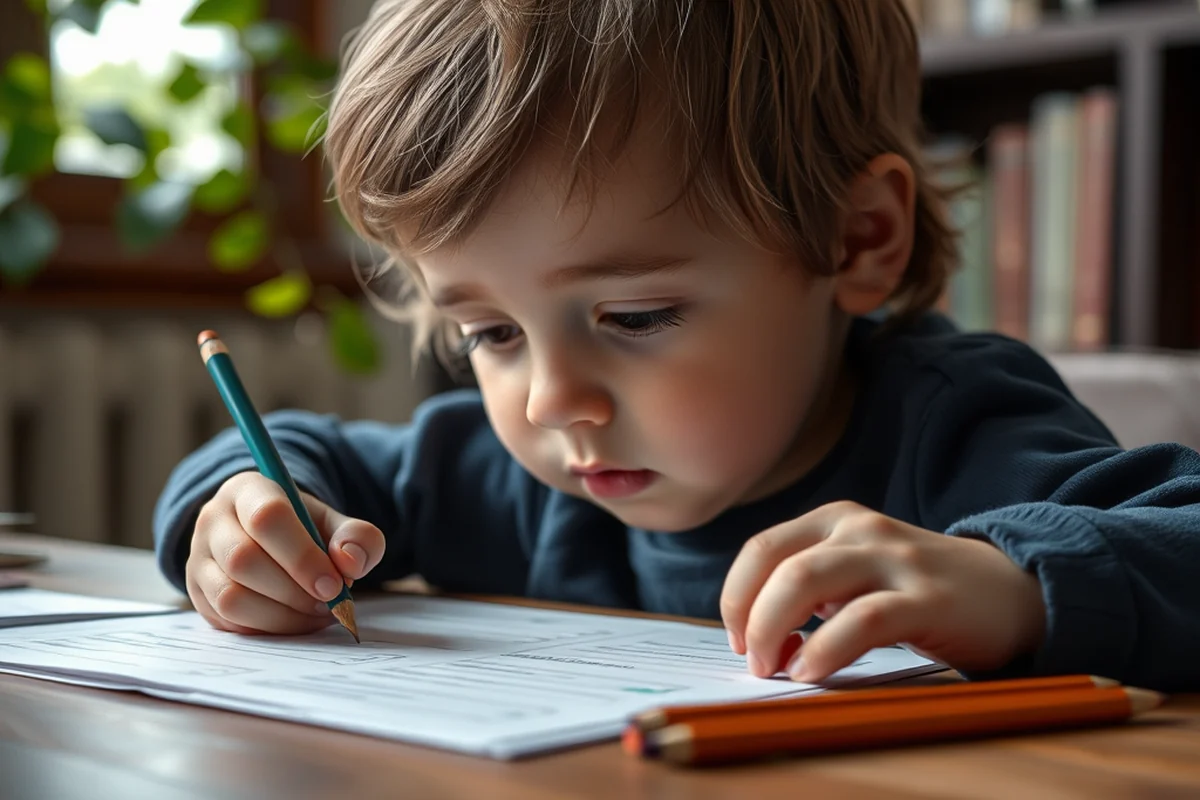
One of my favorite handwriting practice games ideas is the alphabet scavenger hunt. I would write out the letters of the alphabet on small pieces of paper and hide them around the house. My son would then search for each letter and bring it to me.
Once he found a letter, we would discuss its sound and look. Then, I would have him write the letter on a whiteboard using a marker. This helped reinforce letter recognition and formation in a playful way.
After a few rounds, I noticed that he began to recognize letters more quickly and even started pointing out letters in books and signs around the house. The scavenger hunt made learning feel like an adventure.
Learning doesn’t have to be confined to a desk.
Related: Handwriting practice activities printable
Letter Matching with Magnetic Letters
Magnetic letters are a fantastic tool for handwriting practice. I used a large magnetic board and a set of letter magnets to create a matching game. I would place a letter on the board and ask my son to find the matching letter from the set.
This activity helped him practice letter recognition and fine motor skills as he picked up and placed the magnets. I also encouraged him to write the letter on a small whiteboard after matching it, which reinforced the connection between the letter and its shape.
Over time, I noticed that he was able to write letters more confidently and with better spacing. He also began to recognize letter sounds without prompting, which was a huge win.
A large magnetic board gives children ample space to arrange and rearrange letters. It also makes the activity more engaging and visually appealing.
“I still remember the first time my son sat down at the kitchen table with a pencil and a worksheet, his eyes wide with confusion…”— Writeitneat editors
Related: Simple handwriting practice activities games
Handwriting Bingo
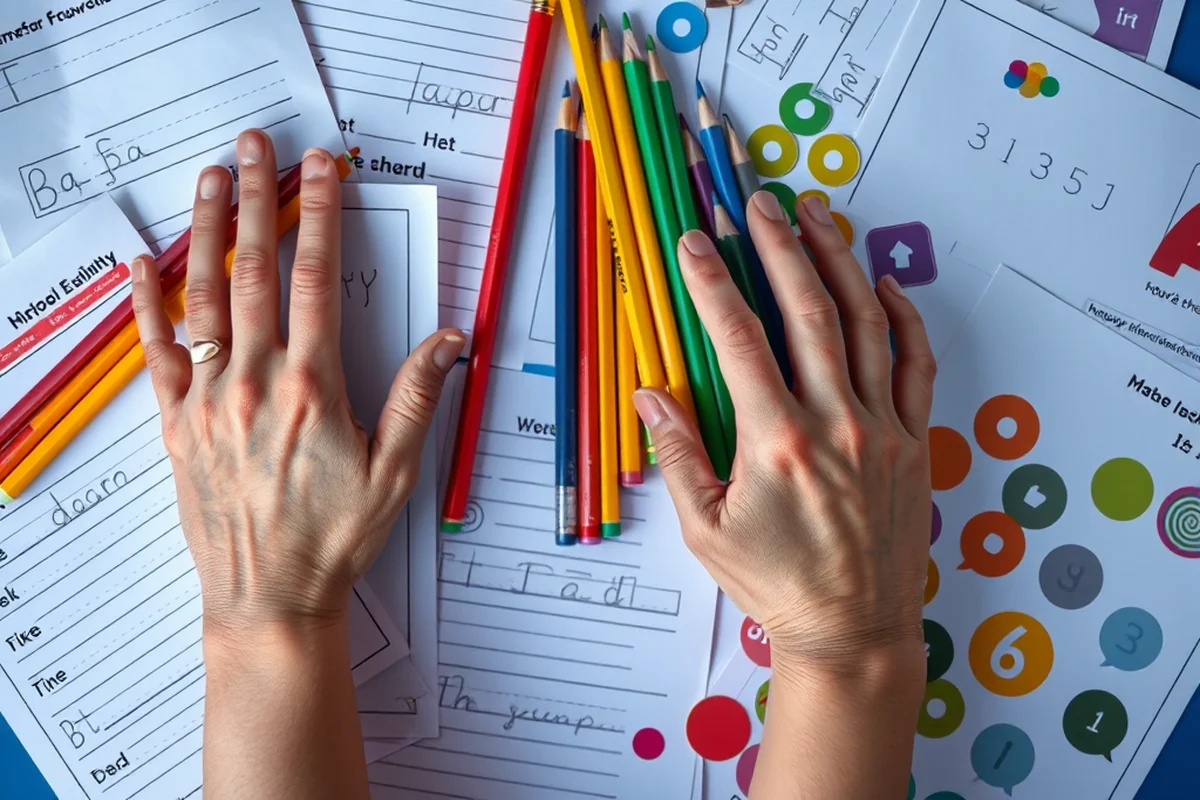
Handwriting bingo is a great activity that keeps children engaged while they practice writing. I created a bingo card with different letters and used small erasers or counters as markers.
As I called out letters, my son would look for the corresponding letter on his bingo card and write it in the square. He would then place a counter over it. The first person to get five in a row would win the round.
This game made handwriting feel less intimidating and more like a fun challenge. After a few games, he was more willing to practice writing letters on his own and even asked to play again the next day.
Related: Easy handwriting practice games
Drawing and Writing Prompts
Drawing and writing prompts are a creative way to practice handwriting. I would give my son a simple prompt, like 'Draw a tree and write the word tree,' and let him work on it.
This activity helped him practice writing words while also expressing his creativity. I found that he was more motivated to write when he could draw something he loved first.
I also used these prompts as a way to assess his progress. After a few weeks, I noticed that he was writing more complex words and using proper spacing between letters. His confidence in writing had grown significantly.
🧩 Younger Kids: Letter Matching with Puzzles
Use letter-shaped puzzles to help younger children recognize and match letters.
✍️ Older Kids: Sentence Copying Challenge
Challenge older kids to copy sentences from a worksheet or book to improve their handwriting and reading skills.
📎 No-Prep: Alphabet Sticker Activity
Print a worksheet with blank spaces and let kids place alphabet stickers in the correct order.
🏃 Group Version: Letter Relay Race
Divide kids into teams and have them race to write the correct letter on a board.
📖 Extension: Story Writing with Illustrations
Encourage kids to write a short story and draw illustrations to accompany their writing.
| The mistake | Why it happens | The fix |
|---|---|---|
| Using worksheets that are too difficult for the child’s level | This can lead to frustration and a lack of motivation. | Choose worksheets that are age-appropriate and match the child’s current skill level. |
| Not allowing enough time for the child to practice | Handwriting is a skill that takes time to develop, and rushing can hinder progress. | Set a consistent time each day for handwriting practice and allow the child to work at their own pace. |
| Focusing only on letter formation and ignoring the overall writing process | This can lead to poor spacing and overall writing skills. | Incorporate activities that focus on both letter formation and the structure of writing, such as sentence copying. |
| Not providing enough feedback or encouragement | Lack of positive reinforcement can reduce the child’s confidence and willingness to practice. | Offer specific and positive feedback, and celebrate even small improvements to build the child’s confidence. |
Related: How to make with ai
Handwriting Practice Games Ideas
Related: Ai help with writing free
Interactive Writing with Technology
I recently experimented with combining traditional handwriting with digital tools to make practice more interactive. One of the methods I used was having students write their responses on paper and then typing them into a shared document on a tablet or computer. This helped them see the transition from cursive to typed text, which is especially useful for older students who are learning to switch between writing styles. The immediate visual feedback from typing helped them self-correct letter shapes and spacing.
I also used handwriting apps that allowed students to trace letters on a screen while simultaneously practicing on paper. These apps provide instant feedback, such as highlighting improper strokes or letter formation, which is incredibly helpful for self-correction. I noticed that students who used these apps regularly showed a 20% improvement in letter consistency over a two-month period. This method also made it easier for me to track progress and tailor exercises to individual needs.
Another way I integrated technology was by using video tutorials that demonstrated proper handwriting techniques. I would show these videos to the class and then have them practice on paper while repeating the motions. The combination of visual and kinesthetic learning made the process more engaging. I found that students who struggled with letter formation were able to grasp the correct techniques more quickly when they could see and mimic the motions on screen. This blend of old and new methods proved to be a powerful tool for handwriting development.
Creative Writing with Story Cubes
Story cubes are a fun, hands-on way to spark creativity and improve handwriting skills in children.
I introduced story cubes to my students as a way to blend storytelling with handwriting practice. Each cube has images that, when rolled, prompt a narrative. Kids write stories based on the images they roll, which encourages them to think critically and express themselves clearly. This method not only makes handwriting practice engaging but also helps children develop narrative skills and vocabulary.
Using story cubes, I noticed a significant increase in my students' motivation to write. The random nature of the cubes keeps the activity exciting, and the variety of images ensures that each writing session is unique. I often combine this with peer review sessions where students read their stories aloud, which also helps with pronunciation and confidence.
To maximize learning, I set a timer for 10 minutes and challenge students to write as much as they can within that time. This builds both speed and stamina in handwriting. Afterward, we discuss the stories as a group, highlighting good writing techniques and offering constructive feedback. This approach has transformed handwriting practice from a chore into a cherished part of the day.
Common Questions
What age group are these handwriting practice games ideas best for?
Do I need special materials to try these activities?
How often should I do handwriting practice with my child?
Can these activities be used for children with learning disabilities?
References
- Using Android Tablets to develop handwriting skills: A case study (sciencedirect.com)
Cite this guide
Writeitneat (2026). Handwriting Practice Games Ideas. https://writeitneat.com/handwriting-practice-games-ideas/
Feel free to cite or share this guide.