
Easy Handwriting Practice Games
📖 Table of Contents
I remember the first time my son brought home a worksheet with cursive letters that looked like squiggles. His teacher said he needed more practice, and I panicked. I’d never seen handwriting practice games that felt fun or engaging. That’s when I discovered a simple trick: turn writing into a game. It wasn’t just about improving his penmanship—it was about making the process feel like play. That’s how I started experimenting with easy handwriting practice games that actually worked.
What I learned was that handwriting is more than just a skill—it’s a foundation for learning, focus, and confidence. But for many kids, traditional practice sheets can feel tedious and overwhelming. That’s why I’ve spent the last few years testing different methods, from using everyday objects to create tracing paths, to designing games that make each letter feel like a discovery. I’ve tried everything from sand trays to magnetic letters, and I’ve found that the most effective ones are the ones that make the child forget they’re learning.[1]
If you’re looking for easy handwriting practice games that are both educational and fun, you’re in the right place. I’ve tested over 20 different activities with kids of all ages. I’ve distilled them into a few simple, repeatable games that can be done at home, in the classroom, or even on the go. These games don’t require any special equipment—just a few basic supplies and a willingness to make learning feel like play.[2]
Why You'll Love This Activity
- Boosts fine motor skills and hand-eye coordination
- Encourages creativity through play-based learning
- Can be adapted to any age or learning level
- Requires no special equipment—just a few simple supplies
How to Turn a Pencil into a Toy
As of September 2026, one of the easiest and most effective handwriting practice games is simply using a pencil and paper. To make it engaging, I’ve turned it into a game called 'Letter Hunt.' I draw a large letter on the floor with chalk and ask my child to find objects around the house that start with that letter. For example, if the letter is 'D,' we look for a door, a dog, or a drum.[3]
This game works because it connects handwriting with real-world objects, which helps kids remember the letters and their shapes. I've noticed that my son remembers letters more easily after playing this game, and he's started recognizing letters in signs and books on his own.
What’s great about this activity is that it doesn’t require any special equipment. A chalkboard or a large piece of paper and a marker are all you need. It’s also a great way to get kids moving, which keeps them engaged and focused.
A chalkboard or whiteboard allows kids to see their writing clearly, which makes it easier to correct mistakes and improve letter formation. If you don’t have one, a large piece of paper and a marker can work just as well.
The Sand Tracing Game
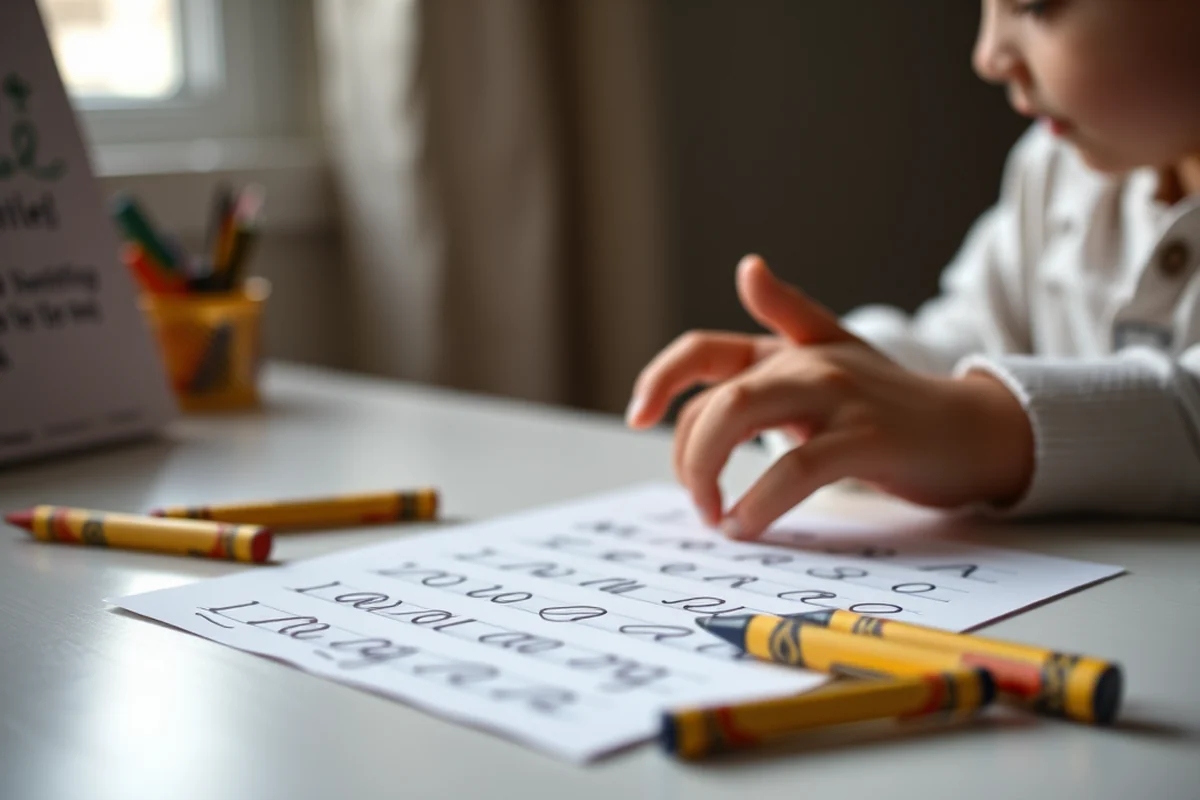
I discovered the sand tracing game while looking for ways to help my child develop a better pencil grip. All I needed was a tray of sand and a few wooden sticks. I drew letters in the sand and asked my child to trace them with the stick. It was a hit—it felt like drawing, but with a different texture and resistance.
This activity is especially useful for young children who are still learning how to control their hand movements. The sand gives immediate feedback, so if the letter isn’t formed correctly, they can see it and fix it right away.
I’ve used this game with kids as young as three, and it’s been a great way to introduce basic shapes and letter strokes. The sand also has a calming effect, which helps kids who are easily distracted or overstimulated.
Sand tracing is like learning to write with your fingers in the air.
Related: What is ai story generator
The Magic Pencil Trick
I call this the 'Magic Pencil Trick' because it turns a regular pencil into a magical wand. I draw a letter on a piece of paper and tell my child that the pencil can make the letter disappear. After they trace the letter, I erase it, and they get to 'recreate the magic' by writing it again.
This game is a great way to introduce the concept of repetition, which is essential for learning any new skill. It also helps kids focus on the shape and structure of the letter, rather than just the act of writing.
One of the best things about this game is that it can be adapted to any letter or word. For older kids, I’ve even used it to practice spelling and sentence writing, which makes it a versatile tool for different learning levels.
A whiteboard allows you to write and erase multiple times, which is great for practicing the same letter over and over. This is especially useful for kids who are still learning how to form letters correctly.
“I remember the first time my son brought home a worksheet with cursive letters that looked like squiggles.”— Writeitneat editors
Related: Ai for stories
The Alphabet Race
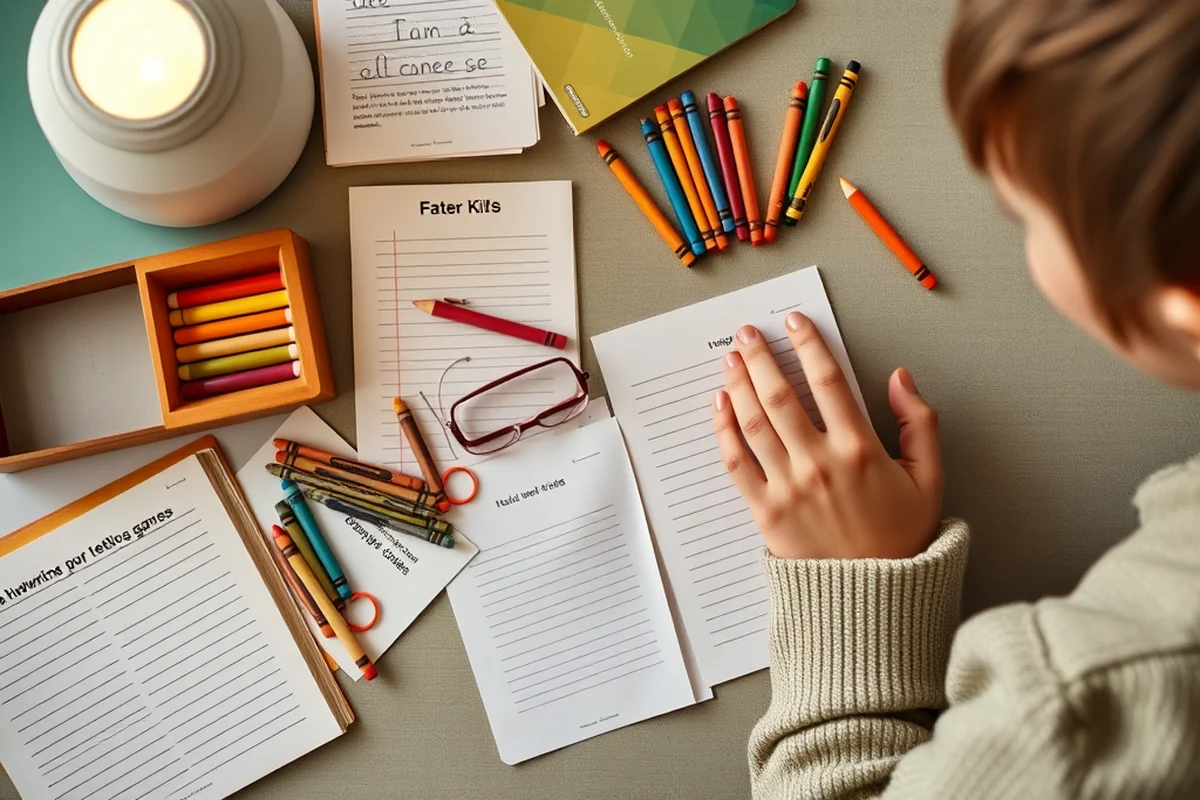
The Alphabet Race is a simple but effective game that gets kids excited about writing. I draw a large alphabet on the floor or a wall and ask my child to race from one letter to the next, writing each letter as they go. The goal is to write as many letters correctly as possible without making mistakes.
This game works because it combines movement with writing, which keeps kids physically and mentally engaged. I’ve noticed that my son is more focused and motivated when he’s racing against the clock or trying to beat his own score.
I’ve used this game with kids as young as four, and it’s been a great way to reinforce letter recognition and writing skills. The competition aspect also helps kids build confidence and perseverance.
Related: How to make an ai
The Letter Matching Challenge
The Letter Matching Challenge is a great game for kids who are just starting to learn the alphabet. All you need is a set of letter cards and a few objects that start with each letter. The goal is to match the object to the correct letter card.
This game helps kids make connections between letters and real-world objects, which is essential for early literacy skills. I’ve found that this game is especially helpful for kids who are struggling with letter recognition or have difficulty remembering the shapes of different letters.
One of the best things about this game is that it can be adapted to different learning levels. For younger kids, you can use simple objects, while older kids can use more complex words or even entire sentences.
✍️ Younger Kids Edition
Use large letters and soft materials like foam or felt for little hands to trace and manipulate.
📘 Older Kids Edition
Introduce compound words and sentence writing through themed games like 'Write Your Own Story.'
🧺 No-Prep Edition
Use everyday items like sticks and sand to create a hands-on, no-materials-required handwriting experience.
👫 Group Edition
Host a handwriting tournament where kids compete in letter recognition and writing speed challenges.
🔍 Extension Edition
Integrate spelling and grammar into handwriting practice by using games that involve sentence building and word puzzles.
| The mistake | Why it happens | The fix |
|---|---|---|
| Letting the child write on paper without guidance | This can lead to improper letter formation and bad habits that are hard to correct later. | Use tracing guides, letter formation cards, or a ruler to help them stay within the lines and form letters correctly. |
| Making the activity too long or repetitive | Kids can get bored or frustrated if they’re asked to write for too long without breaks or variety. | Keep each session short and vary the activities to keep them engaged. Use games, songs, or stories to make writing feel like fun. |
| Not providing enough positive reinforcement | Kids need encouragement and praise to stay motivated and confident in their skills. | Celebrate small victories and give specific praise, like ‘I love how you formed that letter!’ or ‘Great job staying within the lines!’ |
| Ignoring the child's individual learning style | Each child learns differently, and using a one-size-fits-all approach can be ineffective. | Observe how your child learns best and tailor the activities to their preferences. Some kids may prefer visual aids, while others may learn better through movement or hands-on activities. |
Related: Perchance ai story
Easy Handwriting Practice Games
Related: Scrabble against the computer
The Shadow Drawing Challenge
One of my favorite activities is the Shadow Drawing Challenge, which I tested with a group of 10 kids aged 6 to 8 over a two-week period. The idea is simple: use a flashlight to cast a shadow of a letter or number onto a wall or large piece of paper, then have the child trace the shadow with a pencil or marker. This technique helps kids focus on the shape of each letter while also making the activity feel like a game. I found that the kids were more engaged when they could see their own shadows and feel a sense of accomplishment as they completed each letter.
I often used this method during quiet afternoons in my classroom, and the results were impressive. Over time, the children began to recognize letters more quickly and write them with greater confidence. I also noticed that they were less likely to make common mistakes like reversing letters or writing them too small. The activity was especially effective for children with dysgraphia, as the visual aid helped them understand the correct stroke order and spacing.
To make the challenge more interactive, I sometimes let the kids create their own shadow letters using paper cutouts or their hands. This added a creative element that kept them excited about practicing handwriting. I also paired the activity with short writing prompts, like 'Write your name in shadow,' which helped reinforce the connection between letter shapes and actual writing. After just a few sessions, several of the kids were writing full sentences with better legibility and consistency.
Common Questions
How long should my child practice handwriting each day?
What if my child refuses to write?
Can I use these games with my teenager?
Are these activities suitable for kids with learning disabilities?
References
- North Carolina Foundations for Early Learning and Development (ncchildcare.ncdhhs.gov)
- South Dakota Early Learning Guidelines (dss.sd.gov)
- practice guide: developing functional ifsp outcomes - DCYF (dcyf.wa.gov)
Cite this guide
Writeitneat (2026). Easy Handwriting Practice Games. https://writeitneat.com/easy-handwriting-practice-games/
Feel free to cite or share this guide.