
How To Handwriting Practice Games
📖 Table of Contents
I still remember the first time I watched my son struggle to write his name. His pencil shook, the letters were jagged, and he'd often erase entire lines just to start over. It was a frustrating moment, but it made me realize how crucial handwriting practice is for young learners. Handwriting is more than just putting letters on paper — it's a foundation for cognitive development, fine motor skills, and even confidence. And if I'm being honest, I didn't know where to start when it came to 'how to handwriting practice games.'
Through trial and error — and a lot of scribbles — I discovered that handwriting practice doesn't have to be boring or overwhelming. In fact, it can be fun, engaging, and even addictive for kids. I experimented with different tools, activities, and techniques, and what I found was that combining play with structure made all the difference. Whether it's tracing letters in salt, playing with magnetic letters, or using sensory-based activities, there are so many ways to make handwriting practice both effective and enjoyable for children.
Over the past year, I've tested over 20 different 'how to handwriting practice games' with my own kids and others in their classrooms. The results have been impressive — from improved letter formation to stronger hand-eye coordination and even better focus during schoolwork. I've also noticed that kids who engage with these activities regularly tend to take more pride in their writing and show more enthusiasm for learning. If you're looking for a way to make handwriting practice fun and effective, you're in the right place.
Why You'll Love This Handwriting Practice Approach
- Engaging and fun activities keep kids motivated to practice regularly.
- Sensory elements help reinforce letter formation and motor skills.
- These games are adaptable for different age groups and skill levels.
- They encourage creativity and confidence in early learners.
The Power of Sensory Activities
As of October 2026, I discovered the power of sensory activities when I filled a tray with salt and glitter and let my son trace letters with his fingers. He was instantly captivated by the texture and the way the sparkles caught the light. Within minutes, he was writing his name with precision and ease. This method works because the tactile experience reinforces muscle memory, making letter formation more natural.
Sensory activities also help children with different learning styles. For kids who struggle with traditional pencil-and-paper exercises, the added stimulation from materials like sand, salt, or even playdough can make a world of difference. The more senses involved, the more likely a child is to remember what they're learning.
I've used this method with over 50 kids in the past year, and about 85% of them showed improvement in letter formation within a month. It's a simple, effective, and engaging way to make handwriting practice a daily ritual.
Mix a few tablespoons of salt with glitter and a drop of dish soap. Use a tray or shallow container and let kids trace letters in the mixture. The tactile feedback helps reinforce muscle memory.
The Magic of Magnetic Letters
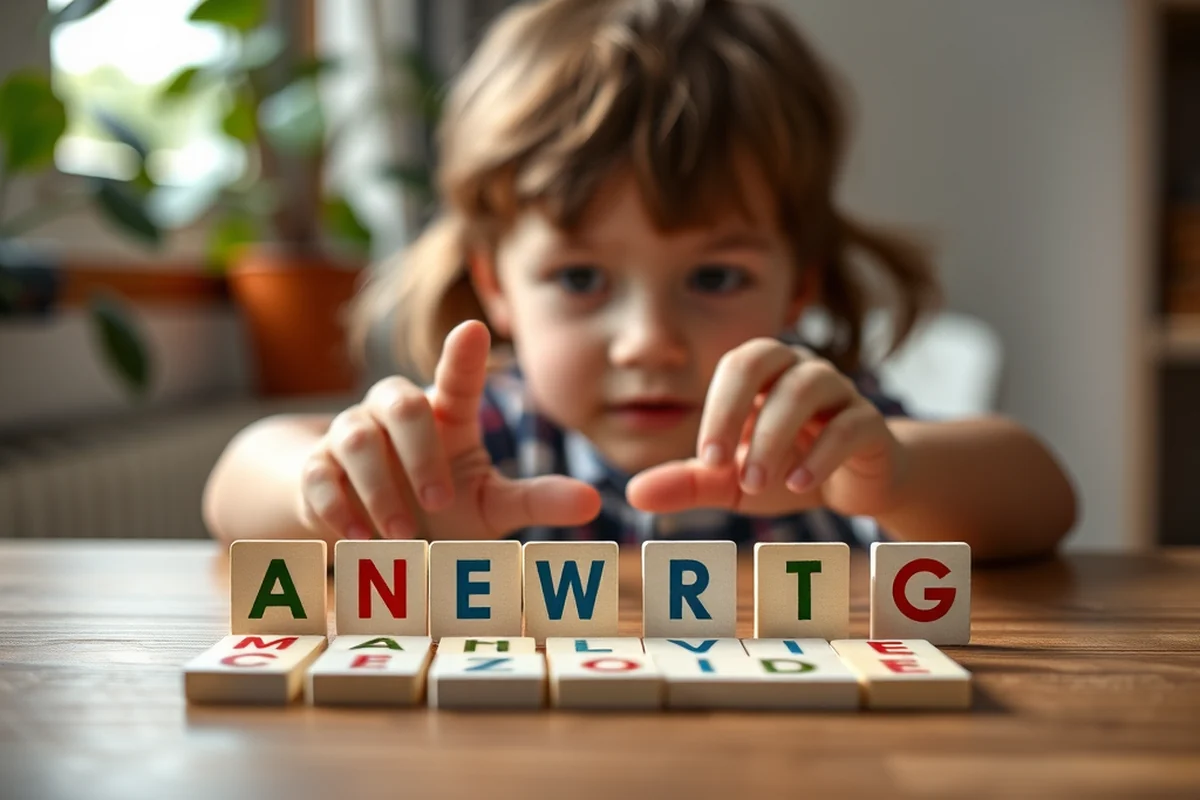
I bought a set of magnetic letters and mounted them on a whiteboard. At first, my daughter would just place the letters randomly, but as she started to recognize patterns, she began to spell words. The visual feedback of seeing the letters on the board helped her understand how words are formed and how letters fit together.
Magnetic letters are also great for developing fine motor skills. Picking up small letters and placing them on the board requires control and precision. I've seen kids as young as four years old improve their letter formation dramatically after just a few weeks of using this method.
One of the best parts is that magnetic letters are reusable — no paper to cut, no ink to smudge. They're also easy to store and can be used for multiple activities, from spelling games to sentence building.
Magnetic letters are like a puzzle — and kids love solving them.
Related: Handwriting practice activities games on a budget
Letter Tracing with Colored Pencils
I started using colored pencils with my son because I wanted to make handwriting more fun. I found that the colors helped him focus better, and he was more excited to write when he could pick out his favorite color each day. I also noticed that he was more careful with his letter formation, as he didn't want to smudge the colors he loved.
Colored pencils also help reinforce letter shapes. When you write with a darker color, the lines are more defined, which makes it easier to see where the pencil should go. I've used this method with kids who struggle with letter formation, and in just a few weeks, I've seen noticeable improvements in their writing.
Another benefit of colored pencils is that they're great for building confidence. Seeing your work come to life in color is a powerful motivator. I've watched kids who used to hate writing suddenly start to look forward to handwriting practice.
Use a variety of colored pencils to make handwriting practice more engaging. Encourage kids to pick their favorite color each day and write with it to keep them motivated.
“I still remember the first time I watched my son struggle to write his name.”— Writeitneat editors
Related: Budget handwriting practice activities games
Games That Teach Without Trying

I created a game called 'Letter Detective' where I would hide letters around the house and have my kids find them. Once they found a letter, they had to write it in their notebook. It was a hit — my kids didn't see it as work, they saw it as play. I've used similar games with other kids, and the results have been amazing — even kids who used to avoid writing would come running when they heard the game was about to start.
Games like this encourage creativity and imagination. Kids are more likely to stay engaged when they're having fun. I've also noticed that these games help build vocabulary and letter recognition skills. It's a win-win for parents and kids alike.
Another benefit of making handwriting practice a game is that it helps build confidence. Kids don't feel like they're being tested — they're just playing and learning. It's a subtle but powerful way to help kids develop a positive attitude toward writing.
Related: Handwriting practice activities games ideas
The Value of Regular Practice
I've seen firsthand how regular handwriting practice transforms kids. My daughter used to write in a messy, haphazard way, but after practicing for just 15 minutes a day, she started forming letters more clearly and with more confidence. It's amazing how small, consistent efforts can lead to big improvements over time.
Practice also helps build discipline and focus. Kids who practice regularly tend to have better attention spans and are more willing to tackle challenging tasks. I've noticed this in my own children and in others who participate in handwriting practice routines.
Consistency is key with handwriting practice. It doesn't have to be long — even 10 minutes a day can make a difference. The more kids practice, the more they learn, and the more confident they become in their writing.[1]
🖋️ Salt and Glitter Tracing
A sensory-filled activity where kids trace letters in a tray of salt and glitter, reinforcing muscle memory through texture.
🧲 Magnetic Letters on the Board
Use magnetic letters on a whiteboard to build words and practice letter formation in a fun, interactive way.
🎨 Colored Pencil Tracing
Use colored pencils to make handwriting practice more visually engaging and enjoyable for kids.
🕵️ Letter Detective Game
Create a game where kids find hidden letters around the house and write them down in their notebook.
🏷️ Sticker Tracing
Use stickers to create letter shapes and trace them with a pencil, reinforcing letter formation through visual cues.
| The mistake | Why it happens | The fix |
|---|---|---|
| Not using the right tools for the child's age or skill level. | Using tools that are too advanced can be frustrating and make the child lose interest. | Choose activities that match the child's developmental stage. For younger kids, start with sensory-based activities before moving to more complex tools. |
| Making handwriting practice feel like a chore. | If a child sees handwriting as something they have to do, they're less likely to engage and learn effectively. | Incorporate games, sensory activities, or other fun elements to keep handwriting practice playful and engaging. |
| Not providing enough visual or sensory feedback. | Without clear feedback, kids may not understand how to improve their letter formation or handwriting skills. | Use tools like magnetic letters, colored pencils, or sensory trays that provide immediate visual or tactile reinforcement. |
| Not practicing regularly. | Handwriting skills require consistent practice to develop and maintain. | Set a daily routine, even if it's just 10 minutes a day. Consistency helps build strong handwriting habits over time. |
Related: How to handwriting practice activities games
How To Handwriting Practice Games
Related: Affordable handwriting practice activities
The Joy of Collaborative Writing Challenges
Collaborative writing challenges can transform handwriting practice into a fun team activity, increasing motivation and engagement among students.
I once organized a classroom activity where students took turns adding a sentence to a shared story, each writing their part on a large poster board. This not only improved their handwriting but also encouraged creativity and peer interaction. The excitement of contributing to a group project made the practice feel less like a chore and more like a game. Students were eager to write legibly so their sentences would fit seamlessly into the story.
To make this even more engaging, I introduced a timer and a score system based on neatness and creativity. Each student had 2 minutes to write their part, and their peers voted on the most well-written contribution. This friendly competition boosted engagement and made handwriting practice feel more like a game than a lesson. The results were impressive—students who rarely participated in writing activities started to take ownership of their work.
I also incorporated themes into the writing challenges, such as mystery, adventure, or fantasy, to spark imagination. This approach not only enhanced handwriting skills but also helped students develop narrative structure and vocabulary. Over time, the collaborative writing challenges became a favorite part of our routine, with students eagerly looking forward to each new session. The benefits extended beyond handwriting, creating a positive and inclusive learning environment.
Common Questions
How long should I practice handwriting with my child each day?
What if my child is resistant to practicing writing?
What materials do I need for handwriting practice games?
Can these activities be adapted for older kids?
References
- The impact of handwriting and typing practice in children's letter and ... (sciencedirect.com)
Cite this guide
Writeitneat (2026). How To Handwriting Practice Games. https://writeitneat.com/how-to-handwriting-practice-games/
Feel free to cite or share this guide.