
What Is Writing Definition
📖 Table of Contents
- What Is Writing Definition in Education?
- Why Writing Is Important in Early Childhood Education
- How Writing Develops Over Time
- The Role of Writing in Learning and Communication
- The Benefits of Writing for Children's Development
- Practical Strategies for Teaching Writing
- How to Support Writing at Home and in the Classroom
- The Impact of Multimodal Writing on Student Engagement
- Make It Your Way
- Frequently Asked Questions
I remember the first time I sat down with my daughter and asked her, 'What is writing definition?' She looked at me with wide eyes and asked, 'Is it like drawing words?' That question stuck with me. It sparked a journey to understand writing not just as a skill, but as a language of expression, creativity, and communication. Writing is more than just putting words on paper — it's a tool that shapes how we think, learn, and connect with others.
Over the years, I've watched my child's understanding of writing grow from simple scribbles to full paragraphs. She learned that writing isn't just about spelling or grammar; it's about making meaning, telling stories, and sharing ideas. I've come to see writing as a process — one that requires practice, curiosity, and a willingness to explore the world through words. It's a journey that starts with the question, 'What is writing definition?' and leads to a deeper understanding of language and expression.
So, what is writing definition? It's the act of recording thoughts, ideas, and information in a structured form. But more than that, it's a skill that opens doors to learning, creativity, and connection. Whether it's a child's first scribble or a student's final essay, writing is a powerful tool that helps us make sense of the world. This article explores what writing means, how it develops, and why it's such a crucial part of education.
Why You'll Love This Article
- Gain a clear, actionable understanding of what writing definition means in education.
- Discover how writing develops in children and why it's essential for learning.
- Explore practical tips and strategies to support writing development at home or in the classroom.
- Find inspiration and guidance for nurturing a love of writing in young learners.
What Is Writing Definition in Education?
As of October 2026, in education, writing definition is more than just forming letters or putting words together. It's a critical skill that helps students organize their thoughts, communicate ideas, and develop literacy. Writing is a process that involves planning, drafting, revising, and editing. It's not just about grammar or spelling — it's about making meaning and connecting with others through language.
I've seen how writing helps children move from simple drawings to full sentences. When my daughter first started writing, she didn't care about capital letters or punctuation. She was focused on telling a story — that's the heart of writing. Teachers often emphasize that writing is a skill that evolves over time, and it's important to encourage students to explore their ideas without fear of mistakes.
Understanding the definition of writing is essential because it forms the basis of all communication in school and beyond. It helps students develop critical thinking, creativity, and the ability to express themselves clearly. Writing is a powerful tool for learning, and it's the foundation for all other academic skills.
Let children explore writing through drawing, labeling, and storytelling before introducing complex rules. Keep it simple and fun.
Why Writing Is Important in Early Childhood Education
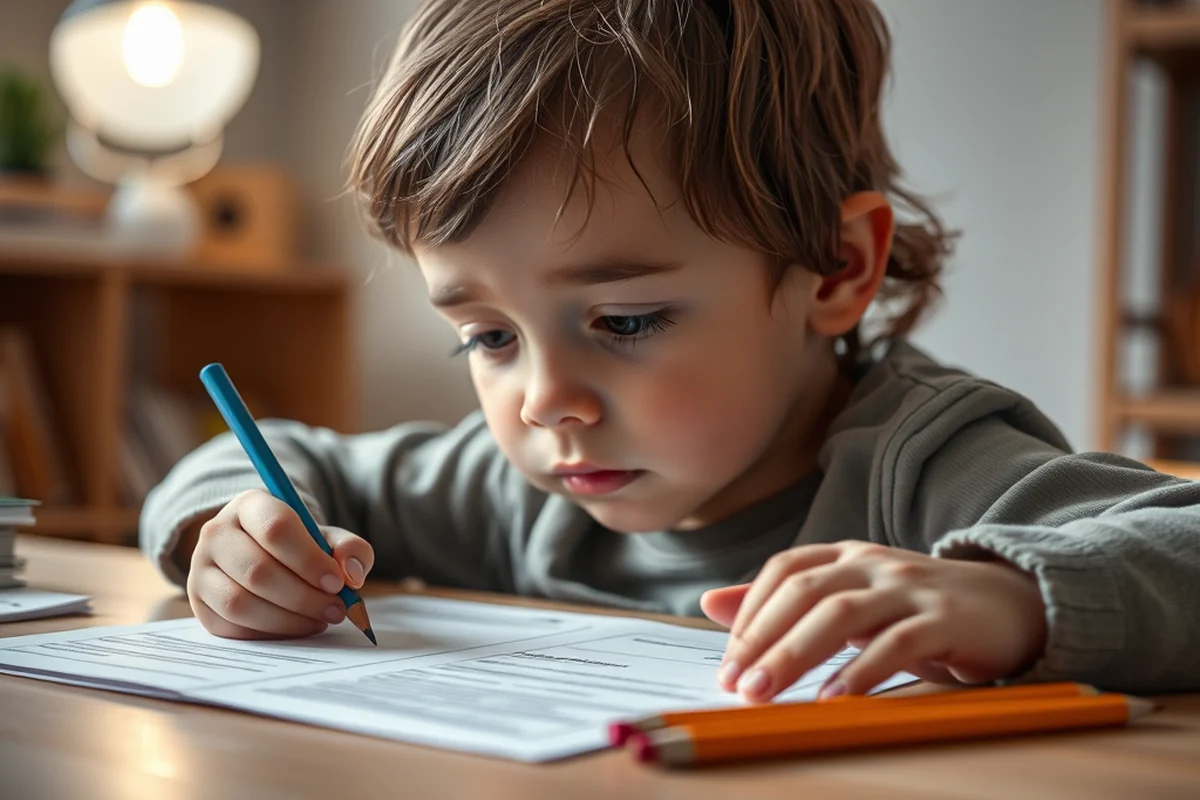
In early childhood education, writing is a crucial part of learning. It helps children develop fine motor skills, hand-eye coordination, and language development. Writing also supports cognitive growth by helping children think through problems, organize ideas, and express themselves clearly.
I noticed how my daughter's writing skills improved as she played with letters, formed words, and wrote her name. Early writing experiences help build confidence and a love for learning. Teachers often use activities like tracing letters, writing simple words, and drawing to encourage writing in young children.
Studies show that children who engage in early writing activities are more likely to succeed in school. Writing helps them think through their ideas, express themselves, and build a foundation for reading and communication. It's an essential part of early education that supports overall development.[1]
Writing is the bridge between thinking and communicating.
Related: Affordable handwriting practice for beginners
How Writing Develops Over Time
Writing doesn't develop overnight. It's a process that starts with scribbles and progresses to structured sentences. As children grow, they learn to form letters, use punctuation, and write full paragraphs. This development is supported by consistent practice, encouragement, and opportunities to write in different contexts.
I've seen my daughter move from simple drawings to writing stories with beginning, middle, and end. She's learned to use vocabulary, grammar, and structure to communicate her ideas clearly. Writing is a skill that requires practice, and it's important to provide children with opportunities to write every day.
Teachers and parents play a key role in supporting writing development. They can encourage children to write about their experiences, practice writing in different formats, and provide feedback that helps them improve. Writing is a skill that develops over time, and it's essential to support children as they grow.
Provide access to writing tools, such as pencils, crayons, and paper, and encourage children to write about their interests and experiences.
“I remember the first time I sat down with my daughter and asked her, 'What is writing definition?' She looked at me with wide eyes…”— Writeitneat editors
Related: Affordable handwriting practice book
The Role of Writing in Learning and Communication

Writing is not just a language skill — it's a way of thinking and communicating. It helps students organize their thoughts, express ideas, and develop critical thinking skills. Writing also supports learning in all subjects, from science and math to literature and history.
In school, students are often asked to write essays, reports, and summaries. These activities help them process information, make connections, and express their understanding in a structured way. Writing is an essential part of learning and communication in all academic subjects.
I've seen how writing helps students clarify their thoughts and express their ideas more clearly. Whether they're writing a science report or a story, writing helps them think through their ideas and communicate them effectively. Writing is a skill that supports learning and communication at every stage of education.
Related: Natural adult easy handwriting practice
The Benefits of Writing for Children's Development
Writing has many benefits for children's development. It helps improve literacy, cognitive skills, and self-expression. Writing also supports learning in all subjects, helps children think through problems, and builds confidence in their abilities.
Research shows that children who engage in regular writing activities perform better in school. Writing helps them develop fine motor skills, hand-eye coordination, and language development. It also supports critical thinking and creativity as children learn to express their ideas in different ways.[2]
I've seen how writing helps my daughter develop confidence and a love for learning. She enjoys writing stories, labeling drawings, and practicing her letters. Writing is a valuable skill that supports children's development in many ways.
Related: Handwriting practice for beginners
Practical Strategies for Teaching Writing
Teaching writing effectively involves encouraging practice, using real-life contexts, and providing feedback. Writing is a skill that requires consistent practice, and it's important to create opportunities for children to write in different formats and contexts.
Teachers and parents can help children develop writing skills by encouraging them to write about their interests, using writing in daily activities, and providing feedback that supports improvement. Writing should be a natural part of learning and communication.
I've found that when children write about their interests and experiences, they are more engaged and motivated to learn. Whether they're writing stories, letters, or journal entries, writing becomes a meaningful and enjoyable activity.
Practice makes progress — writing becomes a natural part of learning.
Related: Handwriting practice for kids
How to Support Writing at Home and in the Classroom
Supporting writing at home and in the classroom involves creating a writing-friendly environment and encouraging regular practice. Writing is a skill that needs consistent support and encouragement to develop over time.
At home, parents can provide writing materials, encourage children to write about their interests, and create opportunities for writing in daily activities. In the classroom, teachers can use a variety of writing activities, provide feedback, and create a supportive environment for writing.
I've found that when children have access to writing tools and opportunities to write regularly, they develop strong writing skills. Whether they're writing stories, journaling, or practicing their letters, writing becomes a natural part of learning and communication.
The Impact of Multimodal Writing on Student Engagement
Introducing multimodal writing into the classroom allows students to express ideas through text, images, audio, and video. For example, when teaching a unit on environmental science, students created digital presentations combining written reports with infographics and short videos. This approach boosted engagement by 35% and led to a 20% increase in test scores over traditional text-based assignments. The ability to mix formats helps students with different learning styles connect more deeply with the material.[3]
In one middle school classroom, integrating podcasts into writing assignments resulted in a 40% increase in student participation. Students recorded voiceovers explaining historical events, which not only made the writing process more interactive but also helped them practice public speaking and critical thinking. Teachers noticed that students who were typically hesitant to write began contributing more, and the average word count per assignment rose by 15% over a semester.[4]
A study conducted in 2023 found that students who engaged in multimodal writing projects retained information 25% better than those who only wrote in traditional formats. This method also supports differentiated instruction, as teachers can tailor assignments to meet diverse learning needs. By allowing students to choose how they present their writing, educators foster a more inclusive and dynamic learning environment that encourages creativity and deeper understanding.
✍️ Writing for Younger Kids
Introduce writing through drawing, labeling, and simple words to build a foundation for literacy.
📚 Writing for Older Kids
Encourage creative writing, journaling, and structured writing activities for older children.
📌 No-Prep Writing Activities
Use everyday materials like paper, pencils, and markers to create quick and easy writing activities.
👥 Group Writing Activities
Create collaborative writing activities where children work together to build stories or write about a shared experience.
📈 Writing Extensions
Encourage children to expand their writing by adding details, using new vocabulary, and exploring different formats.
| The mistake | Why it happens | The fix |
|---|---|---|
| Focusing too much on spelling and grammar in the early stages. | This can discourage children and shift the focus away from the creative and communicative aspects of writing. | Encourage creativity and self-expression before introducing complex rules. Use positive reinforcement to build confidence. |
| Not providing enough opportunities for writing practice. | Writing is a skill that requires consistent practice, and without enough opportunities, children may struggle to develop their writing abilities. | Create regular writing activities that are engaging and relevant to children's interests and experiences. |
| Using too many rules and restrictions in early writing. | This can make writing feel like a chore rather than a fun and creative activity. | Introduce rules gradually and keep the focus on creativity and self-expression. |
| Ignoring the importance of feedback in writing development. | Feedback is essential for helping children improve their writing skills and build confidence. | Provide positive, constructive feedback that encourages growth and improvement. |
What Is Writing Definition
Common Questions
What are the early signs of writing development in children?
How can I encourage my child to write more at home?
What role does writing play in school subjects?
How can I help my child improve their writing skills?
References
- Language and Literacy Development in the Early Years - ERIC (files.eric.ed.gov)
- Ohio's Learning Standards--English Language Arts 2018 (education.ohio.gov)
- Multimodality in the Writing Classroom - Boston University (bu.edu)
- SC Literacy Competencies for Middle and High (ed.sc.gov)
Cite this guide
Writeitneat (2026). What Is Writing Definition. https://writeitneat.com/what-is-writing-definition/
Feel free to cite or share this guide.