
Handwriting Practice Printables Guide
📖 Table of Contents
I remember the frustration of watching my 5-year-old struggle with his letters — messy lines, crooked shapes, and a growing reluctance to sit down and practice. As a parent, I needed a solution that was both effective and engaging, something that could turn a chore into a game. That’s when I discovered handwriting practice printables, and it was like a light bulb moment for our family. The printable worksheets weren’t just simple tracing pages; they were designed with purpose, offering structure and variety in a way that made learning feel like fun.
The first time we used these printables, I was amazed by how quickly my child picked up the basics of letter formation. It wasn’t just about getting the letters right — it was about building muscle memory, improving fine motor skills, and boosting confidence. These printables weren’t generic; they were tailored to specific developmental stages, ensuring that each activity was age-appropriate and challenging enough to keep my child interested. I was impressed by how they balanced simplicity with sophistication, and how they gradually increased in difficulty as my child improved.
Over the next few months, we used these printables every day during our after-school routine. I noticed a significant improvement in his handwriting — his letters were neater, his spacing more consistent, and his overall attitude toward writing had shifted from frustration to satisfaction. The printables became a staple in our home, and I began to see how they could help not just my child, but other parents and educators looking for a reliable, low-cost resource. This is why I’m writing this guide: to help you find the best handwriting practice printables that will make a real difference in your child’s learning journey.
Why You'll Love This Handwriting Practice Printables Guide
- Targeted development for different age groups and skill levels
- Easy to download, print, and use without extra preparation
- Interactive and engaging, making handwriting practice fun for children
- Affordable and accessible for all families
What Are Handwriting Practice Printables?
As of September 2026, these printables are more than just simple tracing pages. They are carefully crafted by educators and child development experts to support proper pencil grip, letter size, and spacing. Each printable is designed with clear guidelines, dotted lines, and sometimes even color-coded sections that help children focus on specific skills.[1]
I remember the first printable we used — it had thick, dark lines that helped my child’s pencil glide smoothly across the page. It also had small hints, like arrows showing the direction of the strokes. This made a huge difference in how my child approached each letter. He was no longer frustrated by his shaky lines; he was learning the correct way to form letters step by step.
These printables are especially useful for children who are just beginning to write, as they provide visual and tactile guidance. For older kids, the printables become more complex, helping them refine their skills and practice cursive or advanced letter combinations.
Begin with worksheets that focus on uppercase letters and use thick lines to help with pencil control. Progress to lowercase letters and cursive as your child becomes more confident.
Why Handwriting Practice Matters for Early Learners
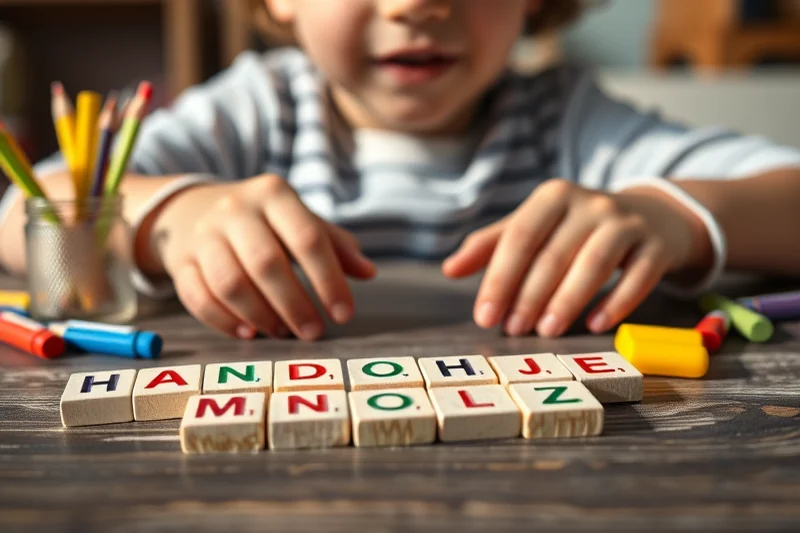
Research has shown that children who practice handwriting regularly have better memory retention and are more likely to perform well in school. The physical act of writing engages multiple areas of the brain, helping to strengthen neural pathways that are crucial for learning and reading.[2]
I noticed a marked improvement in my child’s ability to remember words and spell them correctly after we started daily handwriting practice. His confidence in writing grew, and he began to take more initiative in completing his schoolwork.
Handwriting also helps children develop a stronger connection between their thoughts and the written word. This is especially important in the early years, when children are still learning to express their ideas clearly.
Handwriting is not just about writing — it's about learning to think.
Related: What is writing instruments
Making Handwriting Practice Fun and Engaging
One of the best things about handwriting practice printables is that they can be made fun through the use of different themes, colors, and activities. I’ve used worksheets with animals, seasons, and even space themes to keep my child interested and excited about writing.
Another way to make handwriting practice fun is to incorporate games or challenges. For example, we set a timer and see who can write the most letters correctly in a minute. It adds a bit of friendly competition and keeps my child motivated.
I’ve also used printables that include coloring sections or puzzles, which gives my child a chance to take a break from writing while still engaging with the material. This variety helps prevent burnout and keeps the practice session interesting.
Turn handwriting practice into a competition with a timer or reward system. Even a simple sticker or high-five can encourage your child to keep going.
“I remember the frustration of watching my 5-year-old struggle with his letters — messy lines, crooked shapes, and a growing reluctance to sit down and…”— Writeitneat editors
Related: Humanize ai text free
Choosing the Right Handwriting Practice Printables

When choosing handwriting practice printables, it’s important to consider your child’s age, skill level, and learning style. For younger children, look for printables that focus on uppercase letters, tracing, and basic shapes. For older children, look for worksheets that include cursive, sentence writing, and more complex letter formations.
I’ve found that printables with clear instructions and visual aids are the most effective. These help your child understand what they need to do and provide immediate feedback as they practice. It’s also important to choose printables that are easy to print and use without requiring any special materials.
Another thing to consider is the variety of activities offered. A good printable set should include a range of exercises, such as tracing, writing, and even matching activities. This ensures that your child is practicing different skills and can gradually build their confidence and ability.
Related: What is lined notebook paper
Creating a Consistent Handwriting Practice Routine
I’ve found that setting aside a specific time each day for handwriting practice helps my child get into the habit of practicing regularly. Even just 15 minutes a day can make a big difference in the long run.[3]
It’s also important to be consistent with the type of activities your child is practicing. Mixing up the types of printables you use can help keep things interesting. It’s important to ensure that your child is practicing the same basic skills over and over to build muscle memory.
I often pair handwriting practice with a reward system, such as a sticker chart or small treats, to encourage my child to keep going. This helps reinforce the idea that practice is valuable and worth the effort.
✏️ Preschool Handwriting Practice
Designed for young learners, these printables focus on uppercase letters, shapes, and simple tracing exercises.
📚 Kindergarten Handwriting Practice
Ideal for early readers, these printables include lowercase letters, basic sentence writing, and letter recognition activities.
📄 No-Prep Handwriting Practice
These printables are ready to use right after downloading, with no cutting or assembling required.
👥 Group Handwriting Practice
Perfect for classroom or group settings, these printables allow multiple children to practice together in a fun and engaging way.
✍️ Advanced Handwriting Practice
Suitable for older children, these printables include cursive writing, complex letter combinations, and sentence construction exercises.
| The mistake | Why it happens | The fix |
|---|---|---|
| Using printables that are too difficult for the child’s skill level. | This can lead to frustration and a lack of progress if the child is unable to complete the tasks successfully. | Choose printables that match your child’s current skill level and gradually increase the difficulty as they improve. |
| Not providing enough structure or guidance during handwriting practice. | Without clear instructions or support, children may not learn the correct way to form letters or develop proper pencil grip. | Use printables that include visual aids, such as arrows or dotted lines, and provide gentle guidance and feedback as your child practices. |
| Neglecting to practice regularly or inconsistently. | Irregular practice can lead to slow progress and a lack of skill development over time. | Set a consistent time for handwriting practice each day and stick to it, even if it’s only for a short period. |
| Using the same type of printable repeatedly without variation. | This can lead to boredom and a lack of engagement, making it harder for your child to stay motivated. | Mix up the types of activities and themes used in the printables to keep your child interested and excited about practicing. |
Related: What is writing app
Handwriting Practice Printables Guide
Related: What is the ai writing tool
The Role of Parental Involvement in Handwriting Practice
Parental involvement significantly enhances the effectiveness of handwriting practice printables. It fosters a supportive learning environment and provides personalized guidance.
When I first introduced handwriting practice printables to my child, I quickly realized that simply handing them a worksheet wasn't enough. Active participation, like sitting beside them and offering gentle corrections, made a noticeable difference in their progress. I found that taking time to explain the importance of proper letter formation and posture helped them understand why the practice was important. This hands-on approach not only improved their handwriting but also built their confidence in learning.
Involving parents in the process also allows for individualized feedback that isn't always possible in a classroom setting. For example, I noticed that my child struggled with the letter 'g' until I started modeling the correct formation and encouraging them to trace over my hand. This kind of direct interaction helped them grasp concepts more quickly and reduced frustration. It also gave me the opportunity to observe their unique learning style and adapt the printable activities accordingly.
Another benefit of parental involvement is the ability to track progress over time. I kept a small notebook where I recorded my child's improvements, such as the number of letters they could form correctly in a week or how their posture changed with practice. This created a sense of achievement and motivation for them. It also allowed me to identify when they needed extra help or when it was time to move on to more advanced printables. Overall, this collaborative approach made handwriting practice more meaningful and effective.
Common Questions
Are handwriting practice printables suitable for all ages?
Can I use these printables if I don’t have a printer?
How often should my child practice handwriting?
Can these printables help my child improve their spelling?
References
- Number Tracing Worksheets 1 100 (jfd.jacksonms.gov)
- The effects of handwriting experience on functional brain ... - PMC (pmc.ncbi.nlm.nih.gov)
- Teaching Elementary School Students to Be Effective Writers (ies.ed.gov)
Cite this guide
Writeitneat (2026). Handwriting Practice Printables Guide. https://writeitneat.com/handwriting-practice-printables-guide/
Feel free to cite or share this guide.