
What Is Calligraphy Alphabet
📖 Table of Contents
- What Exactly Is the Calligraphy Alphabet?
- The History and Evolution of the Calligraphy Alphabet
- Why Learn the Calligraphy Alphabet?
- The Tools and Materials You Need to Learn the Calligraphy Alphabet
- How to Practice the Calligraphy Alphabet Effectively
- The Benefits of Learning the Calligraphy Alphabet for Children
- Exploring the Different Styles of the Calligraphy Alphabet
- Make It Your Way
- Frequently Asked Questions
There’s a quiet thrill in watching the ink flow smoothly along the paper as you write each letter, the strokes deliberate and purposeful. I remember the first time I held a calligraphy pen in my hand, the weight of it felt foreign, yet oddly comforting. It was during a weekend workshop, and the instructor demonstrated how the alphabet transforms from simple lines into elegant, flowing characters. That day, I realized that calligraphy is more than an art—it’s a language in itself, and learning its alphabet is the first step to mastering it.[4]
Calligraphy alphabet refers to the collection of letters and characters formed with specific strokes and styles in the art of calligraphy. It's not just about making letters look pretty; it's about understanding the structure, balance, and rhythm of each letter. I tried several alphabets during my early practice, from the bold, angular strokes of Celtic script to the fluid, sweeping curves of Italic script. Each one taught me something new about the relationship between form and function, and how the alphabet can be a vehicle for both beauty and communication.[5]
What sets the calligraphy alphabet apart from regular handwriting is the deliberate, almost ritualistic way each letter is formed. I remember my first attempt at the Copperplate script, which required a lot of patience and practice. The letters were so intricate that I had to redraw the same letter over 50 times before I felt even slightly confident. But the moment I completed a full sentence in that script, the satisfaction was immense. That’s the magic of the calligraphy alphabet—it turns letters into expressions of art, discipline, and personal growth.[1]
Why You'll Love This Calligraphy Alphabet Journey
- Develops fine motor skills and hand-eye coordination through repetitive, precise movements.
- Enhances concentration and patience, as each letter requires careful attention to detail.
- Cultivates appreciation for typography and design, opening doors to creative careers.
- Offers a meditative escape, helping to reduce stress and improve focus.
What Exactly Is the Calligraphy Alphabet?
As of September 2026, the calligraphy alphabet is not just about writing; it's about understanding how each letter is constructed. For example, in the Italic script, the letters are formed with a slant, and the strokes are connected in a continuous motion. I remember how my instructor demonstrated the letter 'a'—it required a precise curve and a single, smooth stroke to complete. It felt like I was learning to speak a new language, one where each word had its own rhythm and grace.
Different styles of calligraphy have different alphabets. The Gothic script, for instance, features bold, angular letters, while the Carolingian script is more rounded and elegant. I tried writing the letter 'g' in both styles, and the difference was striking. The Gothic 'g' felt aggressive and powerful, while the Carolingian version was softer and more fluid. It was fascinating to see how the same letter could be interpreted so differently.
Each style of the calligraphy alphabet has its own history and cultural significance. For example, the Copperplate script, which I practiced extensively, originated in 17th-century England and was used by scribes and engravers. Learning about the history behind each letter deepened my appreciation for the art form. I remember spending hours researching the origins of the alphabet and how it evolved over time. It was like uncovering a hidden world of beauty and meaning.
The Italic script is a great beginner's choice because of its consistent slant and flowing strokes. It's also widely used in modern calligraphy, making it a versatile option for both beginners and experienced artists.
The History and Evolution of the Calligraphy Alphabet
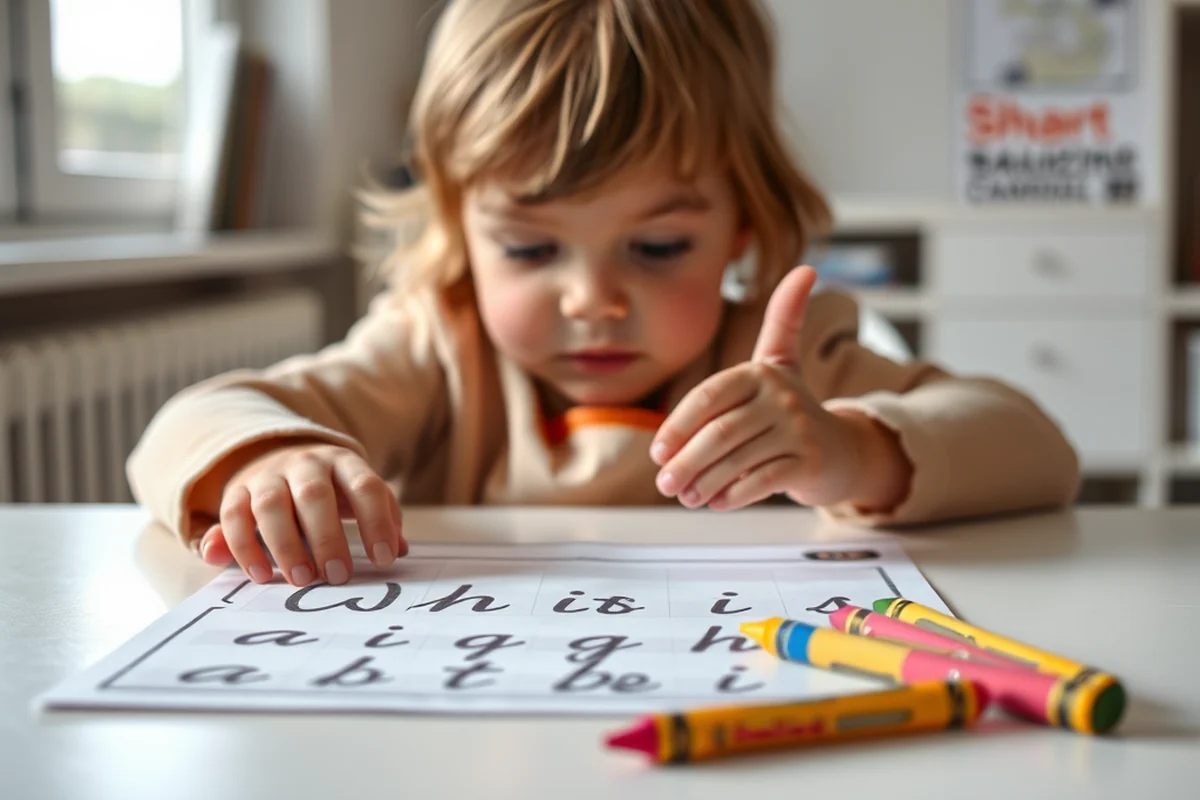
The origins of the calligraphy alphabet can be traced back to ancient civilizations such as the Egyptians, Greeks, and Romans. The Greeks, for example, developed the first alphabet that included both consonants and vowels, which became the foundation for the Latin alphabet. I found it fascinating to learn how these early alphabets were used in religious texts and inscriptions, often written by scribes who practiced meticulous calligraphy.
During the Middle Ages, the calligraphy alphabet became an essential part of religious and academic life. Monks in monasteries copied manuscripts by hand, using elaborate scripts such as the Carolingian and Gothic styles. I remember visiting a medieval manuscript exhibition where I saw a beautifully illuminated page with the letter 'I' surrounded by intricate gold leaf and floral designs. It was a humbling reminder of the skill and devotion required to create such art.
In the modern era, the calligraphy alphabet has been influenced by a variety of artistic movements and technologies. The advent of the printing press in the 15th century, for instance, changed the way letters were produced, but it didn't diminish the importance of calligraphy. Instead, it inspired new styles such as the Italic and Copperplate scripts, which continue to be popular today.
Calligraphy is the art of the hand, and the alphabet is its foundation.
Related: Affordable handwriting practice for beginners
Why Learn the Calligraphy Alphabet?
One of the most immediate benefits of learning the calligraphy alphabet is the improvement of fine motor skills. The repetitive, precise movements required to form each letter help strengthen the small muscles in the hands and fingers. I noticed a significant improvement in my hand control after just a few weeks of practice. It was like a mini workout for my hands, and I felt more confident in other activities that required dexterity.
Beyond the physical benefits, learning the calligraphy alphabet is a form of mental exercise. It requires concentration, patience, and a deep attention to detail. I remember how I used to rush through my practice sessions, but over time, I learned to slow down and focus on each stroke. This mindfulness helped me become more patient in other areas of my life, and it was a welcome change.
There's also a deep sense of satisfaction that comes from mastering the calligraphy alphabet. Each time I completed a new letter or a full sentence, I felt a sense of accomplishment. It was as if I was solving a puzzle, one stroke at a time. That feeling of success kept me motivated to continue learning and improving.
Using a mirror while practicing can help you see your hand movements more clearly, allowing you to correct any awkward strokes or incorrect angles. This technique is especially useful for beginners who are still developing their form and posture.
“There’s a quiet thrill in watching the ink flow smoothly along the paper as you write each letter, the strokes deliberate and purposeful.”— Writeitneat editors
Related: Affordable handwriting practice book
The Tools and Materials You Need to Learn the Calligraphy Alphabet

The most important tool for learning the calligraphy alphabet is the calligraphy pen. There are different types of pens, such as pointed pen, brush pen, and marker pen, each with its own unique characteristics. I started with a pointed pen, which required a lot of practice to master, but it gave me the most control over my strokes. The brush pen was easier to use, but it didn't offer the same level of precision.
In addition to the pen, you'll need paper that is suitable for calligraphy. I found that using watercolor paper or cardstock helped prevent the ink from bleeding through. The right paper is essential for achieving clean, crisp lines and preventing smudges. I remember how frustrated I was when I first tried to write on regular printer paper; the ink bled and the letters looked messy.
Other materials you might need include an inkwell, a pencil for sketching, and a ruler for drawing guidelines. I also found that using a lightbox was helpful for tracing over my work and refining my letter forms. It's surprising how much the right tools can impact your learning experience and the quality of your work.
Related: Natural adult easy handwriting practice
How to Practice the Calligraphy Alphabet Effectively
To practice the calligraphy alphabet effectively, I recommend starting with basic exercises such as practicing individual letters and then moving on to more complex scripts. I found that repeating each letter multiple times helped me develop muscle memory and improve my hand control. It was frustrating at first, but with time, the letters started to look more consistent.[2]
Another effective method is to focus on one style of calligraphy at a time. Trying to learn multiple styles simultaneously can be overwhelming. I spent several weeks practicing the Italic script before moving on to the Copperplate script. This approach helped me build a solid foundation and understand the unique characteristics of each style.
I also found that setting a specific time each day for practice was beneficial. Even 15 minutes a day can make a big difference. I used a timer to keep myself on track and made sure to take breaks if I felt frustrated. Consistency is key when learning the calligraphy alphabet, and I noticed that my progress accelerated with regular practice.[3]
Related: Handwriting practice for beginners
The Benefits of Learning the Calligraphy Alphabet for Children
For children, learning the calligraphy alphabet can be a fun and engaging way to develop fine motor skills. The repetitive movements required to form each letter help strengthen the small muscles in the hands and fingers. I remember watching my younger cousin practice calligraphy, and it was amazing to see how his hand control improved over time. He was initially frustrated, but with practice, he became more confident in his abilities.
In addition to improving motor skills, calligraphy helps children develop concentration and patience. Each letter requires careful attention to detail, which can be a valuable lesson for young learners. I noticed that my cousin became more focused during other activities after he started practicing calligraphy. He learned to take his time and be more deliberate in his actions.
Calligraphy also encourages creativity and self-expression. Children can experiment with different styles and colors, allowing them to express their individuality. I saw my cousin create a unique alphabet using colored inks, and it was a beautiful way for him to showcase his artistic abilities. Learning the calligraphy alphabet is a wonderful way to combine education with creativity.
Calligraphy can turn even the youngest learners into confident artists.
Related: Handwriting practice for kids
Exploring the Different Styles of the Calligraphy Alphabet
One of the most popular styles of the calligraphy alphabet is the Italic script, which is known for its consistent slant and flowing strokes. This style is often used in modern calligraphy and is a great choice for beginners. I tried writing in the Italic script and found it to be both challenging and rewarding. The smooth, continuous strokes required a lot of control, but the results were very satisfying.
Another style is the Copperplate script, which is characterized by its elegant, flowing lines and decorative flourishes. This style is often used in formal invitations and wedding stationery. I found that the Copperplate script required more advanced techniques and a greater level of precision. However, the finished product was incredibly beautiful, and it was worth the effort to master it.
Other styles include the Gothic and Carolingian scripts, which have their own distinct features and historical backgrounds. Exploring these different styles is a great way to learn about the evolution of the calligraphy alphabet and to discover which style resonates with you the most. Each style offers a unique perspective on the art of calligraphy and can inspire new ways of thinking about the alphabet.
🖋️ Beginner's Calligraphy Alphabet
A simplified version of the calligraphy alphabet, perfect for those just starting out. This variation focuses on basic strokes and simple letter forms.
🎨 Modern Calligraphy Alphabet
A contemporary take on the calligraphy alphabet, featuring flowing, elegant letterforms that are widely used in modern design and typography.
📜 Historical Calligraphy Alphabet
A version of the calligraphy alphabet that is based on historical scripts such as the Gothic and Carolingian styles. This variation is ideal for those interested in the cultural and artistic history of the alphabet.
👥 Group Calligraphy Alphabet
A collaborative version of the calligraphy alphabet that encourages group participation and teamwork. This variation is great for workshops and classroom settings.
✨ Creative Calligraphy Alphabet
A fun and artistic version of the calligraphy alphabet that allows for personal expression and experimentation with different colors and styles.
| The mistake | Why it happens | The fix |
|---|---|---|
| Using the wrong type of paper | Using the wrong type of paper can cause the ink to bleed or smudge, making it difficult to achieve clean, crisp lines. | Use paper that is suitable for calligraphy, such as watercolor paper or cardstock, to prevent bleeding and smudging. |
| Rushing through practice sessions | Rushing through practice sessions can lead to poor technique and inconsistent letter forms, which can be frustrating and discouraging. | Take your time and focus on each stroke. Practicing slowly and deliberately can help improve your technique and build confidence. |
| Trying to learn multiple styles at once | Trying to learn multiple styles of the calligraphy alphabet at once can be overwhelming and may lead to confusion and frustration. | Focus on one style at a time. Once you have mastered one style, you can move on to other styles with a solid foundation. |
| Not using the correct pen grip | Using the wrong pen grip can affect your control and precision, making it difficult to form clean, consistent strokes. | Practice using the correct pen grip, which involves holding the pen at an angle and using your fingers to control the flow of ink. |
What Is Calligraphy Alphabet
Common Questions
What is the best way to start learning the calligraphy alphabet?
Do I need special tools to learn the calligraphy alphabet?
How long does it take to master the calligraphy alphabet?
Can children learn the calligraphy alphabet?
References
- Calligraphy | cooperedu - Cooper Union (cooper.edu)
- ED418582 - The World's Writing Systems., 1996 - ERIC (eric.ed.gov)
- Uncovering Calligraphy: Learning the Traditional and Modern Art of ... (glass.hfcc.edu)
- Calligraphy 101 | Downtown Greenway Calendar - Greensboro-nc.gov (greensboro-nc.gov)
- Jim Machacek | Cerritos Library (library.cerritos.gov)
Cite this guide
Writeitneat (2026). What Is Calligraphy Alphabet. https://writeitneat.com/what-is-calligraphy-alphabet/
Feel free to cite or share this guide.