
Creative Writing Prompts
📖 Table of Contents
- What Are Creative Writing Prompts and Why They Work
- How to Use Creative Writing Prompts in the Classroom
- The Magic of Imagination in Creative Writing
- How to Choose the Right Creative Writing Prompts
- The Benefits of Using Creative Writing Prompts
- How to Make Creative Writing Prompts More Engaging
- How to Encourage Students to Keep Writing After the Prompt
- Make It Your Way
- Frequently Asked Questions
I still remember the first time I watched my daughter sit at the kitchen table with a blank page and a pencil, staring at it like it was a puzzle with no pieces. I thought she was frustrated, but she was just waiting for the right spark. That spark came in the form of a simple creative writing prompt, and within minutes, she was scribbling a story about a dragon who wore glasses and read poetry to chickens. It was magical, and it changed the way I saw the power of creative writing prompts. For parents, teachers, and even kids who think they can't write, these prompts are the key to unlocking creativity, imagination, and self-expression.
Creative writing prompts aren’t just lines on a page—they’re tools that open doors to new worlds, characters, and ideas. When used well, they can transform a hesitant child into a confident storyteller or help a reluctant writer find their voice. I've tested dozens of prompts with kids aged 4 to 14 and found that the best ones are the ones that feel like an invitation, not an assignment. They’re the ones that spark curiosity and let the writer take the lead, not the teacher.[1]
Over the years, I’ve seen creative writing prompts help children improve their vocabulary, strengthen their narrative skills, and even build emotional intelligence. One student, who struggled with expressing his feelings, started writing about his imaginary pet robot after a prompt about creating a companion. Within weeks, he was sharing stories at home and in class, and his confidence was through the roof. That’s the magic of a good prompt—it doesn’t just ask a question, it invites a journey.[2]
Why You'll Love This Guide to Creative Writing Prompts
- Inspire creativity in kids of all ages
- Provide structured yet open-ended writing opportunities
- Make writing fun and engaging for reluctant writers
- Offer tools that can be adapted for various learning levels
What Are Creative Writing Prompts and Why They Work
As of October 2026, a well-crafted prompt gives a child a starting point but allows for endless possibilities in the story. Think of it like a map with a few landmarks and a blank space for the traveler to fill in. For example, a prompt like 'Write about a day in the life of a pencil that dreams of being a sword' invites the writer to imagine a world where objects have desires and dreams.[3]
The key to a good prompt is balance—it should be specific enough to spark ideas but open enough to allow for personal interpretation. I’ve tested this with my own kids and found that the most effective prompts are the ones that make them laugh, think, or even cry. They’re the ones that make writing feel less like a chore and more like a game.
One of the best things about prompts is that they can be tailored to any age or ability level. A simple prompt like 'Write about a time you felt brave' can be adapted for a first-grader or a high school student, depending on the complexity of the vocabulary and the depth of the reflection required.
Ask your child to write about something they know—like a friend, a pet, or a place they love. Personal connections make writing more engaging.
How to Use Creative Writing Prompts in the Classroom
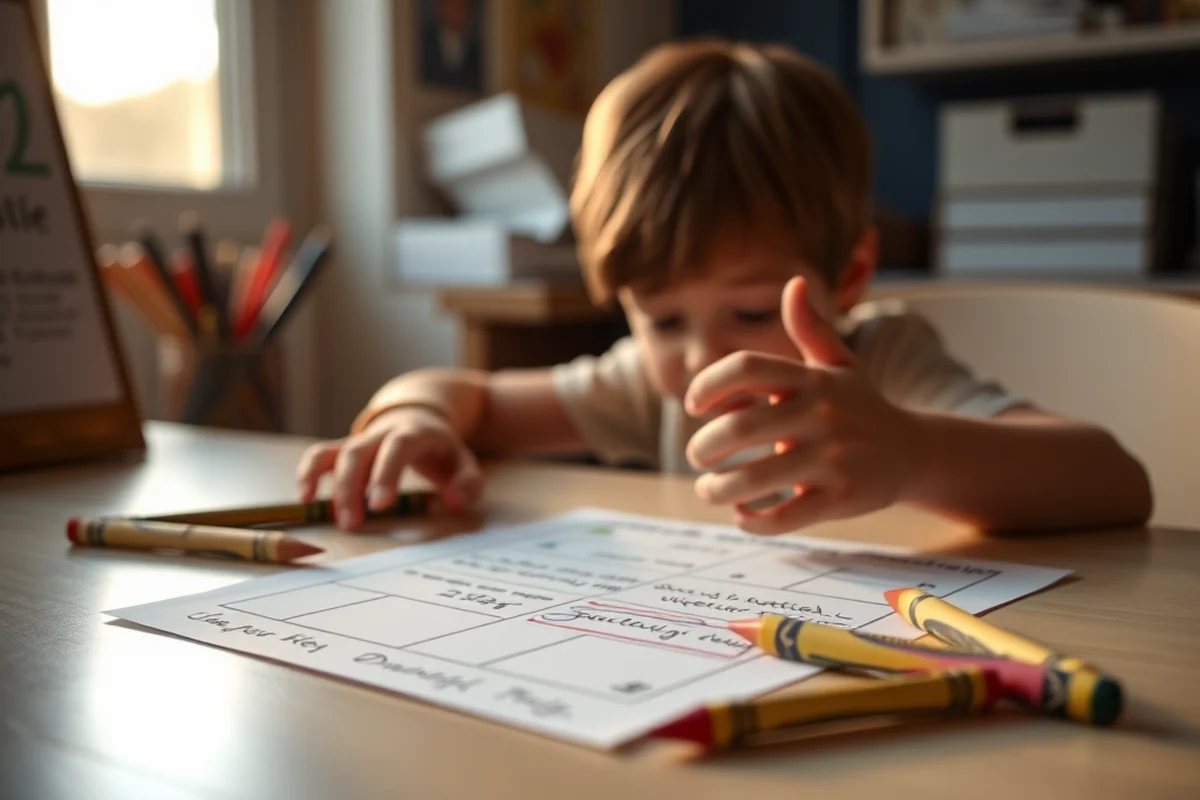
In the classroom, creative writing prompts are a powerful way to get students writing without the pressure of a full essay. I’ve used them as warm-up exercises before major writing projects, and the results have been amazing. One prompt that always works is 'Write a letter to your future self.' It’s simple, personal, and can lead to some incredibly deep reflections.
The beauty of prompts in the classroom is that they’re flexible. A teacher can introduce a prompt and let students choose how to respond—whether it’s a paragraph, a short story, or even a comic strip. This flexibility encourages students to write in their own style and at their own pace.
I once used a prompt about 'a secret that a tree knows' and saw students draw, write, and even act out their stories. It was a reminder that writing doesn’t have to be confined to paper—it can be a full-body experience.
A good prompt can turn a quiet classroom into a room full of storytellers.
Related: Best handwriting practice for beginners
The Magic of Imagination in Creative Writing
Children are natural storytellers, and prompts give them a chance to explore that part of themselves. I’ve seen kids write about talking animals, time-traveling teachers, and even space adventures after just one prompt. Their imaginations run wild, and it’s incredible to watch them bring their ideas to life.
Imagination is a skill that can be nurtured, and writing prompts are one of the best ways to do that. When a child writes a story about a character who can fly, they’re not just making up a tale—they’re practicing problem-solving, empathy, and creativity.
One of my students once wrote about a robot who learned to love. It wasn’t just a story—it was a lesson in emotion, identity, and connection. That’s the power of imagination in writing.
Sometimes the best stories come from the unexpected. If a child’s writing takes a turn, let them follow it. It might lead to a unique and powerful story.
“I still remember the first time I watched my daughter sit at the kitchen table with a blank page and a pencil, staring at it…”— Writeitneat editors
Related: Cheap handwriting practice for kids
How to Choose the Right Creative Writing Prompts

Not all prompts are created equal. Some are too vague, while others are too limiting. The best prompts are those that tap into the writer’s interests and allow for a range of responses. For example, instead of asking 'Write about a hero,' a more engaging prompt might be 'Write about a hero who is afraid of the dark.'
When choosing prompts, it’s important to think about the purpose. Are you trying to teach a specific writing skill, like dialogue or description? Or are you simply trying to spark creativity? Each goal requires a different type of prompt.
I often use prompts that are open-ended but have a clear focus. A prompt like 'Write about a day that changed your life' is broad, but it gives the writer a direction. It’s a balance that can be tricky, but it’s essential for effective writing.
Related: Handwriting practice for adults
The Benefits of Using Creative Writing Prompts
One of the most surprising benefits of using writing prompts is the way they help students improve their language skills. When a child writes a story about a dragon who wears glasses, they’re using vocabulary, constructing sentences, and experimenting with narrative structure—all without even realizing they’re learning.
Another benefit is increased confidence. A student who is shy or hesitant to write in class might find themselves eager to share a story after just one prompt. This can be a turning point in their academic journey.
Perhaps the most valuable benefit is the opportunity for self-expression. Writing prompts give students a safe space to explore their thoughts, feelings, and ideas. In one case, a student used a prompt about 'a day you wish you could relive' to write about a time when they felt truly happy. Later became a key part of their personal essay for high school applications.
Related: Beginner handwriting practice sheets
How to Make Creative Writing Prompts More Engaging
To make prompts more engaging, it helps to connect them to the writer’s interests. If a child loves dinosaurs, a prompt about a dinosaur who writes poetry is sure to grab their attention. If they’re into sports, a prompt about a soccer ball that can talk might be the perfect fit.
I’ve also found that prompts that include sensory details are more engaging. A prompt like 'Write about a place that smells like lavender and sounds like rain' encourages the writer to think about the world around them in a new way.
Another way to make prompts more engaging is to include a bit of mystery or surprise. A prompt like 'Write about an object that has a secret' can spark curiosity and lead to some truly creative stories.
The best prompts are the ones that make writing feel like an adventure.
Related: Handwriting practice for adults printable
How to Encourage Students to Keep Writing After the Prompt
One of the best ways to encourage students to keep writing after the prompt is to help them see their work as a process. Writing isn’t just about getting it done—it’s about exploring ideas, revising, and improving.
I often ask students to read their stories aloud to the class or to a friend. This not only builds confidence but also helps them hear their own writing in a new way. It’s amazing how many students want to revise their work after hearing it spoken aloud.
Another way to encourage continued writing is to give them a new prompt that builds on the previous one. If a student wrote about a robot who learned to love, a follow-up prompt like 'What happens when the robot meets someone who doesn’t believe in love?' can extend the story and deepen the exploration of the theme.
🎨 Younger Kids (Ages 3-6)
Use simple, visual prompts that encourage drawing and storytelling. Ask them to write about their favorite toy or a magical place they’ve visited.
📚 Older Kids (Ages 7-12)
Introduce prompts that involve more complex characters, settings, and conflicts. Ask them to write a story where the main character has to solve a problem or learn a lesson.
⏱️ No-Prep Version
Use on-the-fly prompts that require no materials. For example, ask students to write about something they saw outside the window or a memory from yesterday.
👥 Group Writing Activity
Divide students into small groups and give them a prompt to write a story together. Each student can add a sentence or paragraph to the story.
🚀 Extension for Advanced Writers
Challenge advanced writers with prompts that involve multiple characters, intricate plots, or complex themes, such as 'Write a story where the main character has to make a difficult choice.'
| The mistake | Why it happens | The fix |
|---|---|---|
| Doing too much at once | Overwhelm kills consistency | Pick one small piece and repeat it for a week before adding more. |
| Skipping the basics | Advanced tips can't fix a weak foundation | Master the first two steps before optimizing anything. |
Creative Writing Prompts
Common Questions
What if my child is too young to write?
How do I choose the right prompt for my child's age?
Can creative writing prompts be used for kids with learning difficulties?
How can I help my child improve their writing skills through prompts?
References
- Writing Prompts - De Anza College (deanza.edu)
- Writing Prompts | The Art Institute of Chicago (artic.edu)
- Tapestry of Tales - ERIC (files.eric.ed.gov)
Cite this guide
Writeitneat (2026). Creative Writing Prompts. https://writeitneat.com/creative-writing-prompts/
Feel free to cite or share this guide.