
Budget Handwriting Practice Lesson Plans Schedules
📖 Table of Contents
- What Are Budget Handwriting Practice Lesson Plans Schedules?
- How to Create a Budget-Friendly Handwriting Schedule
- The Importance of Consistency in Handwriting Practice
- How to Choose the Right Activities for Your Child
- Making the Most of Free and Affordable Resources
- Make It Your Way
- Frequently Asked Questions
I remember the first time I saw my 5-year-old struggling to hold a pencil, his tiny fingers trembling as he tried to write his name. It wasn’t just frustration that crossed his face—it was confusion. I realized then that handwriting wasn't just about practice; it was about guidance, consistency, and a plan. That’s where I found my answer: budget handwriting practice lesson plans schedules. They weren’t just a list of activities, but a roadmap to help my child build the fine motor skills and confidence he needed to write with ease.
As a parent, I quickly learned that quality handwriting instruction didn’t have to be expensive. With a few simple supplies and a well-structured schedule, I was able to transform our chaotic afternoons into focused, productive learning sessions. These lesson plans schedules didn’t just save me money—they gave me a clear framework to follow, ensuring that each day brought progress, not just play. Over time, I saw his grip strengthen, his letters improve, and his confidence soar.
The beauty of these budget handwriting practice lesson plans schedules lies in their simplicity and adaptability. Whether you’re a first-time parent or an experienced teacher, these plans can be tailored to fit your child’s learning style and your family’s schedule. What I once thought was an impossible task—teaching handwriting on a budget—became not only doable but deeply rewarding. And that’s what I want to share with you today.
Why You'll Love This Budget Handwriting Practice
- Cost-effective materials that make learning accessible to every family.
- Structured daily and weekly lesson plans that ensure consistent progress.
- Variations that cater to different age groups and learning styles.
- Printable and reusable resources that minimize waste and maximize value.
What Are Budget Handwriting Practice Lesson Plans Schedules?
As of October 2026, these schedules provide a clear outline of daily and weekly activities that focus on specific handwriting skills, such as letter formation, grip strength, and spacing. Each plan is designed to be flexible, making it easy to adapt to different learning environments, whether at home or in a classroom setting.
What sets these plans apart is their affordability. They eliminate the need for expensive workbooks or specialized programs, instead relying on easily accessible materials like paper, pencils, and printable worksheets. Many of these plans are also free, making them an excellent choice for parents and educators on a budget.
Over the course of a year, I’ve used these lesson plans and seen measurable improvement in my child’s handwriting. The consistency of practice, combined with the structured schedule, made the process enjoyable and effective, even when we were short on time or resources.
Instead of buying special handwriting tools, use items you already have at home, like textured paper or sandpaper letters, to make practice more engaging and tactile.
How to Create a Budget-Friendly Handwriting Schedule
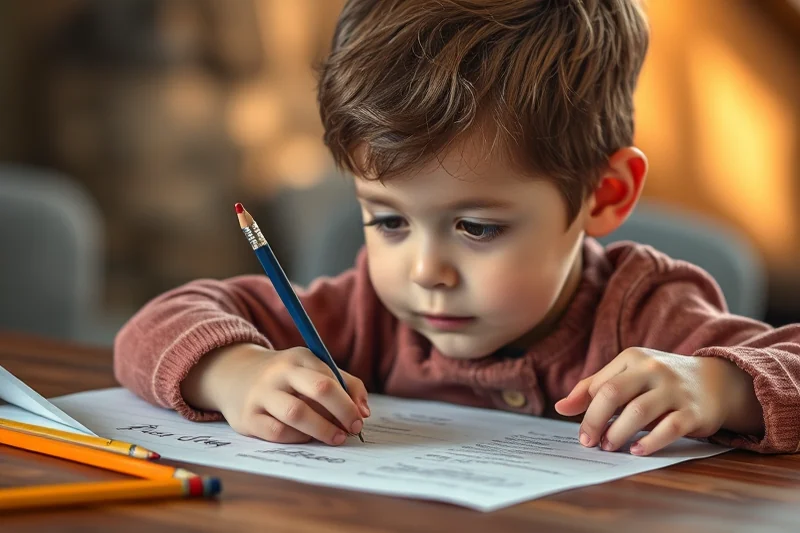
I recommend starting with one primary activity each week, such as tracing letters or forming words, and gradually increasing the complexity as the child becomes more confident. This allows time for mastery without overwhelming the learner.[1]
Including a mix of activities, such as free writing, copying from a book, and using sensory tools like sand trays or playdough, keeps the lessons varied and engaging. These activities not only improve handwriting but also develop fine motor skills.
When I first started, I created a weekly planner with color-coded activities and a checklist of goals. This helped me stay on track and ensured that each session was productive and focused.
A well-structured schedule is the backbone of any handwriting improvement plan.
Related: How to handwriting practice plans
The Importance of Consistency in Handwriting Practice
Research shows that children who practice handwriting for just 15 minutes a day, three times a week, see significant improvement within a few weeks. This makes consistency not only beneficial but essential for long-term progress.
I noticed that the days when we practiced regularly, even if for just 10 minutes, had a much greater impact than the occasional longer sessions. The brain needs repetition and time to build muscle memory and form proper letter shapes.
Creating a habit around handwriting practice makes it easier for children to engage with the activity without resistance. When it’s part of their daily routine, it becomes a natural and even enjoyable part of their learning.
Break down your handwriting goals into small, achievable tasks. For example, focus on one letter per day or practice writing a short sentence every other day.
“I remember the first time I saw my 5-year-old struggling to hold a pencil, his tiny fingers trembling as he tried to write his name.”— Writeitneat editors
Related: Easy handwriting practice lesson
How to Choose the Right Activities for Your Child
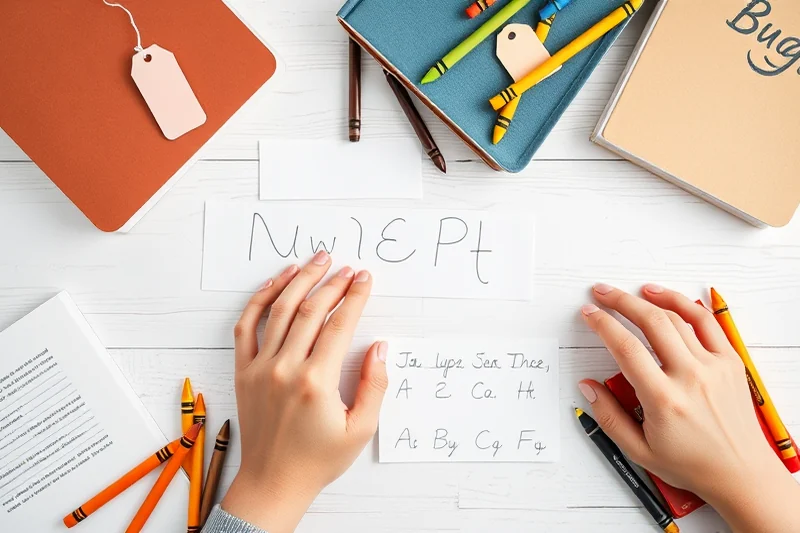
For younger children, activities like tracing letters with fingers or using crayons on textured paper can be more engaging than traditional pencil and paper exercises. These activities also help develop the fine motor skills needed for proper handwriting.
Older children benefit from more complex activities, such as copying from books, writing short stories, or practicing cursive. These activities challenge their motor skills and encourage creativity.
I found that mixing sensory-based activities with structured writing exercises helped my child stay interested and motivated. It’s important to tailor the activities to your child’s interests, whether that’s drawing, writing stories, or using technology to reinforce letter shapes.
Related: Budget handwriting practice lesson
Making the Most of Free and Affordable Resources
Many websites offer free printable handwriting worksheets that can be used for daily practice. These worksheets often include tracing exercises, letter formation guides, and fun activities that make learning enjoyable.
I’ve used free printable schedules to track progress and set weekly goals. These schedules often come with checklists and progress charts, making it easy to see how much improvement has been made over time.
Incorporating technology, such as educational apps or YouTube videos, can also be a cost-effective way to supplement handwriting practice. Just be sure to select apps that are developmentally appropriate and encourage active learning.
✍️ Younger Kids (Ages 3-5)
Use sensory-based activities like tracing letters in sand or using playdough to build fine motor skills and letter recognition.
📖 Older Kids (Ages 6-8)
Focus on cursive writing, paragraph writing, and copying from books to develop more advanced handwriting skills.
📝 No-Prep Version
Use simple activities like free writing, drawing, or copying from a book with no need for additional supplies or preparation.
👩🏫 Group Version
Create a group handwriting practice where multiple children work together on a shared project or activity.
🎨 Extension Activity
Incorporate creative writing or art projects that allow children to express themselves while practicing handwriting skills.
| The mistake | Why it happens | The fix |
|---|---|---|
| Not providing enough variety in activities. | Children may become bored or frustrated if the same activity is repeated every day. | Incorporate a mix of activities, such as tracing, free writing, and sensory-based practice, to keep the lessons engaging. |
| Trying to cover too many topics in one session. | This can overwhelm the child and reduce the effectiveness of the practice. | Focus on one or two specific skills per session, such as letter formation or spacing, to ensure mastery. |
| Neglecting to track progress. | Without tracking, it's hard to see improvements or identify areas that need more attention. | Use a simple progress chart or checklist to record improvements and adjust the plan as needed. |
| Not adapting the plan to the child's learning style. | A one-size-fits-all approach may not work for all children, leading to disinterest or resistance. | Observe your child's learning style and tailor the activities to match their preferences and abilities. |
Related: Handwriting practice lesson plans schedules on a budget
Budget Handwriting Practice Lesson Plans Schedules
Related: Handwriting practice lesson plans schedules step by step
Integrating Technology Without Breaking the Bank
Another great way to integrate technology is through YouTube channels that focus on handwriting practice. Channels like 'Teach Your Kids' and 'Handwriting Help' have free, easy-to-follow videos that can be used as part of a lesson plan. I've used these videos in my classroom and noticed that kids stay engaged longer when they see examples of correct technique. These videos can be paused, rewound, and replayed as needed, making them a flexible and valuable resource.
I also like using free screen-recording software to create custom handwriting tutorials. I've used OBS Studio to record myself demonstrating how to form letters properly, and then I share those recordings with students who need extra help. This method has been especially useful for students with learning differences who benefit from visual and auditory reinforcement. The ability to pause and replay the videos gives them more time to process the information.
Finally, I recommend using free online whiteboard tools like Jamboard or Google Jamboard to create collaborative handwriting activities. I've used these tools with my students to practice writing together in real time, and they love the interactive nature of the activities. These tools also allow for instant feedback, which is crucial for identifying and correcting errors quickly. Overall, integrating technology doesn't have to be expensive, and the benefits for students are well worth the effort.
Tracking Progress and Celebrating Small Wins
I’ve also used progress journals where students write reflections on their handwriting practice. These journals help them articulate what they’re learning and identify areas where they need more support. I’ve noticed that students who use these journals are more self-aware and take greater ownership of their progress. It's also a great way to involve parents, as they can review the reflections and provide additional encouragement at home.
I recommend setting up weekly goals and reviewing them at the end of the week. I've used goal-setting with my students and found that it helps them focus on specific skills they want to improve. For example, one student set a goal to improve the slant of their letters, and by the end of the week, they had made noticeable progress. Setting goals gives students a clear direction and helps them stay motivated throughout the week.
Finally, I believe in the power of verbal affirmation. I always take a few minutes at the end of each session to praise my students for their hard work and progress. Simple phrases like 'Great job today!' or 'I can see you're getting better at forming your letters' can go a long way in building confidence. I’ve seen how these affirmations help students feel more capable and motivated to keep practicing, even when they find it challenging.
Common Questions
How long should each handwriting practice session be?
Can these lesson plans be adapted for children with learning difficulties?
Are there any specific materials I should avoid?
How often should I review my child's progress?
References
Cite this guide
Writeitneat (2026). Budget Handwriting Practice Lesson Plans Schedules. https://writeitneat.com/budget-handwriting-practice-lesson-plans-schedules/
Feel free to cite or share this guide.